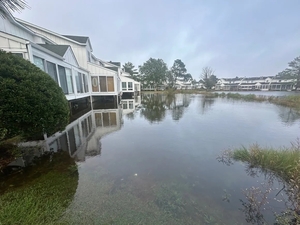
Trump dumps greenhouse gas ‘endangerment finding’ amid dire climate warnings
Feb 12, 2026 | 5:43 pm ET
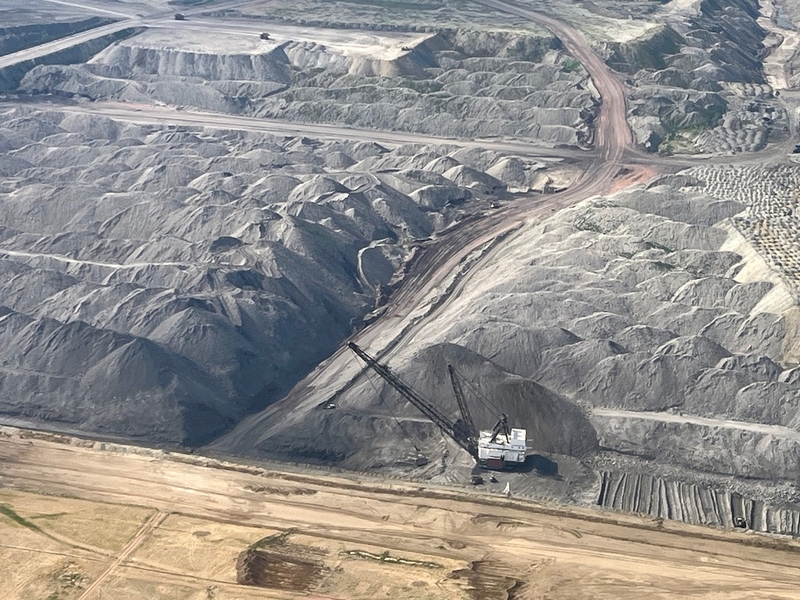
Description
Photo courtesy of WyoFile
The Trump administration today declared the United States will no longer limit greenhouse gas emissions, striking down the landmark 2009 “endangerment finding” doctrine that legally obliged federal agencies to regulate vehicle and industrial releases of planet-warming gases.
U.S. Environmental Protection Agency Administrator Lee Zeldin announced the move today, saying it is the “single largest deregulatory action in U.S. history.”
“The endangerment finding has been the source of 16 years of consumer choice restrictions and trillions of dollars in hidden costs for Americans,” Zeldin said in a prepared statement. “Referred to by some as the ‘Holy Grail’ of the ‘climate change religion,’ the endangerment finding is now eliminated.”
Zeldin also took to social media to declare, “President Trump has ENDED the ‘Green New Scam.'”
While the EPA’s announcement focused on removing federal vehicle emission standards, the agency alluded to how eliminating the endangerment finding sets the stage to eliminate all federal greenhouse gas regulations, including climate policies imposed by the Obama and Biden administrations.
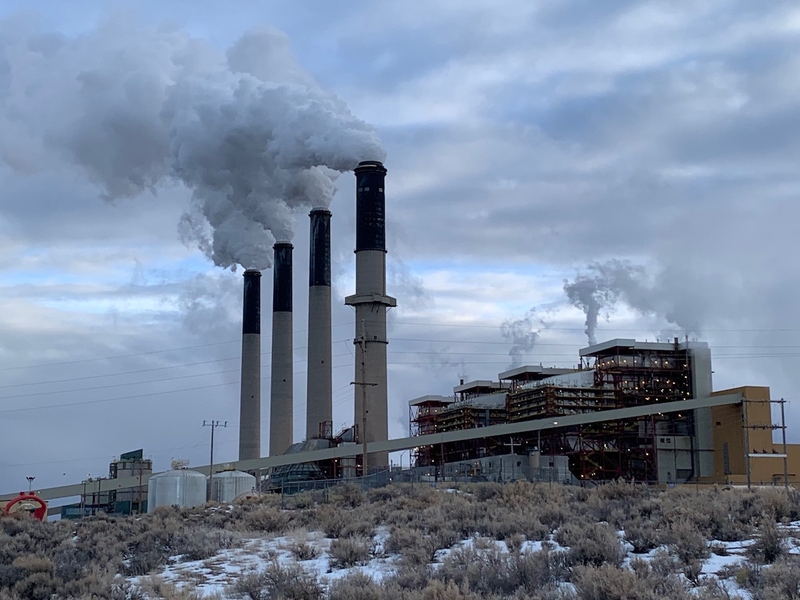
Essentially, removing the endangerment finding revokes the federal government’s legal foundation to regulate climate pollution. Not only does it erase vehicle tailpipe standards, but it also applies to coal smokestacks and other industrial emissions of carbon dioxide, methane and other planet-warming gases.
The Sierra Club, among others, promised to challenge the action in court.
“We refuse to let this dangerous decision go,” the organization said in a prepared statement. “Climate change is already upending millions of lives, and now the EPA and President Trump are telling us to ignore the reality we are all seeing with our own eyes so that big polluting industries can get richer.”
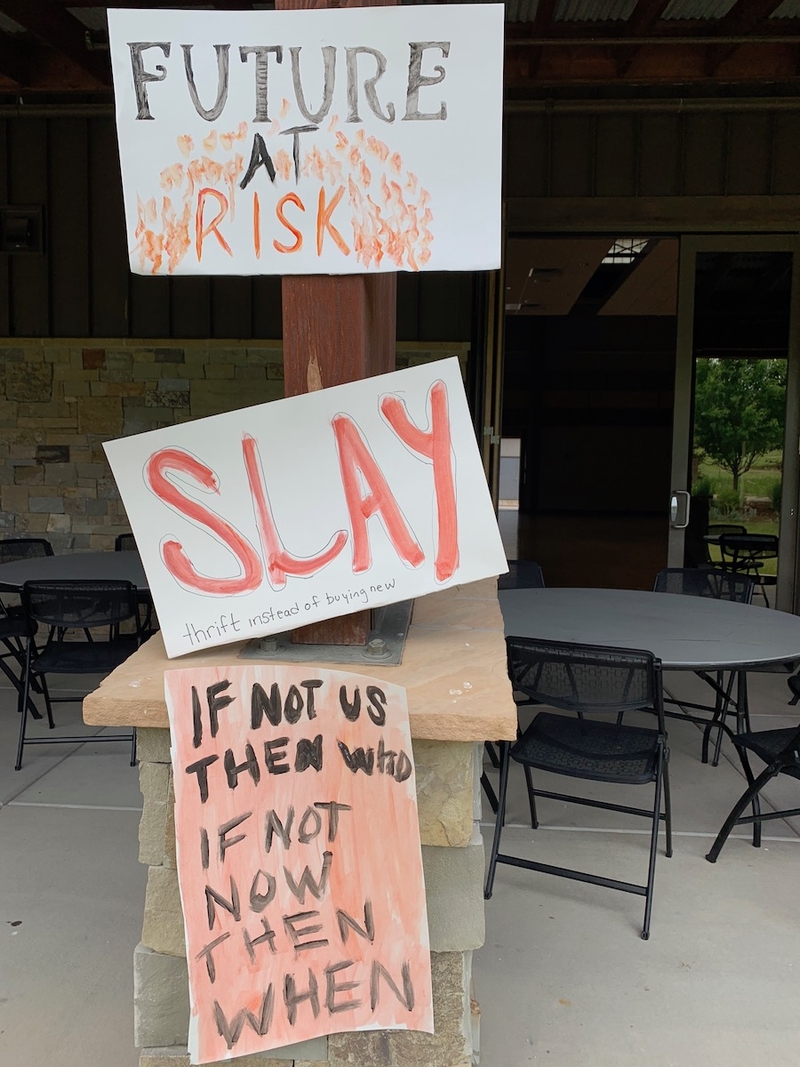
The past 11 years have been the hottest on record, according to the World Meteorological Organization — which is not lost on Wyomingites.
The vast majority of residents — 86% — “believe that climate change is happening,” according to last year’s Wyoming Survey on Climate, Water, and People. The primary concern in the notoriously arid state, according to the survey, is what it means for the future availability of water.
Wyoming’s congressional delegation was quick to applaud the EPA’s action.
“The endangerment finding was based on political expediency — not scientific standards,” Sen. John Barrasso posted on social media. “The Biden and Obama administrations routinely abused this finding as an excuse to roll out red tape that destroyed jobs across America.”
“I’m thrilled [Trump and Zeldin] are rescinding the imbecilic Obama-era rule used to expand federal overreach,” Sen. Cynthia Lummis posted on social media. “It never received proper congressional debate or approval, yet fueled a decades-long campaign against our fossil fuel industry in the name of climate change.”
Gov. Mark Gordon, who in September acknowledged that the Trump administration’s rollback on coal emission regulations would result in “more CO2 production,” said he welcomed the EPA’s move because Wyoming’s fossil fuel industry was under constant “attack” from the Obama and Biden administrations.
“The prime weapon of choice was the EPA endangerment finding, which was used as a basis for many of those attacks,” Gordon said in a statement Thursday. “The long-awaited and much needed disposal of this blatant power grab is a welcome development.
“The unreasonable federal regulations, which were based on this finding and detrimental to the fossil fuel industry,” Gordon continued, “will no longer be used to harm Wyoming’s industries and the communities that rely on them.”
Trump also signed an executive order Wednesday, directing the Pentagon to strike contracts with coal-based power utilities to power military bases.
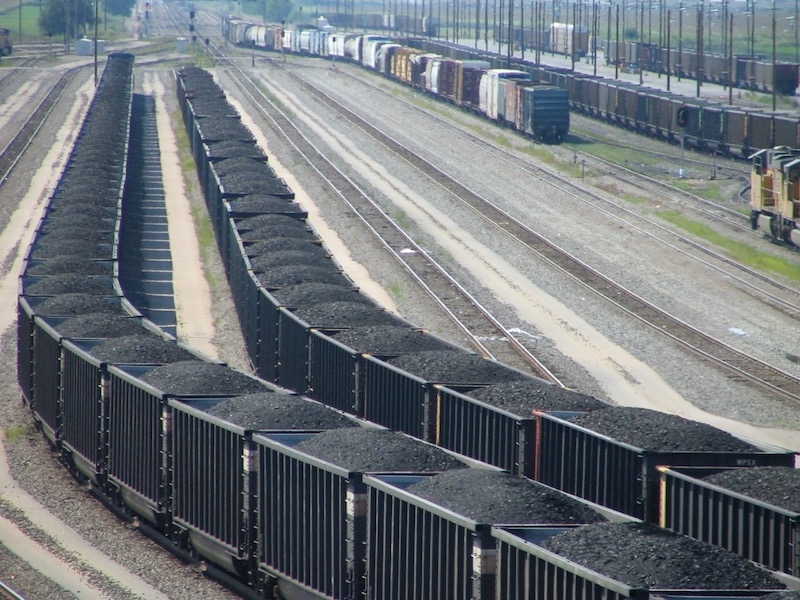
“Coal generation ensures that military installations, command centers and defense-industrial bases remain fully powered under all conditions — including natural disasters, or wartime contingencies,” the order states. “Maintaining this capability is a matter of national security, strategic deterrence and American energy dominance.”
Rep. Harriet Hageman this week said she’s crafting a bill to block climate-based lawsuits against fossil fuel companies, saying they could “destroy energy affordability for consumers.”
Hageman received boos at a town hall meeting last year in Pinedale when she proclaimed, “The endangerment finding is absolutely based upon false science.” The community has struggled with air quality over the past 20 years, beginning with a massive natural gas development that coincided with alarming ozone levels.
Wyoming, as the nation’s largest coal producer, has much at stake. The coal industry’s dramatic 15-year decline has cut Wyoming production by nearly half as utilities retired and dialed back electrical generation at aging power plants, shifted to natural gas-fired electric generation and increasingly used price-competitive wind and solar energy.
The last two coal-burning units at the Naughton power plant near Kemmerer went dark in January, allowing crews to retool them to burn natural gas instead. The power plant’s majority owner and operator, Rocky Mountain Power, determined that a $12.1 million expenditure to convert the two remaining coal units “was the least-cost, least-risk option for the company and its customers.”
Reached by phone Thursday afternoon, EPA Region 8 Administrator and former Sheridan County lawmaker Cyrus Western reiterated that the agency’s action this week directly addresses nonpoint sources like vehicle tailpipes. Zeldin, he said, is working on reformations to the Clean Power Plan that will come this spring.

The Obama and Biden administrations, Western insisted, wrongfully pointed to the endangerment finding to enact climate policies that were not prescribed by Congress. Coal companies and all businesses, he said, can be assured that EPA will no longer act beyond the direction of Congress.
“[Zeldin] and the president squarely believe that if agencies are going to engage in some regulatory action, they need to be explicitly instructed to do so by Congress,” said Western. “If Congress wants us to regulate these things, they need to go through the formal process, pass the bill, have it signed by the President, and then we will react and regulate accordingly.”
Asked whether he is concerned about climate change and climate ramifications of EPA’s action, Western instead talked about other pollutants.
“This doesn’t automatically mean that the air is going to be dirtier. That is absolutely not the case,” Western said. The EPA will continue to enforce Clean Air Act regulations for pollutants such as particulate matter, metals and ozone, he said. “For all those things, we are absolutely still enforcing them to ensure that Americans can have the clean air they deserve.”
Cheyenne, WY