Sussex HOA, resident settle lawsuit over flooding and speech
May 21, 2026 | 6:00 am ET
Description
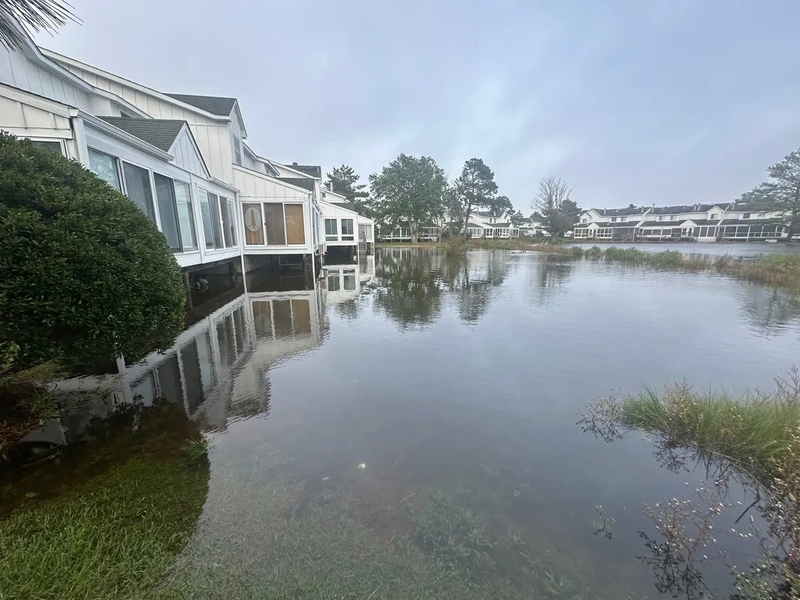
Photo courtesy of Spotlight Delaware
Why Should Delaware Care?
With the lowest average elevation in the country, Delaware is in line to be among the most impacted states by sea-level rise. Coastal communities are at the forefront of those flood risks, and homeowners there will be faced with increasing questions of how much flood resiliency is needed.
A Sussex County condominium board has settled a lawsuit against a former resident who had publicly sought out ways to protect her low-lying community from floods.
The dispute, which highlighted the growing tensions in Delaware’s coastal communities grappling with sea-level rise, began after Simone Reba created a website and spoke at public meetings about what she said were the flood risks facing her Mallard Lakes community.
The condominium board filed a lawsuit in the Delaware Court of Chancery last fall, asking a judge for an injunction that would gag Reba from asking public officials for money or other support for flood repairs or resiliency measures for the coastal development.
The board argued that Reba had no right to act as a formal representative of the community or of the board, which is responsible for the community’s shared resources.
But Reba’s attorney, Daniel McAllister, claimed the lawsuit was an attempt to limit her “participation in the political process and stifle her First Amendment rights.”

The lawsuit could have served as an early test of a new state law designed to protect people from lawsuits they claim are meant to silence public speech. But, earlier this month, the parties reached a confidential settlement that dismissed the case.
The settlement followed Reba and her husband’s sale of their Mallard Lakes condo in April. They purchased a new vacation home in another community nearby.
When reached for comment, Reba said in an email that she continues “to believe in the importance of homeowners being able to communicate with their government officials on public matters and to participate in discussions involving issues that affect their communities.”
Board Vice President Chris Reutershan did not respond to requests for comment.
Reba’s former vacation home is one of 11 in one building on the 61-acre complex that is Mallard Lakes. The community nestled to the west of Fenwick Island, along the northside of Route 54, includes multiple buildings, some of which are slightly elevated to allow water to pass beneath them. The community includes 47 buildings with 477 condominium units sitting mostly within a floodplain surrounded by natural and manmade waterways.
The association’s claims against Reba focused heavily on comments she made during one Sussex County Council meeting in July 2025, as well as other communications with state and elected officials, and a non-association-affiliated website she uses to publish the information she’s collected about the community’s flood vulnerabilities in a changing climate.
The board claimed “misinformation” on the website could impact property values, while Reba’s attempts to seek funding or other resources for the community amounted to “fraud” and misrepresentation. According to the community’s bylaws, no individual homeowner is permitted to act on behalf of the community as a whole or make alterations to shared resources such as the buildings’ exteriors.
Reba said she never misrepresented herself, and her attorney defended her right to free speech and public participation by filing a counterclaim based on the Uniform Public Expression Protection Act passed by state lawmakers last year to further protect free speech in the First State.
She said her independent website will remain up as a resource for community members, even though she and her husband no longer own a condo in Mallard Lakes.
Regardless of this legal battle’s resolution, the case highlights key challenges that rising tides present to Delaware’s coastal communities and homeowners: What is their future vulnerability and preparedness, and who is ultimately responsible for addressing — and paying for — those problems or solutions when floodwaters do arrive?
The condo association says no major damage has occurred in the community since Superstorm Sandy.
Still, Delaware is the lowest-lying state in the United States, and sea levels are expected to continue to rise.
According to State Climatologist Kevin Brinson, sea level as measured nearby in Lewes has risen about 7.25 inches since the community was built in the late 1980s and early 1990s. Based on current trends, which show that sea level rise is accelerating, the area is expected to see that same amount of sea level rise in a shorter timeframe, he told Spotlight Delaware earlier this year.
“In other words, another 7.25 inches by 2040,” Brinson said.
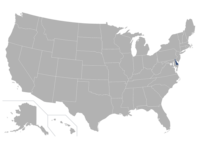
Dover