Alaska Legislature approves wide-ranging crime bill package
May 20, 2026 | 6:50 pm ET
Description
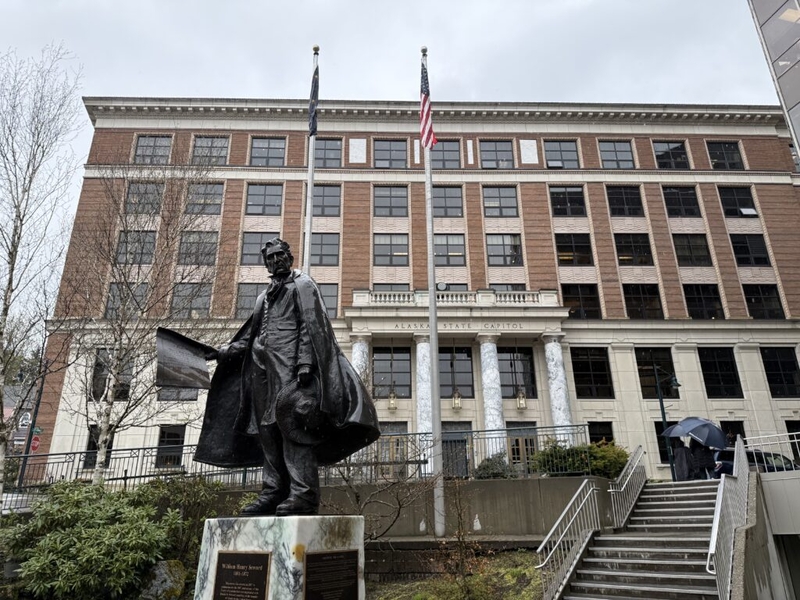
The Alaska State Capitol is seen on the last day of the legislative session on May 20, 2026. (Photo by Claire Stremple/Alaska Beacon)
The Alaska Legislature approved a broad omnibus crime bill that will increase criminal penalties for a variety of offenses and streamline victims services. The bill includes over a dozen pieces of legislation and garnered bipartisan support.
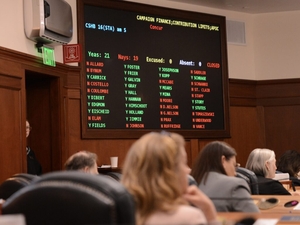
The Alaska Senate unanimously passed House Bill 239 on Tuesday, after assembling the combination bill package over the last several weeks. Lawmakers in the House concurred with the Senate’s changes by a vote of 39 to 1 on Wednesday morning. It now advances to Gov. Mike Dunleavy for consideration.
The omnibus crime bill includes provisions to create stricter criminal penalties for AI-generated child sexual abuse material, hit-and-run incidents and sexual assault by a healthcare worker. It also raises the age of consent from 16 to 18 years old and restructures the Alaska Board of Parole, among other items.
Sen. James Kauffman, R-Anchorage, spoke in support of the omnibus bill on Tuesday. “We hear of sausage-making in the legislative process — this is a big piece of sausage,” he said. “And having seen it in Senate Finance, I was impressed with the content, the quality of how so many things came together, and it came together so well.”
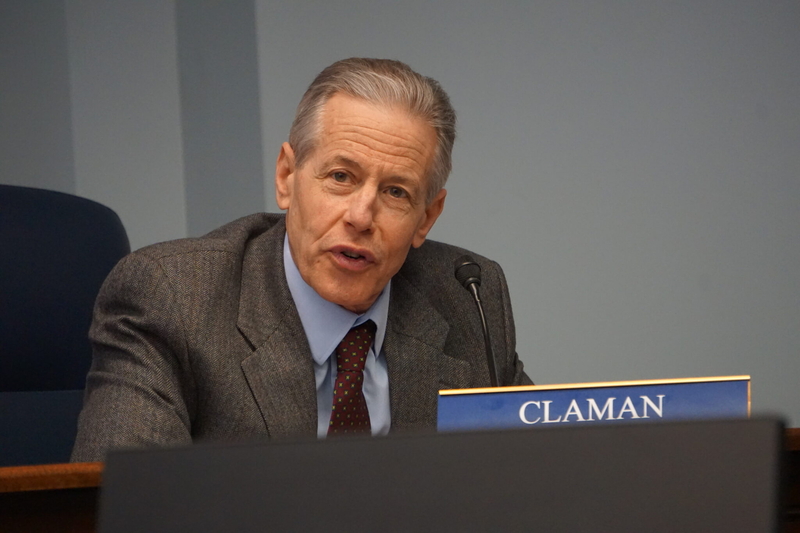
Sen. Matt Claman, D-Anchorage, who chairs the Senate Judiciary Committee, carried the omnibus bill in the Senate. He noted that the state will carry some fixed and indeterminate costs for enacting the changes across several state departments, but said it’s worth the price tag to protect public safety and improve protections for victims.
“Changing the statutes is not enough. Sometimes it calls on us to have more prosecutors, more police and more people in the field to actually enforce these crimes,” he said on the Senate floor.
“I hear consistently from the public, when we look at these public safety measures, is ‘Who’s going to be there to enforce these laws?’ This is an example in which the fiscal notes reflect that this bill will cost money, but the public really believes in it, and they want these measures to take place, and they want our public safety professionals to go and do the things they need to enforce these laws,” he said.
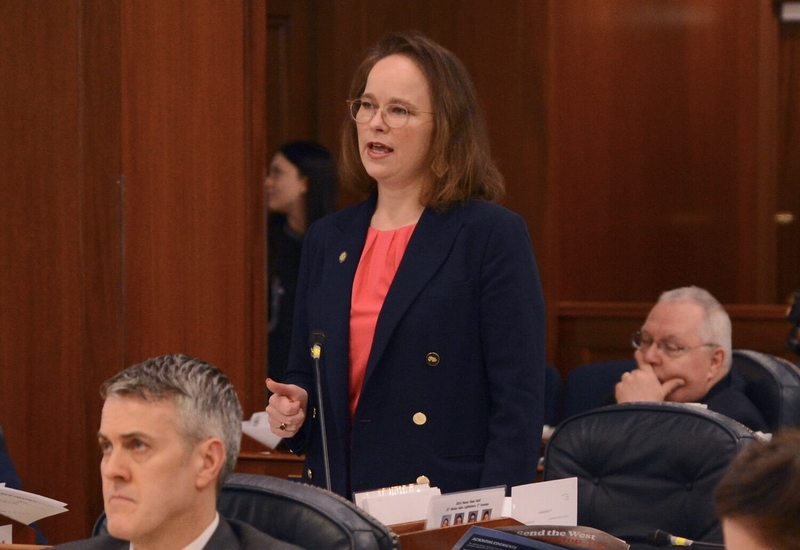
Rep. Sarah Vance, R-Homer, sponsored the bill to enact state criminal penalties for AI-generated child sexual abuse material, and spoke in support ahead of the vote. She spoke in favor of concurrence on Wednesday morning.
“There’s a couple of windows that I would like tighter, however we have to get agreement with every region of the state. And I think this bill does that. This bill prioritizes justice. And this is justice for all of those who have not had a voice,” she said.
Some members of the House all-Republican minority caucus raised concerns at the number of bills included in the omnibus bill and the need for more public discussion and hearing on the individual bills. But Rep. Andy Josephson, D-Anchorage, argued that hearing each bill would take legislators hundreds of hours and an omnibus bill was the best way to pass and enact needed criminal policy changes.
Rep Andrew Gray, D-Anchorage, backed a bill to raise the age of consent from 16 to 18 years old, aimed at prosecuting sexual violence against 16 and 17 year olds. “For years we were collaborating on this, whether we knew we were collaborating or not,” he said on Wednesday on the omnibus crime bill.
“We have the highest rate of sexual assault in the country, and the majority of victims being young. Being younger is a risk factor,” he said. “What we are doing today is telling predators that 16 and 17 year olds are off limits.”
The omnibus crime bill now includes:
- House Bill 239 — would increase criminal penalties for hit and run incidents by drivers that cause a death and knowingly fail to stop and render assistance, and it establishes mandatory sentencing of four to seven years for a first hit and run felony conviction.
- House Bill 101 — would raise the age of consent from 16 to 18 years old, with provisions to allow minors to consent to sex with someone up to six years older than them. The draft bill also allows 16 and 17 year olds to consensually exchange sexual or explicit messages within the six year close-in-age gap without penalties.
- Senate Bill 247 — would create state criminal penalties for creating AI-generated child sexual abuse images or videos that depict sexually explicit or obscene content involving anyone under 18 years old.
- House Bill 62 — would establish a statewide tracking system for sexual assault examination kits, expedite processing times and ensure that survivors can privately monitor the status of their own kit. The bill was sponsored by the governor.
- Senate Bill 100 — would establish the crime of organized theft, including mail theft and medical record theft.
- House Bill 242 — would redefine criminal law to prohibit any sexual contact or assault by a healthcare worker during professional treatment, a change to the current law that only applies to patients being unaware of sexual contact or assault for criminal charges to apply.
- Senate Bill 17 — would establish the crime of airbag fraud for knowingly selling, installing or manufacturing a counterfeit airbag in a vehicle.
- House Bill 81 — would establish that minor marijuana related convictions remain confidential on individuals’ personal records, under certain criteria.
- House Bill 384 — would expand confidentiality agreements between victims and service providers by updating the definition of “victim counseling center” to include tribal organizations.
- Senate Bill 233 — would reassign the administration of the Controlled Substances Advisory Committee from the Department of Law to the Department of Commerce, Community and Economic Development.
Changes to the Board of Parole
The provision to restructure the Alaska Board of Parole was originally introduced by Sen. Löki Tobin, D-Anchorage, as Senate Bill 62 last year. The provision expands the Board of Parole from five to seven members, enacts term limits of no more than two five-year terms and implements new criteria for board seats.
The Board of Parole is appointed by the governor, and is charged with reviewing applications and eligibility for parole, for which there were 199 applicants last year. Advocates and lawmakers have raised concerns around Alaska’s parole approval rates dropping significantly in recent years — to some of the lowest rates in the nation.
Tobin and proponents of the changes to the parole board said the board’s workload was a reason to expand the board and said the added criteria for the board seats is important for fairness and accountability to those under review for parole.
The new criteria for board seats would require that one member be a licensed physician, psychologist or psychiatrist, one member have experience in the field of criminal justice, one member have experience in providing drug or alcohol addiction recovery support or who has personal experience with addiction, and one member of a federally recognized tribe in the state.
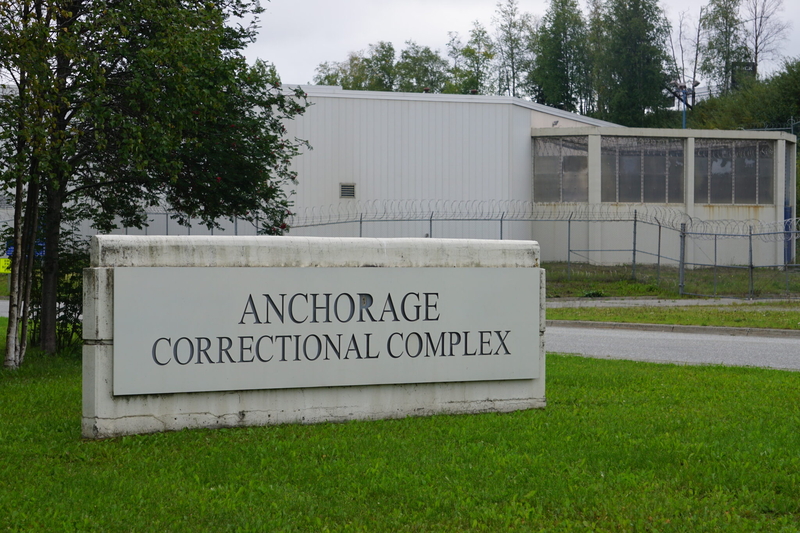
Senators also added criteria for parole eligibility so that parole board members consider an applicant’s age at the time of offense.
While the officials with the Alaska Department of Corrections have said rising costs across the prison system are in part due to an aging population and increasing medical needs, the Board of Parole has not granted anyone geriatric or medical parole in the last five years, according to state data.
Senators included a new provision to allow the corrections commissioner to authorize medical parole of a prisoner, with electronic monitoring, if that prisoner has a terminal, permanent or progressively degenerative disease and is deemed to not pose a threat to public safety. Senators also included legislation introduced last year, Senate Bill 31, to establish an address confidentiality program to help protect victims of domestic violence or stalking and police or correctional officers and their families. Individuals enrolled in the program will have their mail forwarded to a designated post office box to help keep their home address private.
Juneau