HMSA Delays The Change Threatening Patient Access After Governor Steps In
Jun 09, 2026 | 6:01 am ET
Description
Photo courtesy of Honolulu Civil Beat
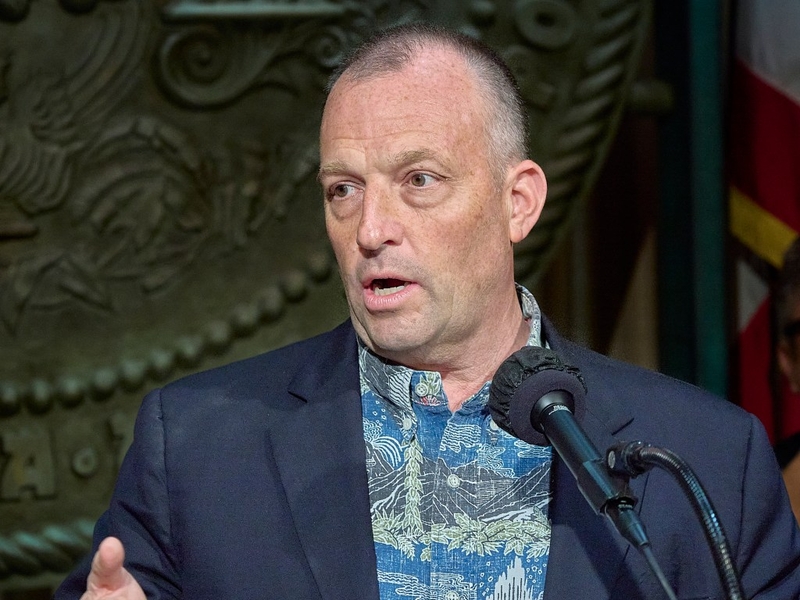
Hawaiʻi’s largest health insurer is giving primary care doctors more time to adapt to a dramatically different reimbursement model that doctors say threatens their ability to keep their doors open after Gov. Josh Green intervened.
The decision to delay the changes until January marks a victory — or at least a reprieve — for Hawaiʻi physicians on the front lines of Hawaiʻi’s healthcare system and patients, who increasingly face challenges finding doctors.
HMSA’s decision to change course came after doctors protested the insurance giant’s announcement in May that it was giving primary care doctors 60 days to adapt to a major shift in the way HMSA reimburses them for treating patients. HMSA insures about 760,000 residents, and many doctors said the shift was so abrupt, they didn’t know how they could keep the lights on.
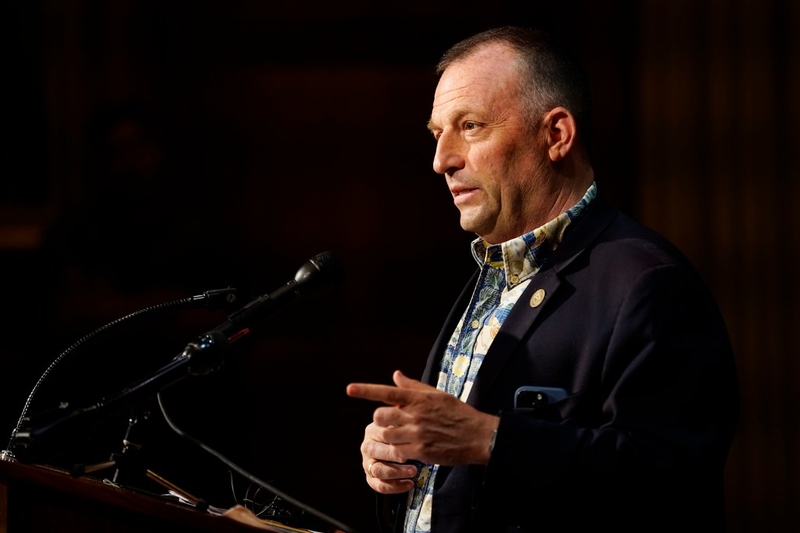
Green, who is a medical doctor, commended his fellow doctors for speaking out publicly about their concerns. He said many had called him on his cellphone asking him to do something. Others contacted the media.
“I’m very proud of them,” Green said. “These are my old colleagues, and I’m grateful that they are so engaged. It’s good that they spoke out.”
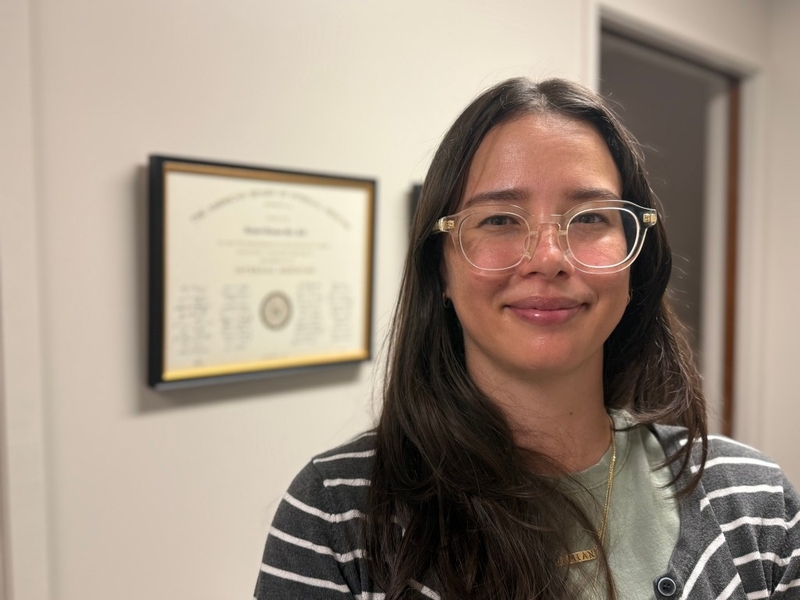
Among those who criticized the change was Dr. Katie Min of Honolulu, who runs a primary care practice that’s been in her family for three generations.
“It’s very helpful,” Min said of the delay. “I still disagree with the change, but this does give me more time to prepare for it.”
HMSA also said it appreciated Green’s involvement.
“We’ve heard the concerns raised by physicians and state leaders, and we are making this adjustment because we understand primary care is essential to Hawaiʻi’s health care system,” said Dr. Mark M. Mugiishi, HMSA’s chief executive, in a statement announcing the delayed rollout. “Our goal is to support physicians, protect continuity of care for our members, and make sure this transition is implemented in a responsible way.”
The announcement comes at a critical time for health care in Hawaiʻi. At HMSA, claims have been exceeding revenue from premiums paid by employers and patient co-payments, leading the insurer to dip into investment income to stay in the black. Meanwhile, major providers, including the hospital giant Hawaiʻi Pacific Health, have begun facing losses due to rising healthcare costs.
At the same time, patients find it increasingly difficult to find primary care doctors, as some retire or leave Hawaiʻi and others switch to direct primary care or concierge models that increase costs for patients.
In response HMSA and Hawaiʻi Pacific Health have proposed a deal to create a new, vertically integrated system called One Health Hawaiʻi. Although led by HMSA and Hawaiʻi Pacific Health, the new system is designed to be open to all providers, which would make it different from Kaiser Permanente’s closed organization. That One Health proposal still faces regulatory approval by federal and state officials.
Green has remained neutral about One Health, which is being vetted by his State Health Planning and Development Agency. But the governor said he saw the need to intervene about HMSA’s payment model.
“I felt it was the right time to step in on this,” Green said.
Payment Change Raises Question
Even with its extended deadline for doctors to comply, HMSA’s change in its payment model presents a question concerning One Health’s public messaging about its future payment model: One Health proponents have specifically said the organization plans to use HMSA's current payment model, the same one HMSA has announced it will abandon.
HMSA established its current payment model nearly a decade ago. Under it, the insurer pays providers a fixed amount per month for each patient under the doctor’s care, typically around $20 to $40. The amount is the same no matter how many times the patient visits, like a monthly allowance. Doctors also can receive bonuses for reaching certain performance milestones, like making sure patients get regular mammograms and colonoscopies, sometimes called "value-based care."
Some doctors have expressed frustration with the monthly-allowance payment model, which has required them to generally maintain a roster of 1,500 to 2,000 patients to make ends meet.
Still, they adapted to the model and now they are being asked to adapt again. On May 1, HMSA announced it was switching back to a traditional fee-for-service model, with bonuses for meeting performance milestones.
The insurer said it needed to make the change for various reasons. Access to primary care doctors has declined since the Covid-19 pandemic, leading patients to seek treatment in more expensive emergency rooms and urgent care clinics, HMSA has said, and the allowance-based payment model has produced data gaps that make it hard for the insurer to track outcomes and deal with regulatory compliance issues.
Regardless of the reasons, that was the adjustment the insurer gave primary care doctors until July to make, leading many to say they couldn’t deal with such an enormous change that quickly. Now they have six extra months.
But Hawaiʻi Pacific Health chief executive Ray Vara has said the monthly-allowance payment model, known as capitation in healthcare parlance, has been working so well for Hawaiʻi Pacific Health that One Health would expand the model broadly to include all providers affiliated with the organization.
That means doctors would presumably be required to switch back to capitation if the One Health deal goes through.
On The Same Page?
On Monday, Mugiishi told Civil Beat that HMSA remains committed to One Health using a value-based care model involving monthly-allowance payments for all of its doctors, not just primary care doctors. However, he said, HMSA does need to go back to the fee-for-service model for a while to better track what treatments primary care doctors are doing and the outcomes of those treatments.
Additionally, Mugiishi said, HMSA was not able to confer with Hawaiʻi Pacific Health before announcing the change to fee for service, because the U.S. Department of Justice could have viewed that as an improper, "gun-jumping" collaboration before the One Health deal is approved.
Green said he understood that there's a perceived discrepancy between One Health’s message and HMSA’s action. He's withholding judgment on the One Health proposal, but said it’s important to make sure the parties “are on the same page.”
Mugiishi said that is generally already the case.
"We are on the same page when it comes to value-based care," he said. "On this particular pivot, I don't know."
For their part, providers are waiting to see what’s next. Kaleo Correa, a nurse practitioner who runs Waimea Primary Care on Hawaiʻi island, commended HMSA’s change of heart on the deadline it’s imposing on providers.
“We won the battle, but we haven’t won the war yet,” said Correa, who said she and a group of doctors have been in talks with Honolulu attorney Eric Seitz about taking legal action to block the change. “So we’re going to keep fighting.”
Seitz commended Green for stepping in and HMSA for extending the deadline. But he said more work needs to be done to help doctors.
“I appreciate that HMSA has taken this action to avoid the need for us to take action through litigation,” Seitz said. “However, there are still challenges facing doctors that we need to address.”
Honolulu, HI