Virginia officials urge hurricane preparedness as 2026 storm season begins
Jun 03, 2026 | 2:11 pm ET
Description
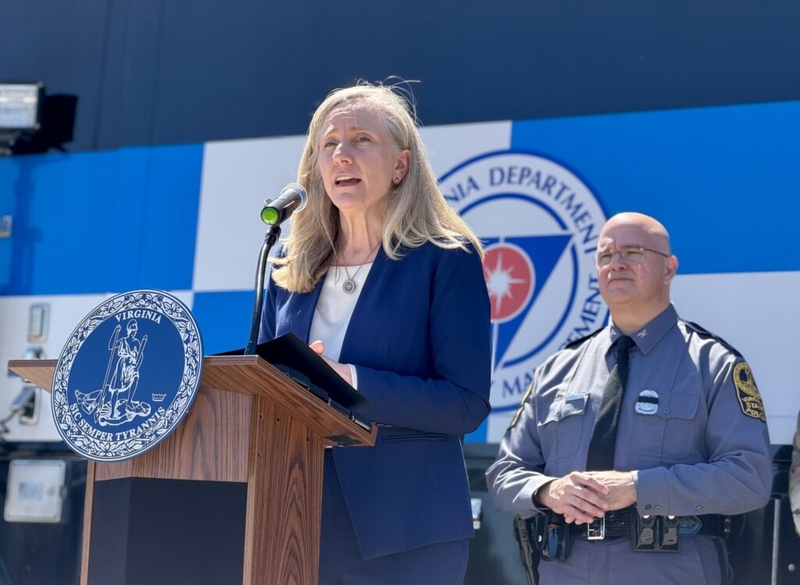
Gov. Abigail Spanberger speaks to reporters Wednesday at the Virginia Emergency Operations Center in Richmond after participating in hurricane preparedness briefings and emergency response simulations ahead of the 2026 Atlantic hurricane season. (Photo by Markus Schmidt/Virginia Mercury)
With the 2026 Atlantic hurricane season underway, Virginia officials are urging residents to prepare now for severe weather that can bring flooding, damaging winds, tornadoes and prolonged power outages across the commonwealth.
State leaders gathered Wednesday at the Virginia Emergency Operations Center in Richmond for hurricane preparedness briefings and tabletop simulations meant to test coordination among emergency management agencies, first responders and state officials ahead of the busiest stretch of storm season.
The Atlantic hurricane season began June 1 and runs through Nov. 30, with Virginia typically facing its greatest risk from late summer into early fall.
“We spent the morning here in the emergency operations center, going through briefings and preparedness simulations,” Gov. Abigail Spanberger told reporters after the briefing. “While it is beautiful outside today, we know that now is the time for us to begin preparing.”
Spanberger pointed to the lingering damage left by Hurricane Helene, which tore through parts of Southwest Virginia after moving inland through the Southeast in September 2024.
“We know that storms that started in the Atlantic or the Gulf can come north and cause severe damage in Virginia,” she said. “We saw this with the devastation caused by Hurricane Helene, and communities are still working to recover and rebuild.”
The storm caused catastrophic flooding, road washouts and widespread damage, particularly in Damascus along the Virginia Creeper Trail corridor in the southwestern part of the state, prompting a federal major disaster declaration.
In Damascus, business is down but hopes are high one year after Hurricane Helene
Virginia later estimated roughly $4 billion in damage statewide. Nearly two years later, some communities are still rebuilding infrastructure and tourism economies.
Emergency management officials said preparing before storms remains one of the most effective ways to reduce injuries, property damage and service disruptions during severe weather.
“Preparedness starts long before a storm appears on the forecast map,” said Lauren Opett, acting state coordinator of emergency management. “The best time to gather supplies, review evacuation plans, and discuss emergency procedures with your household is now.”
Opett said residents should focus on practical steps that can be handled before severe weather threatens the state.
“Small steps taken today can make a tremendous difference when severe weather impacts Virginia,” she said. “Our team at VDEM stands ready to support communities across the Commonwealth throughout hurricane season.”
Emergency officials further warned that tropical systems do not need to make landfall in Virginia to create dangerous conditions. Hurricanes and tropical storms can trigger inland flooding, tornadoes, storm surge, heavy rain and power outages far from the coast.
Spanberger also encouraged Virginians to begin by developing emergency plans for their households. That includes identifying evacuation routes, choosing meeting locations if family members become separated and signing up for wireless emergency alerts.
“The first thing that we can all do to get prepared is to just make a plan,” she said. “If you need to evacuate this hurricane season, you can get your family to safety faster if you have already thought about what to do. Where would you go? How will you get there? And figure out how to reconnect with family if you’re not together at the time that a storm hits.”
Residents in coastal and flood-prone areas are also being encouraged to review evacuation zones before storms threaten the state.
Spanberger directed Virginians to KnowYourZoneVA.org for evacuation information while emphasizing the importance of building emergency kits with supplies to last at least 72 hours.
Emergency management materials released Wednesday advises Virginians to stock flashlights, batteries, medications and other essentials. The governor urged home owners to secure loose outdoor objects, clean gutters, trim damaged tree limbs and inspect backup power equipment ahead of severe weather.
State officials also emphasized generator safety, reminding residents to check carbon monoxide detector batteries before storms arrive and operate generators outdoors and away from homes.
Flood insurance was another major focus of Wednesday’s briefing. Spanberger warned that many standard property insurance policies do not cover flood damage and noted that flood insurance policies can take up to 30 days before becoming active.
“It’s better not to wait until a storm is imminently coming our way,” Spanberger said.
Just one inch of water inside a home or office can cause thousands of dollars in damage, including repairs to drywall, flooring and furniture.
Businesses are also encouraged to review emergency response plans, communicate with vendors about possible supply chain disruptions and protect important records and computer systems before storms develop.
But Virginia, Spanberger said, remains prepared for hurricane season.
“We are working together to collaborate across state agencies,” she said. “First responders, community organizations and individual Virginians are essential to our effective disaster response.”
The Virginia Department of Emergency Management is encouraging residents to monitor trusted weather forecasts and visit VAEmergency.gov for preparedness guidance and emergency information throughout hurricane season.
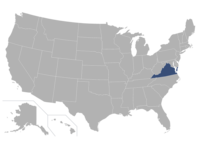
Richmond, VA