State, feds give 2026 wildfire season outlook
Jun 03, 2026 | 6:26 pm ET
Description
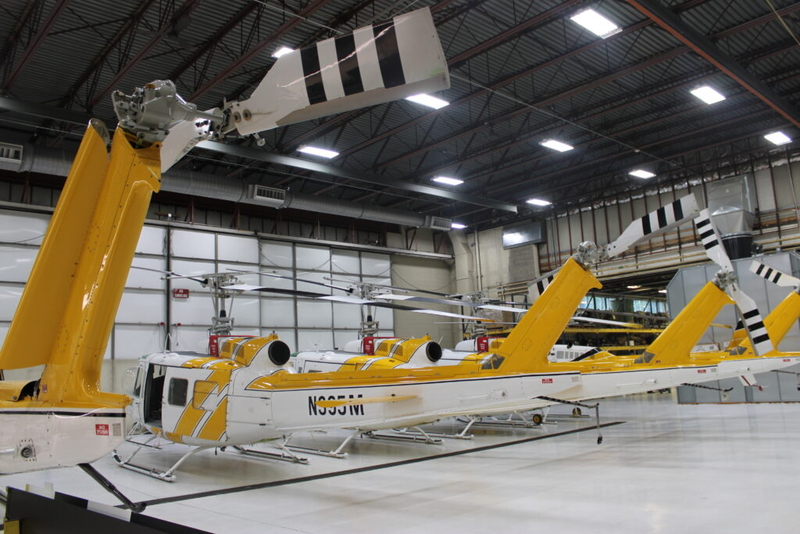
Montana Department of Natural Resources and Conservation helicopters are pictured in the DNRC's hanger on Tuesday, June 2, 2026 in Helena, Montana. (Jordan Hansen / Daily Montanan)
While recent rains are part of a reason for some optimism surrounding this year’s wildfire outlook, it could “turn on a dime” officials warned during a seasonal briefing.
Gov. Greg Gianforte, Montana Department of Natural Resources and Conservation Director Amanda Kaster, and representatives from other state, local and federal agencies gave the update to the governor on Tuesday.
“Over the past several years, we have expanded our response capabilities to defeat and meet the demands of a longer and more complex fire season,” Kaster said. “This includes adding hand crews, increasing seasonal staffing, and expanding our aviation resources.”
While Montana did receive precipitation in the fall and early winter — and even some flooding — recent months have been far warmer than normal. High temperature records fell in many communities across the western portions of the state.
Above normal potential for fires is possible through July in eastern Montana, and, starting mid-summer, fires concerns grow for the southwestern portion of the state.
But complicating that outlook is monsoonal rains the state has received late in the summer. This has happened three years in a row, said Dan Borsum, a meteorologist with the Northern Rockies Coordination Center, now part of the new U.S. Wildland Fire Service.
High winds are another issue, and last year was the second-windiest year on record in Montana, Borsum added.
“That is an accelerant that does cause and promote drying across the land,” Borsum said.
Snowpack is down as well, though Borsum said it was unknown how that would affect fire season. Montana and the West, generally, are dry right now, but recent rains — which added up to seven inches in some areas — gave Borsum some reason for optimism.
“There are a lot of areas, particularly the Golden Triangle, Great Falls, Cut Bank, Havre, where there’s 2 to 3 inches of rain received,” Borsum said. “So some areas really benefited from this system, and it was like a one in five year rainfall event, and I feel better about those locations than I did a few days ago.”
Even so, he added that southwestern and eastern Montana could be hotspots for fires this summer. Temperature outlooks for July are also a concern. Above normal potential for fires is expected between now and July in eastern Montana, then expanding to more of the state.
“And then in July we begin to see concerns develop in southwestern Montana after the curing of some fuels, and that spreads into the Bitterroot in August,” Borsum said.
The governor and assembled press also received operational updates from several federal agencies, including the new U.S. Wildland Fire Service.
Aaron Thompson, the USWFS Northern Rockies Geographic Area Fire Chief, said Tuesday the new agency is taking a phased approach to implementation and expects to be ready for the 2026 fire season.
“Most importantly, through this transition, there will be no gaps in capability,” Thompson said.
Dan McKeague, acting deputy regional forester for Region 1 of the U.S. Forest Service, added, the agency has “the same full complement of hand crews and fire personnel, equipment, aviation contracts, and staffed interagency dispatch centers we have all relied on in use years past.”
McKeague, in a prepared statement, also added that 177,000 acres have been treated through mechanical thinning and prescribed burns so far this spring. The state of Montana and the Forest Service also came to an agreement earlier this year to target hundreds of thousands of acres of forest for treatment.
“We will also continue to use the full range of active forest management tools and expedited authorities available to us in managing national forests,” McKeague said. “This includes the president’s executive order and Secretary Rollins’ memorandum supporting expanded American timber production efforts.”
More on the USWFS
The creation of the U.S. Wildland Fire Service, which seeks to consolidate the fire fighting apparatuses of all federal wildland firefighting agencies, has been hotly debated in Congress.
Last week, a 301-page report was submitted to House Appropriations on the bill to fund the Department of the Interior (where the USWFS is housed) among other agencies. The budget proposed in that report would include $1.16 billion for the USWFS, Substack and podcast The Hotshot Wake Up reported on Wednesday.
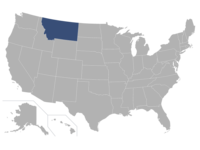
Helena, MT