May the lucky find morel mushrooms in Vermont
May 26, 2026 | 4:38 pm ET
Description
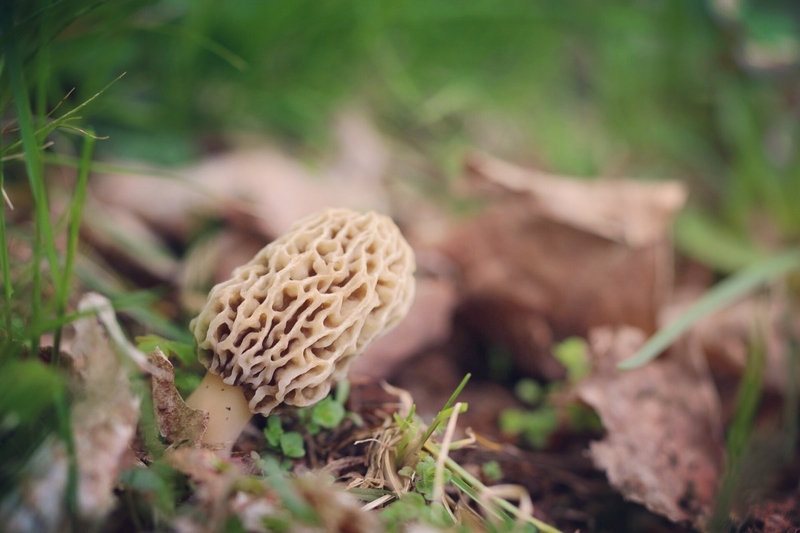
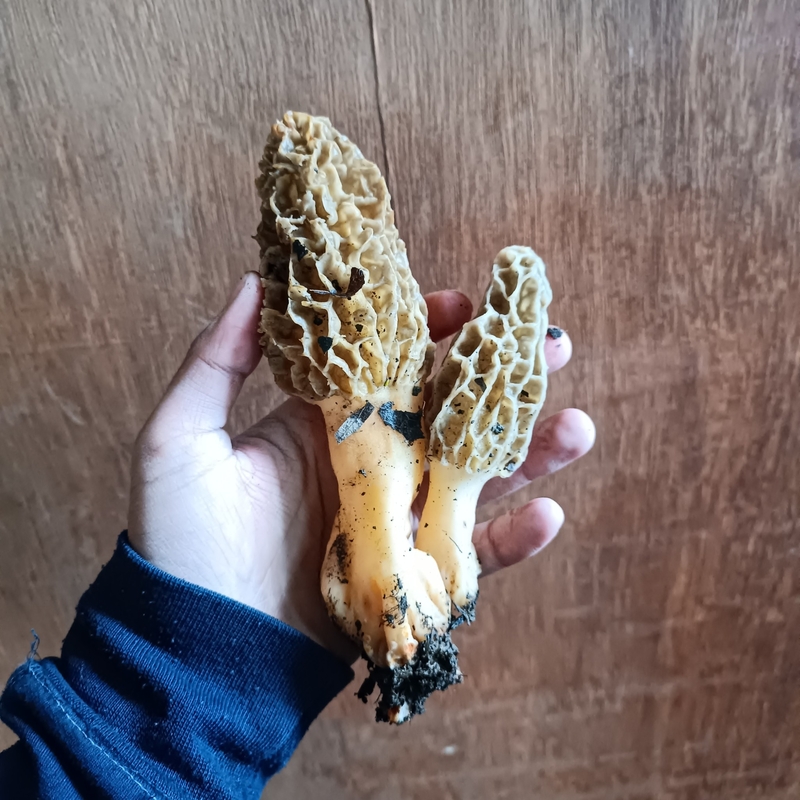
A yellow morel mushroom. Photo by Jenna Antonino DiMare, Copyright The Mushroom Forager, LLC
A forager scavenging through the Vermont woods in May might be lucky enough to behold the morel mushroom, a particularly tasty variety of fungi that’s garnered lots of hype in the state.
Though morels commonly crop up around the roots of Elm and Ash trees as soils thaw and warm after winter. Morels have a symbiotic relationship with those plants, but it also has a mystique for thriving in unexpected places — which makes the prowl all the more fun.
“People kind of go crazy,” said Bethany Beech, president of the Vermont Mycological Society.
A keen forager may find a handful of morels at a time, but only someone blessed by the fungi gods finds a “honey hole” where they grow in abundance.
In Vermont, morels typically begin cropping up in early May, peak in the middle of the month and phase out of season in June. Foragers say the mushroom drums up excitement because it’s difficult to find, is in season for a short time window and has a delicious umami flavor.
“I just have ’em cooked in butter. They’re so good,” Beech said.
One person in a Facebook group titled “Vermont Morels 2026” posted that they sold the fungi for $40 per pound. Lovers of the mushroom also organized Morelfest, a public event scheduled to happen May 30.
Ari Rockland-Miller, a forager who lives in Richmond, said he loves eating morels. But for him, foraging is more about the “potential”: the excitement that a wild mushroom could be right around the corner.
“Everytime I see a morel, I feel a zing of adrenaline hit me,” Rockland-Miller said.
Foraging helps Rockland-Miller connect with nature and his childlike sense of wonder, he said. He writes a blog about his foraging finds and leads expeditions into the woods with his wife, Jenna Antonino Dimare, to educate others about foraging.
The couple said they’ve noticed an uptick in people foraging since the onset of lockdowns during the Covid-19 pandemic in 2020, which they think drove a lot of people outside.
This year has seen a pretty abundant spring for morels, according to Terry Delaney, a professor of plant biology at the University of Vermont, who teaches classes on fungi.
Last year morels didn’t do too well given dry soil conditions, he said. But this year, a gradual transition between cold and warm temperatures created good soil conditions, he explained. The steady change in temperature combined with frequent, light rainfall created good conditions for morels to grow, according to Delaney.
“They almost have a sense of humor,” said Rockland-Miller, talking about morels. In the woods the mushroom can take hours to find, yet a patch unexpectedly cropped up along his neighbor’s driveway in Richmond.
Tips from the pros
For amateurs who want to dabble in foraging for the dinner table, experts say that morels must be thoroughly cooked before being eaten.
Someone can identify a morel by its surface, which is covered in dozens of round or elongated craters, according to Delaney. Some morels, dubbed half morels, have smaller caps and longer stems, he said.
Other mushrooms that look similar to morels, but shouldn’t be eaten, look more like a brain on the surface, according to Bethany Beech, president of the Vermont Mycological Society. Those false morels are likely to make someone sick, but are very rarely fatal, according to Delaney.
Anyone foraging for morels should cut the mushroom in half, hotdog style, Beech said. Real morels should be completely hollow inside.
“Some species will have kind of a cobwebby substance in the middle, and some species will be solid. Neither of those are what you want,” Beech said.
Foragers have different schools of thought on how to forage responsibly. Rockland-Miller said he thinks it’s important to leave the majority of a patch of mushrooms so that the patch can continue to thrive.
Beech points out, however, that because the main organism of the mushroom is underground, it won’t really affect the fungi’s health to take every mushroom from a patch, she said.
Beech said she has a theory about mushrooms that people tend to craze over.
“I think that it’s mushrooms that are good to eat and have very few confusing look-a-likes,” Beech said. And morels have the full package.
Read the story on VTDigger here: May the lucky find morel mushrooms in Vermont.
Montpelier, VT