Lawmakers contemplate pause on artificial turf to study potential health, environmental hazards
Apr 09, 2025 | 3:12 pm ET
Description
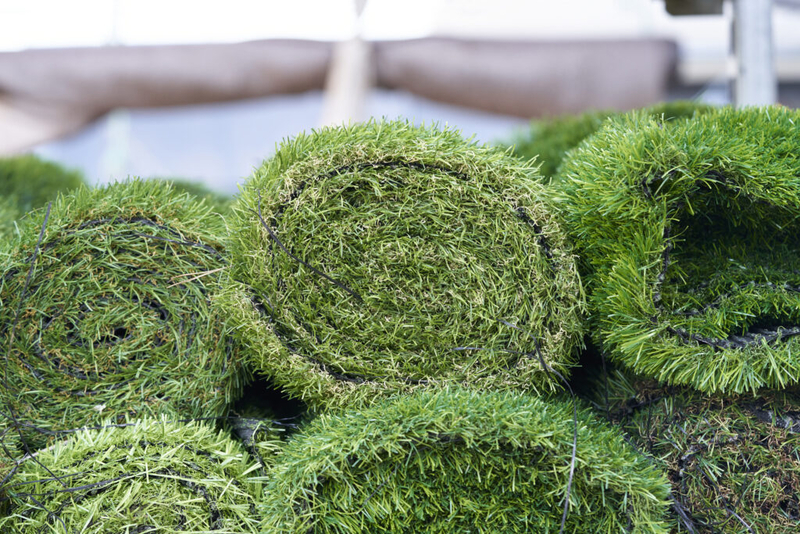
Artificial turf can contain some toxic chemicals, including phthalates, which have been known to increase risks of cancer, asthma and other negative health outcomes. (Photo: Aire images/ Getty)
Voters in South Portland may be asked on the November ballot to choose between natural grass and artificial turf at the high school athletics complex, but that project could face a hiccup from Augusta with a bipartisan group of lawmakers trying to pause synthetic field projects.
The Maine Legislature’s Environment and Natural Resources Committee held a public hearing Wednesday for a proposal to put a three-year moratorium on installing and replacing artificial turf fields while the Department of Environmental Protection studies whether it is a risk to public health and the environment.
“I urge you to consider the safety of both our children, our environment and to support this legislation,” said Assistant House Majority Leader Lori Gramlich (D-Old Orchard Beach) when presenting LD 1177.
While supporters of the bill echoed Gramlich’s concern for microplastics and other chemicals that could leach into waterways and human bodies, its opponents wondered why that sort of analysis can’t be done without a moratorium that could cause costly disruptions to efforts to build and maintain these fields.
Gramlich said current data and studies about the potential risks from artificial turf is scattered, so asking the department to vet and compile those findings would make it easier for Mainers to access reliable information to apprise decisions in their communities.
South Portland resident Mary Linneman spoke of the time-consuming research she and others in her community have undertaken to advocate for a natural grass field. She supports LD 1177 because delegating that work to the state could make the process more efficient for other communities who may face similar questions.
Gramlich also spoke of health risks to children who play on these surfaces, such as increased chance of dehydration since artificial turf can get hotter than regular grass. Though, there is also evidence that natural grass could pose a greater risk of concussions, especially while playing football.
A senior at Mount View High School in Thorndike told the committee he experiences more knee and hip pain after playing soccer on a turf field, when sharing the reasons why he is in support of the bill.
Other proponents of the bill raised concerns about the toxic chemicals found in artificial turf including phthalates, which have been known to increase risks of cancer, asthma and other negative health outcomes. There was also discussion about the presence of perfluoroalkyl and polyfluoroalkyl substances, also known as PFAS, in the artificial turf; however, fields with intentionally added PFAS will already be banned in the coming years under current state law.
Despite industry improvements to eliminate PFAS and move away from using recycled rubber in these fields, testing may not capture all types of forever chemicals, said Sarah Woodbury, vice president of policy and advocacy for Defend Our Health. At the same time, she said the organic materials to replace the rubber are often still treated with chemicals for durability.
Sen. Rick Bennett (R-Oxford), a cosponsor of the bill, also expressed worries about these fields ending up in landfills when Maine is already facing a solid waste “crisis.” Turf fields generally need to be replaced every 10 years.
Department of Environmental Protection Commissioner Melanie Loyzim testified neither for nor against the bill. She said there are logical questions around using turf, but certain language in the bill should be clarified and the department would need more resources to complete the proposed work.
Dennis Walton, athletic director for Biddeford Schools, argued it violates the principle of local control and fails to recognize the environmental hazards such as pesticides, mowing and high water usage needed to maintain natural fields.
Superintendent Jeffrey Porter also opposed the bill because MSAD 51 is in the process of installing a turf field for the Cumberland-North Yarmouth district after a 20-person committee spent three months researching and deciding on a PFAS-free product to replace its current grass field that is in poor condition.
Athletics facilities at the University of Maine are undergoing overdue maintenance, including the addition of artificial turf fields, said Samantha Warren, chief external and governmental affairs officer, testifying against the bill. She said the university contracted with manufacturers whose products align with the state’s current PFAS regulations, but this proposal would “move those goalposts” and cost the university more money to redesign the project.
Additionally, artificial turf is important when recruiting students to play at the state’s only Division I school, Warren said.
While turf is used at many collegiate facilities across the country, professional athletes have come out against its use including the NFL Players Association and the U.S. Women’s National Soccer Team.
Mayor Mark Dion said Portland has invested in artificial turf to provide safe, accessible and durable athletic spaces throughout the city. Rather than implementing a moratorium, Dion suggested in his written testimony that the state should collaborate with municipalities while trying to better understand the environmental impacts.
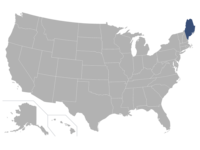
Augusta, ME