Lee signs on to Trump data center cost protection pledge as local communities push for regulation
Jul 27, 2026 | 6:01 am ET
Description
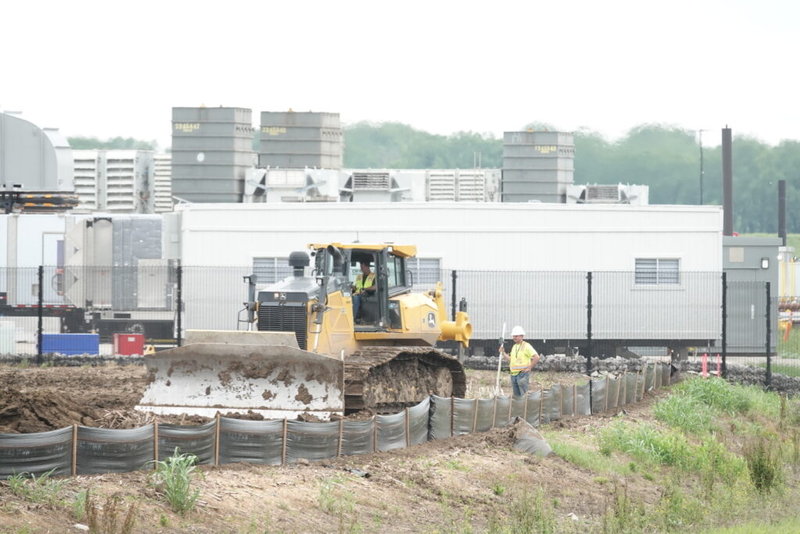
Billionaire Elon Musk's xAI supercomputer is in a predominantly Black Memphis neighborhood already affected negatively by environmental pollution. (Photo: Karen Pulfer Focht for Tennessee Lookout)
Gov. Bill Lee last week joined 22 Republican governors in signing onto President Donald Trump’s “Ratepayer Protection Pledge,” a voluntary agreement to hold companies responsible for the costs of building, maintaining and powering data centers.
The Trump administration has publicly touted the pledge as sparing taxpayers from tax and electricity rate hikes tied to data centers, even as communities across Tennessee and the U.S. push back on plans for the massive data infrastructure projects in their own backyards.
Tech companies including Google, Meta and OpenAI have also signed onto the pledge, which positions data center expansion as essential to the nation’s future.
“America’s continued economic and technological leadership depends on reliable, large-scale data center infrastructure built here at home,” the pledge says.
On Friday, Lee posted a message of thanks to Trump for introducing the pledge.
“Tennessee has shown we can lead the nation in innovation while protecting hardworking families from higher utility bills, & we’re grateful for your leadership to advance policies that strengthen our economy & secure America’s future,” Lee posted on X.
There may be an appetite among voters for ratepayer protections with more teeth, according to Sarah Hunt, president and CEO of Rainey Center, a Washington, D.C.-based nonprofit public policy research organization.
“Only 9% of voters that we polled had even heard that these tech companies had voluntarily signed onto this pledge that the White House had put together, and 61% of voters, after we tell them about it, want to see Congress make the Ratepayer Protection Pledge binding law,” Hunt said during a July Infrastructure Summit hosted by the Tennessee Chamber of Commerce and Industry.
The U.S. Environmental Protection Agency has declined to set nationwide environmental standards for data centers, instead leaving regulatory decisions to states and local governments.
Tennessee lawmakers this year passed a law stipulating that owners of data centers that require at least 50 megawatts of power must pay for any infrastructure upgrades needed to produce the electricity the data center demands. Sen. Brent Taylor, a Shelby County Republican and the law’s senate sponsor, said the law is meant to protect ratepayers from power bill increases.
But the law has some caveats: if the infrastructure upgrades benefit other ratepayers or follow normal rules that apply to all large electricity customers, utilities can help data centers cover the cost.
The law alternatively allows data centers to power themselves using equipment like gas-powered turbines — without state or local oversight — raising concerns from environmental groups and community coalitions who say these turbines pollute the air and emit continuous sound. Data centers may also purchase power from independent producers that operate outside of public utilities.
Tennessee lawmakers did not pass six other bills introduced this year that would have set up guardrails for data centers, ranging from registration and permitting requirements to mandatory reporting on water, electricity and fuel use.
Multiple local governments across the state have instituted moratoriums on data center project approvals while they create regulations for the growing industry.
Nashville, TN