Fifty for 150: Obama accepts the Democratic nomination in Denver in 2008
Jun 04, 2026 | 6:00 am ET

Description
Barack Obama, then a U.S. senator, speaks to the Democratic National Convention at Invesco Field in Denver, on Aug. 28, 2008. (Chris Schneider/Rocky Mountain News via Denver Public Library digital collections)
In August 2008, Americans were feeling uneasy. Eight years of the George W. Bush administration had mired the country in two protracted wars in the Middle East. The attacks of 9/11 still cast a dark shadow over much government policy, and Osama bin Laden was still on the run. A financial crisis was reaching its climax and the Great Recession was underway.

This story is part of Colorado at 150. Each Fifty for 150 story focuses on an event that helped define Colorado over 150 years of statehood. Newsline is publishing one Fifty for 150 story every weekday in reverse chronological order until the sesquicentennial, Aug. 1, when the final of 50 stories, about the declaration of statehood, will appear.
Against the backdrop of this turmoil emerged a presidential candidate who offered a simple alternative. He called it hope and change.
Barack Obama, then a 47-year-old U.S. senator from Illinois, parlayed this optimistic message into a presidential primary victory over Hillary Clinton, the former first lady, making him the star attraction when the Democratic National Convention commenced in late August in downtown Denver.
The city’s successful bid to host the event came in part from the efforts of Elbra Wedgeworth, then the Denver City Council president, who thought the city possessed the requisite amenities for such a massive event. She wanted to see her hometown take its place on the national political stage. Denver had previously hosted just one national political convention, also for the Democrats, exactly 100 years before.
Wedgeworth pitched Denver to the Democratic National Committee as part of the “New West” states that would be “vital battlegrounds to a democratic victory” that year, she told Westword in 2024.
Much of the event’s weeklong schedule centered on what was then known as the Pepsi Center, now called Ball Arena, where convention activities took place. The convention drew scores of A-list celebrities to the city, including Jennifer Lopez, Ben Affleck, Susan Sarandon, Anne Hathaway, Quentin Tarantino, Spike Lee and Chevy Chase. Rage Against the Machine performed an anti-war concert at the Denver Coliseum.
But the culminating moment came on the evening of Aug. 28, when Obama stepped onto the stage at Invesco Field (now Empower Field at Mile High) to accept the Democratic nomination for president. An estimated 85,000 people were in attendance. Obama’s speech was charged with history, since he was the country’s first Black person to be nominated by a major party for president. And his remarks came 45 years to the day after Martin Luther King Jr. delivered his “I Have a Dream” speech in front of the Lincoln Memorial.
Wedgeworth, a Black woman, was deeply moved.
“When Senator Obama walked across the stage at Invesco Field that night, I cried with joy and pride to be here for this celebration and that I had a small part making this happen,” she recalled.
Even Fox News that night noted the momentous nature of Obama’s achievement.
“So put aside politics for a moment, and consider, no matter who wins this election, no matter where your allegiances lie, Barack Obama is about to take a step forward — not only for African Americans, but for all Americans,” host Shepard Smith said.
Obama alluded to King’s speech in his own, and he tied the promise at the core of King’s message to his own vision of the American spirit, which “binds us together in spite of our differences.”
He made policy promises, such as around the Iraq war and climate change, but he also made commitments to accomplish more abstract, if no less important, goals.
“And I will restore our moral standing, so that America is once again that last, best hope for all who are called to the cause of freedom, who long for lives of peace, and who yearn for a better future,” he said.
Three months later, Obama defeated Republican John McCain in the election to become the first Black president in American history. Eight years later, he was succeeded by a Republican who won on a very different message. Hope gave way to Donald Trump’s “American carnage.”
Denver might not have to wait another hundred years to be the site of a national convention again. It is a finalist to host the 2028 DNC.
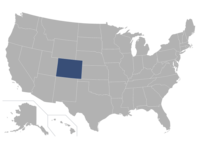
Denver, CO