SC utility regulators set January deadline for decision on Dominion, NextEra merger
Aug 04, 2026 | 5:22 pm ET

Description
Dominion Energy is headquartered in Richmond, Virginia. (Photo by Parker Michels-Boyce for The Virginia Mercury)
COLUMBIA — South Carolina regulators are expected to make a decision within six months on whether to approve a utility mega merger valued at $67 billion.
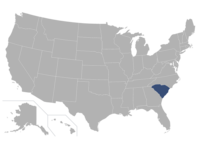
The state Public Service Commission voted unanimously Tuesday to adopt a regulatory schedule proposed by Florida-based NextEra Energy and Virginia-headquartered Dominion Energy, setting a Jan. 29, 2027, deadline for a final determination on the merits of a merger and potential impacts on the 820,000 customers it serves across the Lowcountry and Midlands.
If approved, the newly combined company would serve a total of 10 million customers across four of the nation’s fastest-growing states — Florida, South Carolina, North Carolina and Virginia. The companies hope to close the deal sometime in the second half of 2027.
Dominion Energy, NextEra seek to merge, creating world’s largest electric utility
Commissioners in South Carolina’s capital approved the timeline without comment Tuesday after delaying its decision by a week to give members more time to think it over.
The timeline can still change. Participants can ask the commission to alter the schedule as needed.
“This schedule provides all parties with adequate opportunity to meaningfully participate in this proceeding,” Commissioner Delton Powers said in his motion, noting South Carolina’s utility watchdog had agreed to the timeline.
So did House Speaker Murrell Smith and Senate President Thomas Alexander, who filed petitions two weeks ago asking to be part of the proceedings.
In letters to the commission, whose members are elected by the General Assembly, the Sumter and Walhalla Republicans cited the large number of South Carolinians potentially impacted. Both said in the July 21 filings they don’t have a position for or against the merger but don’t oppose the utilities’ proposed timeline.
Alexander declined to comment further Tuesday, citing the ongoing regulatory procedures.
Smith was traveling overseas and not immediately available to respond to questions submitted by the SC Daily Gazette.
Consumer and environmental groups criticized the involvement of the Legislature’s top GOP leaders, saying the politicians were putting their fingers on the scale in favor of utilities.
It’s not the first time a state House speaker has gotten involved in Public Service Commission proceedings.
In 2017 and 2018, when Dominion was in the process of buying out bankrupt SCANA Corp. following the state’s failed nuclear expansion at VC Summer nuclear site, then-Speaker Jay Lucas filed a similar petition.
Here’s how much SC power customers are still paying for a failed nuclear project
That was also a much different situation. The state still had direct skin in the game, as the partially built reactors were jointly owned by SCANA and state-owned utility Santee Cooper.
While the potential deal between Dominion and NextEra is massive, it is unclear what makes this merger rise to the same level as the fallout from the failed nuclear project so as to warrant legislative involvement.
On the same day utility regulators met, state business, utility and government leaders gathered in Columbia to talk about South Carolina’s energy needs during a summit hosted by the state’s joint manufacturing and chamber of commerce organization.
Sen. Tom Davis told the SC Daily Gazette he did not know the exact reason behind leaderships’ decision to participate.
“If it’s so the Legislature is better informed about what occurs, I think that’s a helpful thing,” the Beaufort Republican said. “And I think that probably is the intent.”
But Davis, who has led legislative efforts related to energy in the state, also said he would not want to see any interference or influence on the commission’s process, “because they’re the ones that have been delegated this power to make these decisions.”
This is not NextEra’s first foray into South Carolina. The company also tried and failed to buy Santee Cooper in the wake of the failed V.C. Summer nuclear expansion.
The Dominion deal, as proposed, would take place through a stock swap — eight-tenths of a share of NextEra’s stock for each outstanding share of Dominion — so NextEra shareholders would own about 75% of the combined company.
“This is a combination centered on customers, communities and employees. It preserves the Dominion Energy utilities our customers know — the same local leaders, employees, regulatory oversight and commitment to an all-of-the-above energy mix — while adding capabilities that can help us build needed infrastructure more efficiently and keep bills affordable,” Dominion CEO Robert Blue said in a statement following the filing with the Public Service Commission last month.
Dominion will maintain its Virginia headquarters, as well as its South Carolina offices, and customers across Virginia, North Carolina and South Carolina would see a total $2.25 billion in discounts on their monthly bills over two years, according to a joint statement by the companies.
South Carolina’s Public Service Commission is far from the only agency that must sign off on the proposed merger of $67 billion in stocks.
The two utilities also need approvals from the Virginia State Corporation Commission, the North Carolina Utilities Commission, the Federal Energy Regulatory Commission and the Nuclear Regulatory Commission. The deal also is subject to antitrust oversight by the Federal Trade Commission and Department of Justice.
But South Carolina could end up the first to weigh in from a utility regulations standpoint.
Virginia law requires its state utility regulators to make a decision within six months of a company filing. (Dominion and NextEra filed on July 15.) But some Virginia lawmakers have sought to extend that.
The Virginia House tried to add a clause to the state budget giving themselves the ability to weigh in. And last month, two Republican legislators wrote the governor asking her to call a special legislative session to extend the time limit.
Lt. Gov. Ghazala Hashmi last month also urged the commissioners to more closely scrutinize the planned merger.
If the commonwealth’s leaders don’t act, Virginia’s decision could still come down two weeks ahead of the Palmetto State’s.
Columbia