Trump administration mounts second attempt to relax offshore Arctic drilling rules
Aug 04, 2026 | 3:44 pm ET
Description
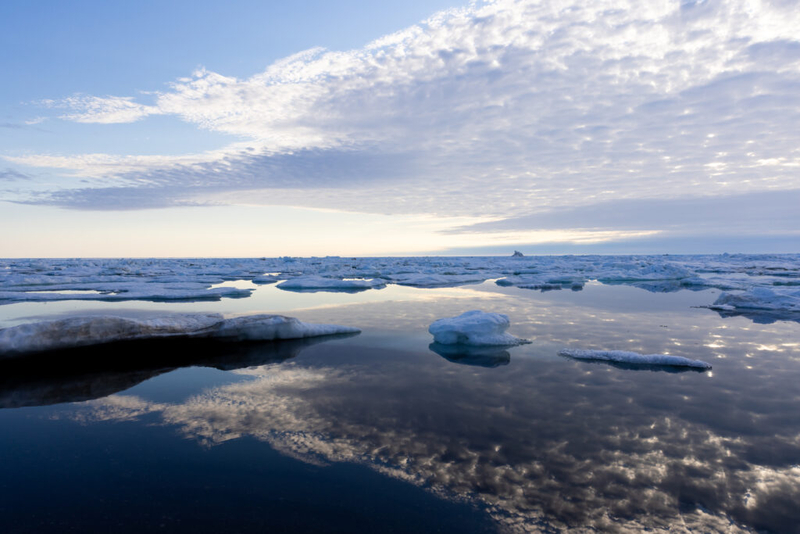
Cloud patterns and the midnight sun reflect over the Chukchi Sea, where the summer sea ice floats in large slabs. The Trump administration wants to conduct several lease sales in the Chukchi and other offshore Arctic areas, and it is now proposing to relax safety rules put in place by the Obama administration. (Photo by Lisa Hupp/U.S. Fish and Wildlife Service)
The Trump administration is proposing to loosen the regulation of offshore Arctic oil drilling by revoking several safety regulations put in place during the Obama administration.
The U.S. Department of the Interior announced on Monday that it will propose a new rule to change what it called “a burdensome regulatory framework” imposed a decade ago on oil development in federal Arctic waters.
In a statement, Interior officials said the move would encourage oil development in the region.
“President Trump has made clear that America must fully avail itself of Alaska’s extraordinary resource potential for the benefit and security of the Nation and the citizens who call Alaska home,” Secretary of the Interior Doug Burgum said in the statement. “This proposed rule reflects a disciplined, mission-focused approach that strengthens regulatory efficiency, reduces unnecessary barriers and ensures that Arctic energy exploration proceeds safely, responsibly and under strong federal oversight.”
“The Alaskan Outer Continental Shelf contains some of America’s most promising offshore resources,” Matt Giacona, Interior’s acting marine mineral administration director, said in the statement. “These targeted updates would provide clear, practical compliance options for Arctic Outer Continental Shelf exploration while preserving safeguards to protect workers, the environment and Alaska’s precious natural resources.”
The proposal drew immediate criticism from one environmental group.
“There’s no such thing as safe drilling in the Arctic Ocean, and that’s why it should never, never happen,” said Cooper Freeman, Alaska director for the Center for Biological Diversity. “Having these very stringent rules and regulations to protect the Arctic and avoid catastrophe is the bare minimum.”
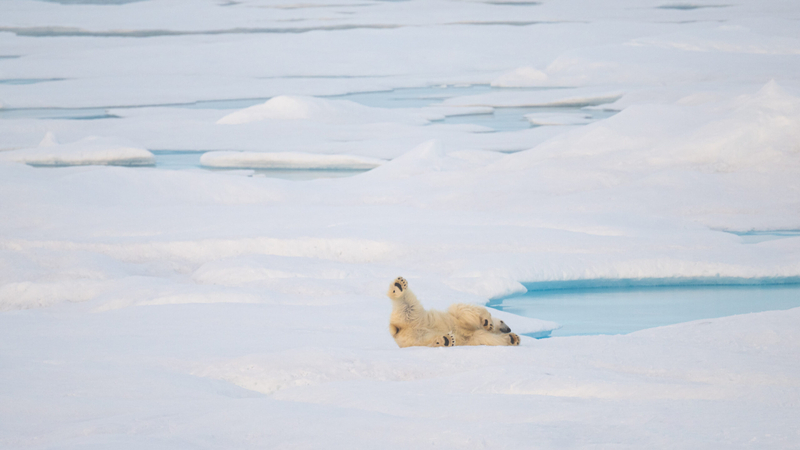
Arctic conditions, that feature shifting sea ice, harsh weather and remoteness, make oil spill response virtually impossible – and they make oil exploration impractical, Freeman said.
“It’s incredibly expensive, risky, dangerous, uncertain,” he said. Alternatively, leaders could be developing renewable energy infrastructure now, but “that’s not what our federal or state leadership are focusing on, and it’s just hurting our environment, hurting the climate and hurting the pocketbooks of Alaskans.”
Details of the newly proposed rule were not available on Monday. The proposal will be published in the Federal Register in future days and subject to a 90-day public comment period after that, the Department of the Interior said in its statement.
There has been only sporadic oil exploration drilling in federal waters of the Arctic in past decades, and there has never been any oil produced from there or any part of the federally managed outer continental shelf off Alaska except for a small part of the Hilcorp-operated Northstar field, which is located mostly on state territory.
There has been no oil production in Canadian Arctic waters, either. Canada has long maintained a two-rig requirement, and oil development in Canadian Arctic waters has been barred under a moratorium imposed in 2019.
Arctic oil policy changes
Monday’s Department of the Interior announcement is the latest episode in a back-and-forth pattern of Arctic oil policy.
The Obama-era rule standardized some requirements that had been applied to Shell’s multibillion-dollar exploration program in the early 2010s in the Chukchi and Beaufort seas.
That rule included a requirement that each operator have a designated backup drill rig to be available to respond to a well blowout and an integrated operating plan with steps to be taken and equipment to be used in the event of emergencies such as oil spills and extreme weather events.
The Obama-era rule went into effect in 2016, after Shell abandoned its offshore Arctic program.
The first Trump administration tried to loosen those Obama-era requirements. In a proposed rule released in 2020, the administration said it intended to relax the relief-well requirement and eliminate the requirement for an integrated operating plan among other changes.
That first Trump administration rule never went into effect. The Biden administration in 2021 rescinded the proposal, keeping the Obama-era rules in place.
The new Trump proposal, like the proposal in the first Trump term, seeks to relax the relief-well requirement and eliminate the requirement for an integrated operating plan, according to the Department of the Interior statement.
The attempt to loosen Arctic drilling rules comes as the Trump administration is pushing to expand oil development in that remote region.
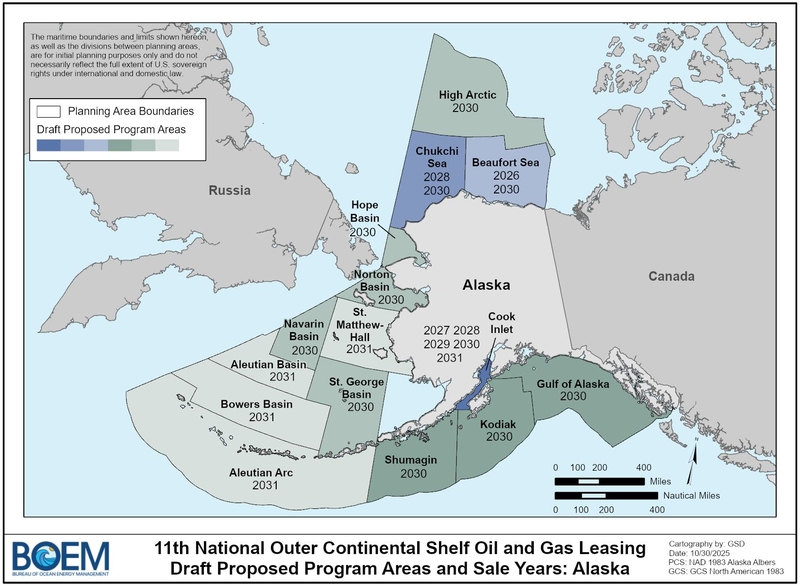
The administration’s draft five-year outer continental shelf oil and gas leasing plan calls for numerous lease sales in federal Arctic waters, along with several lease sales in the Bering Sea and Bering Strait region.
That is despite President Barack Obama’s actions that withdrew the entire Chukchi Sea and much of the Beaufort Sea from the leasing program.
A previous federal court ruling struck down an earlier attempt, during the first Trump administration, to allow oil drilling in Arctic waters that Obama had withdrawn from leasing. Under the Outer Continental Shelf Leasing Act, U.S. District Court Judge Sharon Gleason ruled in 2019, presidents may withdraw territory from the leasing program but they may not add territory.
Despite Gleason’s ruling, and despite a new lawsuit filed last year over the same issue, the Trump Department of the Interior is proposing to sell oil and gas leases not only in the Chukchi and Beaufort seas but in a newly designated, farther-north offshore region it calls the “High Arctic.” U.S. rights to that High Arctic territory have yet to be internationally recognized.
One Department of the Interior agency warned in December that it lacks the resources to properly regulate an expanded Alaska offshore leasing program. In comments on the Trump administration’s draft leasing plan, the Alaska director of the U.S. Bureau of Safety and Environmental Enforcement said the staff in the state was down to only four and the draft leasing plan “does not address the appropriations or staff required for any amount of additional leasing, exploration, or development activity” that the administration proposed for waters off Alaska.
The Trump administration in November reinstated expired Hilcorp offshore leases at the long-languishing Liberty project. The Biden administration in late 2024 denied Hilcorp’s request for extended time to develop the leases; it was the 12th such request made since oil was discovered there in the 1990s.
Plans for the Liberty development stretch back decades. BP, the original operator, had two general proposals, one for an artificial island to be the drill site and the second for drilling from an existing onshore area using ultra-extended-reach wells. Hilcorp, after it acquired Liberty and the operator position from BP, reverted to the artificial island concept but, as of 2024, switched to the ultra-extended-reach-drilling concept that BP had tried but rejected as unfeasible.
The Center for Biological Diversity and a Native organization, Sovereign Iñupiat for a Living Arctic, have notified the Department of the Interior and its officials that they intend to sue over the reinstatement of Liberty leases. That lawsuit has not yet been filed, Freeman said.
Juneau