Fifty for 150: One of the first Black lawmakers in Colorado passes civil rights law in 1895
Jul 22, 2026 | 5:45 am ET
Description
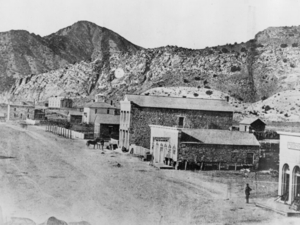
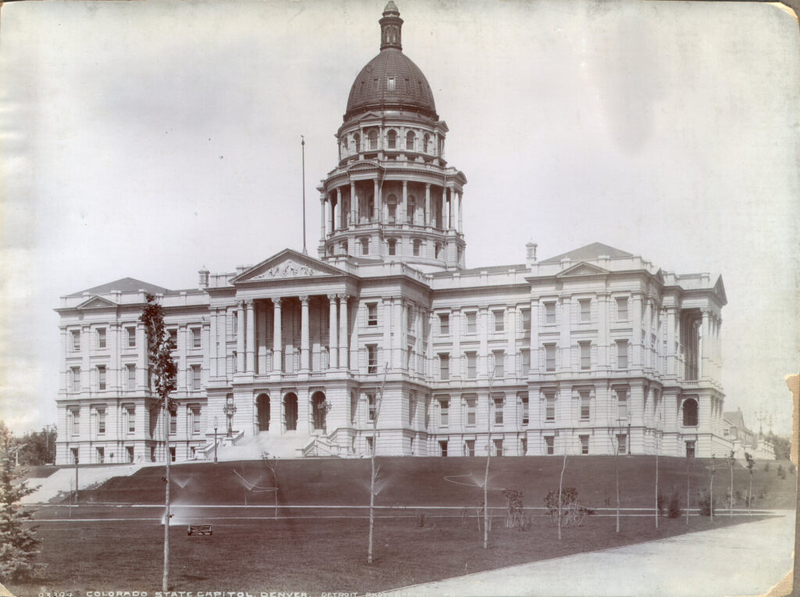
The Colorado Capitol is pictured at the end of the 19th century in Denver. (Denver Public Library Special Collections, WHJ-1008)
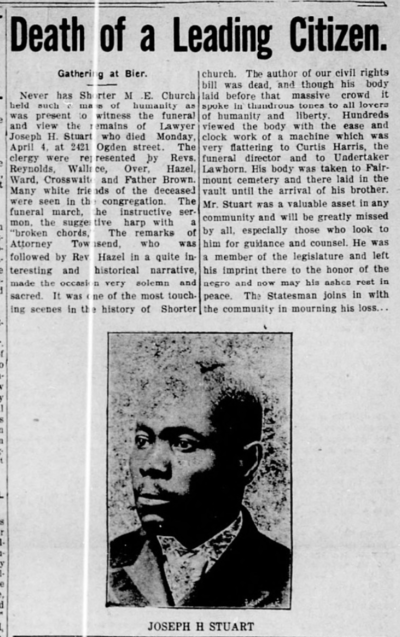
One of the first Black state legislators in Colorado passed a civil rights law in 1895 that said public accommodations could not ban people of color.
Joseph Stuart, the second Black lawyer to practice in Colorado and the second Black member of the Colorado Legislature, led a bill the same year voters first elected him to the House of Representatives that required equal access to public places like housing, restaurants, hotels and entertainment venues in Colorado. It was the first of what would be many laws seeking to protect the civil rights of Coloradans.
“He was able to get the bill through the legislature without any opposition,” author and historian Adrian Miller told Denver7 in 2021. “There were some people who were staunchly against this bill but they decided to abstain.”
The law was not enforced in many cities in Colorado, and a year later, the U.S. Supreme Court decided the infamous Plessy v. Ferguson case that upheld racial segregation. It wasn’t until the larger civil rights movement of the 1960s that Colorado’s law began to have a broader effect — Miller said the federal 1964 Civil Rights Act had the same framework as the law Stuart passed.
Colorado legislators in 1957 passed more civil rights protections to strengthen the 1895 policy, outlining specific enforcement provisions for public accommodations. The earliest version of the Colorado Anti-Discrimination Act, called the Colorado Fair Employment Practices Act, passed the same year and established the Colorado Civil Rights Commission.
Many civil rights protections in Colorado have been challenged in front of the U.S. Supreme Court, particularly after legislators amended the anti-discrimination act in 2008 to outlaw discrimination based on sexual orientation or gender identity.
After Stuart did not win another term in the Legislature, he continued to practice law, in some notable cases defending Black business owners and Black men accused of murder.
John T. Gunnell was the first Black representative in Colorado. He represented Arapahoe County from 1881 to 1883. He chaired the committee on federal relations and was a member of the elections and apportionment, and penitentiary committees.
Denver, CO