Threats to Alaska’s bees: climate, habitat, and a changing North
Jul 10, 2026 | 4:00 pm ET
Description
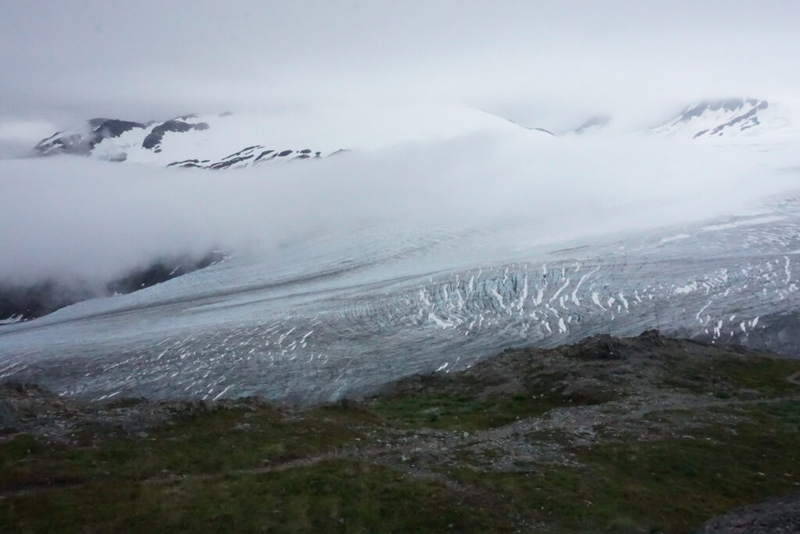
A section of the Harding Icefield is seen on Aug. 5, 2018, from the top of a mountain trail in Kenai Fjords National Park. It is one of the largest icefields in the United States. As it shrinks, new vegetation zones emerge, changing the landscape for pollinators. (Photo by Yereth Rosen/Alaska Beacon)
On a still June morning in Interior Alaska, a bumblebee clings to a wild rose petal, waiting for the sun to warm the air enough for flight. These moments — quiet, delicate, and easily overlooked — reveal just how finely tuned Alaska’s native bees are to the rhythms of the North. But those rhythms are changing, and with them, the future of Alaska’s pollinators.
Alaska’s bees have survived ice ages, volcanic eruptions and dramatic climate swings. Yet today, they face a combination of pressures that are accelerating faster than ever before. Habitat loss, invasive species, pesticides and rapid climate change are reshaping the landscapes bees depend on. Even small disruptions can ripple through entire ecosystems.
Habitat loss and fragmentation
Although Alaska is vast, bee habitat is surprisingly fragile. Many species rely on specific nesting conditions — loose soil warmed by the sun, mossy tundra hummocks, hollow stems or abandoned rodent burrows. Development, road construction and land clearing can eliminate these microhabitats in an instant.
Even small disturbances matter. A patch of soil compacted by heavy equipment may no longer support ground‑nesting bees. A roadside sprayed with herbicide may lose the wildflowers bees rely on. In a state with a short growing season, losing even a few weeks of bloom can affect an entire generation of pollinators.
Invasive plants
Non‑native plants such as white sweetclover and bird vetch are spreading across Alaska’s roadways, riverbanks and disturbed soils. These species grow aggressively, forming dense stands that crowd out native flowers. While bees may visit invasive plants, the nutritional quality of their pollen and nectar is often lower than that of native species.
Over time, invasive plants can reshape entire plant communities, reducing the diversity of flowers bees depend on. This loss of diversity can weaken bee populations and make them more vulnerable to other stressors.
Pesticides and herbicides
Even low levels of pesticides can harm bees. Insecticides may affect navigation, foraging behavior, or reproduction. Herbicides, while not directly toxic to bees, can eliminate the flowering plants they rely on.
In Alaska’s short summer, any reduction in forage can have outsized effects. A single poorly timed herbicide application can remove weeks of nectar and pollen sources.
Climate change
Climate change is reshaping Alaska faster than almost anywhere else on Earth. Warmer temperatures, earlier springs, shifting snowpack and altered precipitation patterns are affecting both bees and the plants they pollinate.
One of the most concerning impacts is phenological mismatch — when flowers bloom earlier than bees emerge. If bees wake too late, they miss critical early‑season forage. If they wake too early, cold snaps can kill them.
Climate change also affects:
- overwintering survival,
- nesting conditions,
- competition among species,
- the spread of invasive plants and
- the timing and abundance of seasonal blooms.
These changes are already being documented in parts of Alaska.
Disease and parasites
Pathogens can spread from managed honeybees to native species. While Alaska has fewer honeybee colonies than most states, disease transmission remains a concern. As temperatures warm, parasites and pathogens may expand their range northward.
Why these threats matter
Bees are more than pollinators — they are indicators of environmental health. When bee populations decline, it often signals broader ecological stress. Because Alaska’s ecosystems are tightly interconnected, changes in bee populations can affect berry production, wildlife forage and even rural food security.
Yet there is reason for hope. Alaska still has vast intact landscapes, and many native bee species remain resilient. With careful monitoring, habitat protection and community involvement, Alaska can safeguard its pollinators before declines become irreversible.
In the quiet buzz of a bee moving through a patch of wildflowers, there is a reminder: the health of Alaska’s landscapes depends on the smallest of its inhabitants.
Juneau