Nevadans voted for more renewable energy, not more natural gas
Jul 10, 2026 | 7:55 am ET
Description
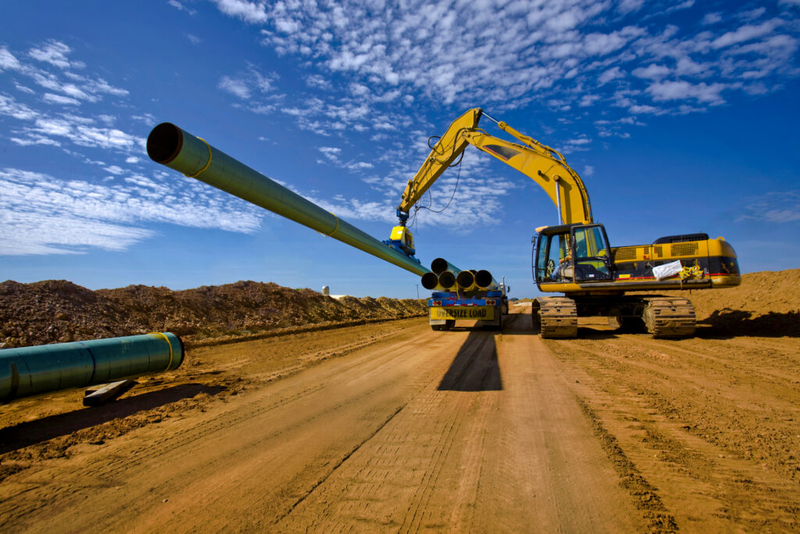
Nevada should not import more natural gas to supply data centers, which should be required to bring their own renewable energy in order to operate in the state. (Photo: iStock/Getty Images)
As Nevada’s energy demand continues to grow, the strain on ratepayers increases. Most Nevada residents and small businesses are subject to the services of investor-owned gas and electricity monopolies in the state.
Ratepayers deserve, and are legally allowed, an accessible platform to voice their concerns to the regulatory authority over those utilities. The Public Utilities Commission of Nevada (PUCN) is responsible for ensuring that utilities operate within the public interest and comply with state laws. Each year, the PUCN offers general consumer sessions to hear from the public. Ideally, these hearings help inform the decisions the PUCN makes.
Unfortunately, the PUCN’s decision to eliminate the evening meeting of the recent general consumer session made it difficult for ratepayers to exercise their right to be heard. It created an attendance barrier for daytime workers. Many of those who were able to attend the daytime session stood outside, enduring the afternoon heat for up to two hours while they waited for entry as room capacity opened up. This discouraged public participation and left many feeling distrustful of the regulatory process.
This unfortunate occurrence came on the heels of NV Energy’s settlement for 20 years of wrongful overcharges and the PUCN’s approval of the utility’s new and unprecedented residential demand charge. Ratepayers are also wondering whether they will be subsidizing the energy demands of new data centers. The stakes for Nevada’s ratepayers are particularly high at this moment, and public participation is essential in this rapidly evolving energy landscape.
NV Energy outlined its strategy to meet Nevada’s future electricity needs in its recently released 2026 Integrated Resource Plan (IRP). Meanwhile, Southwest Gas is seeking a rate adjustment with an increase of more than $70 million in revenues, which could further strain household and small business budgets. As the PUCN studies these plans, it is imperative to prioritize the voices of everyday Nevadans as it decides how energy is planned and distributed in the state.
NV Energy’s IRP proposes the construction of three new natural gas peaker plants. These investments would tether Nevada to long-term dependence on more costly and highly volatile imported fuels and would hinder progress toward the state’s energy independence. The IRP’s proposed addition of renewable sources and battery energy storage is to be celebrated. Utility-scale solar and wind are now the most affordable new sources to deploy, while the cost of building new gas-fired plants is rising. Therefore, NV Energy’s plan to bring 1,200 megawatts of natural gas-powered energy is a step in the wrong direction.
Southwest Gas’ proposed rate adjustment seeks an increase in its rate of return, its return on equity, and additional revenue in order to cover natural gas infrastructure enhancements. In April, the PUCN approved the gas utility’s investment budget for pipeline improvements, which included a $124 million replacement program for faulty gas pipes but did not include an alternative repair proposal. This begs the question of whether ratepayer money is being used prudently. The PUCN must scrutinize this proposal carefully, weighing its necessity against the potential burden on consumers. Ratepayers will be covering the costs of gas infrastructure for decades, even as less-polluting renewable energy sources become more readily available.
Nevada’s strained ratepayers will benefit from a reduction in the state’s reliance on natural gas and, instead, an increased deployment of renewable energy. Renewable resources such as solar and geothermal are Nevada-made. Along with battery energy storage, these technologies strengthen our grid and provide reliable and affordable energy. They aren’t susceptible to volatile fuel price spikes from geopolitical events like natural gas is.
Nevadans have already spoken on this matter. In 2020, voters passed Question 6, affirming their commitment to renewable energy. This constitutional mandate, building on a 2019 law, sets a target for 50% renewable energy by 2030. Six years after passage, NV Energy reports it will likely fall short of that target due to data centers. Nevada should not import more natural gas to supply data centers, which should be required to bring their own renewable energy in order to operate in the state.
Nevada stands at an energy crossroads. Voter and ratepayer voices need to be considered in the face of these energy challenges. Utilities, data center developers, and the PUCN would be wise to listen. Together the state can choose to perpetuate a reliance on costly and imported natural gas — or champion homegrown renewable energy solutions that are economically and environmentally responsible. The latter path not only aligns with the expressed will of Nevadans, it also secures a sustainable future for generations to come.
Las Vegas, NV