Minnesota is on the verge of expanding access to psychedelics therapy
Jul 10, 2026 | 7:00 am ET
Description
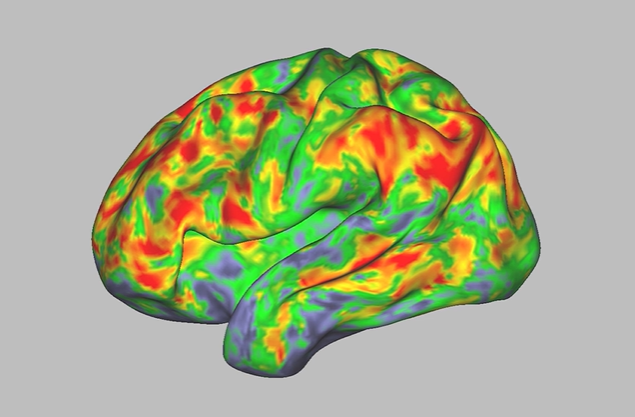
Psychedelics are able to make the brain more capable of changing, a term called neuroplasticity, which has a lot of researchers and clinicians excited about their therapeutic applications for neurological and mental health disorders. (Illustration courtesy of National Institutes of Health)
The Minnesota Legislature in 2023 created the Psychedelic Medicine Task Force, which was charged with evaluating whether we should expand access to psychedelic medicines here to help address the rampant mental health crisis.
The backdrop: Promising therapies like psilocybin-assisted treatments for depression, addiction and trauma are gaining traction towards approval by the Food and Drug Administration, and other states like Oregon and Colorado have already legalized therapeutic access.
Wait, what are psychedelics you might ask? They are a class of drugs made illegal (Schedule I status) in 1970 with the birth of the Controlled Substances Act by the Nixon administration. In the 1950s through about 1970, they were gaining traction at psychiatric clinics, where they were being used to treat mental health conditions and alcohol abuse. At the same time, the hippies were also using them as part of the countercultural movement that was protesting the Vietnam War and supporting the Civil Rights Movement. The Controlled Substances Act effectively launched the War on Drugs and halted progress on promising research into the therapeutic potential of psychedelics — like so-called magic mushrooms aka psilocybin — for decades, and made all those who use them criminals.
In recent years, however, there has been a surge of interest in psychedelic medicines for their potential to change the way the brain functions, potentially alleviating some of the most difficult-to-treat mental health conditions that are byproducts of neurological patterns that get stuck in a pathological cycle.
Psychedelics are able to make the brain more capable of changing, a term called neuroplasticity, which has a lot of researchers and clinicians excited about their therapeutic applications for neurological and mental health disorders.
Fast forward to 2026, when President Trump signed an executive order to accelerate access to psychedelic medicines. It also included a section directing federal agencies to develop a framework for state-federal collaboration, which was a response to the surge of psychedelic-focused legislation we’ve seen around the country in recent years.
All of this recent momentum made for a very productive legislative session on psychedelics. Several bills moved through the Legislature, though we came up short of our ultimate goal, which was to create a therapeutic access program with psilocybin mushrooms. We did manage to get passed a directive to the Office of Cannabis Management to implement a feasibility study and legislative report due Jan. 15, 2027. The report will outline a framework to implement a therapeutic psilocybin program with patients who have undergone screening and have a qualifying health condition.
Over the coming months, the Office of Cannabis Management will be working on their report about what the regulatory landscape will look like to develop and implement a state-regulated therapeutic psilocybin program.
Thanks to the leaders who participated in the Psychedelic Medicine Task Force, Minnesota already has a 200-page guidebook for legal, regulatory, scientific, cultural and ethical considerations for integrating psychedelic medicines into our society. It’s the result of 14 months of work by 23 members, and it can also serve as a national resource to help all states develop policies and programs related to this important work.
The point being: the Office of Cannabis Management does not have to start from scratch. It already has the report, the policy framework advanced by the House, testimony from patients, veterans, clinicians and families — and a clear signal that there is broad interest in getting this right.
The question of whether to create a psilocybin therapeutic access program is not about if, but how it will be implemented. We demonstrated this session that there is broad bipartisan support at the local, state and federal levels. Many states are considering legislation to determine how their state will address integrating psychedelic medicines into their systems of care, and Minnesota has an opportunity to be a leader and pioneer in this effort.
With so much promising research and support for psychedelic medicines, we should view what passed this session as a planning phase for action in 2027, for the Legislature to pass this access program and help Minnesotans heal from some of the most difficult-to-treat mental health conditions impacting so many of our friends and family.

Saint Paul, MN