Michigan’s students deserve more than a blank future
Jul 02, 2026 | 7:00 am ET

Description
Getty Images.
Daniel, who is in the class of 2026, loves building things, from robotics projects to the small engines he tinkers with in his uncle’s garage. He plays basketball with his brothers and has a quiet way of making everyone around him feel like they belong. Yet, he also told me early in the school year that he felt the paralyzing anxiety of staring at a blank future in which he just wanted to do “something.” I found myself repeating the mantra I’ve shared with so many other students without the proper tools to get to the next step after high school: “You can do anything.”
Daniel’s experience is not isolated. Nearly one in three high school graduates are unsure of their next steps after graduation. In Michigan, roughly one in three do not go on to enroll in any college or workforce training program within a year of finishing school. Daniel needed guidance about what his tomorrow could hold to give him the direction he needed to begin preparing for what comes next.
To be successful, students have to navigate a system built on inherited knowledge—like Free Application for Federal Student Aid (FAFSA) deadlines and enrollment deposits—that families, especially those whose children are the first to go to college, often do not possess. These barriers are not accidental; policy decisions and the end of affirmative action have deepened the disadvantages.
As a Teach Plus Michigan Policy Fellow, I have worked to combat this systemic inequity to ensure all students have access to postsecondary-focused courses. Students like Daniel don’t lack ambition; they have been denied access to the doors that only open with specific keys. We must close these opportunity gaps in our schools so that every student has the tools in high school to claim the future they don’t always realize is within reach. To make this happen, Michigan must act on three fronts.
First, the state must hire more school counselors and train them to ensure they have time and importantly, knowledge and information about various opportunities, to manage students’ paths after graduation. Michigan’s current counselor-to-student ratio sits at 570 to 1, more than double the national recommendation of 250 to 1. Had Daniel had access to a dedicated, knowledgeable counselor in his first several years in high school, that advocate could have helped him connect his passion for building to real career pathways long before his senior year.
Second, Michigan must expand dual-enrollment programs that allow high school students to take college courses, often at little or no cost, before graduating. Those who haven’t visited a college campus or experienced a higher education course have no way to visualize what it takes. Dual enrollment changes that. It gives students a glimpse of a future that they can hold on to before they commit to it. It was through a dual-enrollment advisor at a local community college that Daniel learned about manufacturing and engineering technology programs available to him. He was able to have real conversations that showed him in vivid color how he “can do anything.” All students deserve these experiences.
Third, the state should integrate a structured college and career readiness curriculum into the standard high school experience for all students. Career aptitude assessments, campus visit programs, and mentorship from first-generation alumni help students translate vague ambition into a specific and achievable plan. Daniel did not need someone to hand him a dream. He needed space and resources to actualize the aspirations that he already carried and to help define the potential that he holds within.
Daniel started the year unsure of the opportunities. He gained clarity as the months marched on with the guidance of our school’s college and career counselor, who chaperoned college visits. As the school year wound down, he decided to attend community college in the fall to take advantage of the Michigan Community College Guarantee, majoring in electrical manufacturing and computer-aided design. He will be the first in his family to get a higher education.
The shift from anxiety to ambition happens when the right resources are provided at the right time. Daniel was lucky as the pieces fell into place. Every student in Michigan deserves that same chance, and we cannot keep leaving it to luck.
The question is not whether our students are ready for their futures. The question is whether we are willing to build the roads that lead them there.
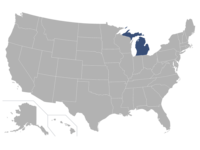
Lansing, MI