Most Kentucky opioid settlement money is not being spent, new report shows
Jun 30, 2026 | 1:45 pm ET
Description
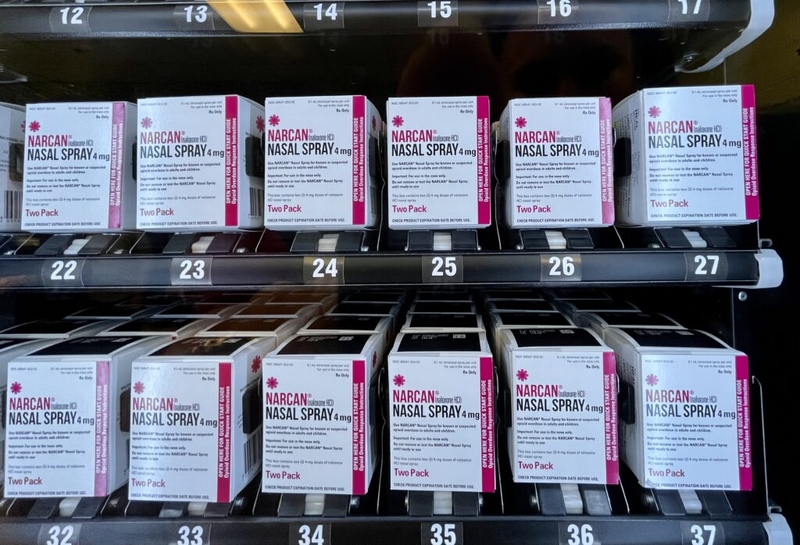
Narcan is an opioid reversal treatment.
(Kentucky Lantern photo by Sarah Ladd).
Kentuckians living with addiction can call Kentucky’s help line at 833-859-4357. Narcan, which can help reverse overdoses, is available at pharmacies for sale and through some health departments and outreach programs for free.
Local governments in receipt of opioid settlement dollars are sitting on most of the money, according to a Tuesday analysis from The Kentucky Center for Economic Policy.
The Kentucky Opioid Abatement Advisory Commission’s job is to distribute the state’s more than $900 million in opioid settlement funds. It has allocated more than $85 million to 130 organizations, according to its website.
But only about 10% of monies received between December 2022 and June 30, 2025 ($122.4 million) have been spent, according to the new analysis.
Center for Economic Policy staff reviewed 1,700 pages of financial reporting data obtained through open records requests, which they used to analyze settlement spending across the commonwealth.
Millions in opioid settlement ‘blood money’ headed to KY organizations
They found that half of Kentucky’s local governments spent nothing in the 2025 fiscal year. About a third of the localities with no expenditures didn’t provide an explanation for the lack of spending. A quarter said they were still in the planning process and some simply said they were “saving the funds to spend at a later date,” according to the report.
During a Tuesday morning virtual press conference, Ashley Spalding, a senior fellow at KyPolicy, said of the 70 counties that did spend about $12 million in settlement funding in 2025, nearly $2 million of that “was problematic spending on ineffective, unproven, and/or harmful responses.”
One example of “problematic spending” highlighted in the report was in Martin County, which spent $24,748 for two “Opioid Deputies” and $29,324 for gas for the Opioid Deputy, plus $7,807 to tow, repair and maintain the constable’s car.
An example of ineffective spending identified in the report was in Grayson County, which spent $25,000 for celebrity guest speaker basketball player Lamar Odom to talk at the high school.
Localities that engaged in “good spending” tended to invest more in community-led programs that provide access to harm reduction resources.
About $7 million of that went to “evidence-based approaches to preventing overdose deaths and repairing other harms of the opioid crisis” and the rest of the money was a mixed bag success, she said.
“Kentucky’s local governments must be proactive in investing their opioid settlement funds rather than holding onto them, and must ensure the monies are spent on programs and strategies that will save lives,” Spalding said.
By the numbers
Other takeaways in the report include:
- As of June 30, 2025, nearly $95 million in opioid settlement proceeds have been distributed to 120 Kentucky counties and $28 million to 149 cities.
- Kentucky’s local governments reported that they still have almost $110 million available to spend — $86.5 million for counties and $23.3 million for cities.
- Counties spent 8.5% of the amount they received, and cities nearly 17%.
- About 40% (50 out of 120) reporting counties had zero expenditures and an additional three reported spending of $20 to $30 for bank charges.
- Nearly 60% (88 out of 149) cities had zero expenditures and an additional city had just an $8 bank fee.
- Counties and cities received $29 million and spent $14.5 million in 2025.
- The median total expenditure amount for the 70 counties to receive settlement dollars in 2025 was $52,760.
- The median expenditure for cities that spent opioid settlement funds in FY 2025 was $11,040.
Last year, the number of Kentuckians who died from drug overdoses declined for the fourth year in a row, the Lantern previously reported.
Odell Hager, who works with several recovery organizations and runs his own, Leave A Light On Street Outreach, said changes to Medicaid “makes it harder for some people to access or stay in treatment.” In 2025, Congress cut Medicaid spending over 10 years by $880 billion as part of the sweeping One Big Beautiful Bill Act. Gov. Andy Beshear recently announced reductions in Medicaid reimbursements for providers.
On-the-ground harm reduction work is key to building relationships and saving lives and Kentucky needs more of that direct outreach, Hager said.
“The need for street outreach becomes even greater. That’s why opioid abatement funding should make harm reduction one of its highest and first priorities,” said Hager, who is himself in long term recovery. “This isn’t about choosing harm reduction instead of treatment. It’s about recognizing that they both work together. Harm reduction keeps people alive. Treatment helps people recover. Recovery helps people rebuild their lives.”
Frankfort