Governor directs state to reimburse local governments for gas tax holiday revenue
Jun 30, 2026 | 6:15 am ET
Description
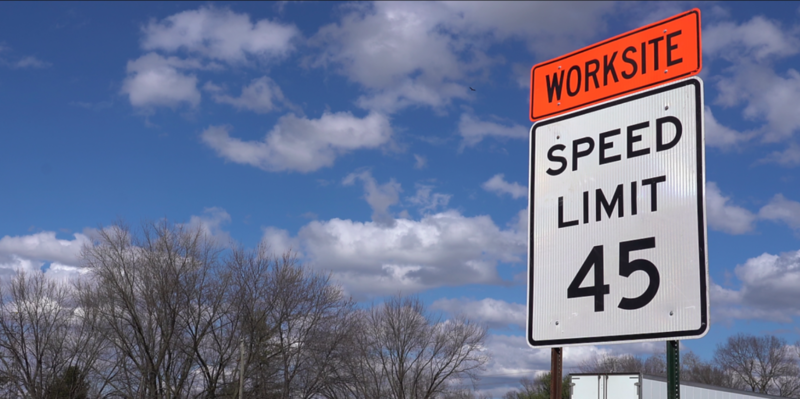
Local communities will be spared revenue losses from Indiana's suspension of gas taxes. (Photo courtesy of Indiana Safe Zones)
Gov. Mike Braun’s administration will make local governments whole for any gas tax revenues lost due to his suspension of Indiana’s fuel taxes since May, according to a Tuesday news release.
State Budget Director Chad Ranney will bring the formal request to transfer funds from the State Highway Fund for April and May to the Board of Finance on July 21. Once the transfer is approved, local governments are expected to receive distributions from the Comptroller’s Office within five to seven business days, the news release said.
“This is only possible because Hoosiers demand commonsense fiscal management, and we’ve delivered,” Braun said. “We are running government more efficiently and as a result, we have the resources to offer tax relief while supporting local partners.”
Hoosier drivers have been saving up to 62.5 cents per gallon in both sales and gas tax eliminations.
Braun first declared an energy emergency on April 8, temporarily lifting the state’s sales tax on gasoline. He sought to offset the rapidly escalating cost of fuel after the U.S. and Israel went to war with Iran, which closed the Strait of Hormuz — a key transit hub for oil imports.
The governor extended the suspension for another 30 days through a second executive order May 6, this time lifting the state’s 36-cents-per-gallon excise tax too. In June, Braun extended both another 30 days through July 7.
The 30-day tax suspensions, combined, are expected to cost the state $104 million and local units $52 million. Braun’s initial 30-day suspension of the 7% sales tax on gasoline came at a separate $50 million revenue hit.
Braun indicated the state’s energy emergency statute grants him the authority to extend both gas tax suspensions through early August, if needed, before legislative action is needed.
Braun adds Indiana gas tax suspension on top of sales tax break
The Board of Finance — consisting of the state budget director, comptroller and treasurer — can make budgetary transfers during the fiscal year.
“The Comptroller’s Office is committed to serving as a trusted partner to Indiana’s local governments by ensuring these distributions are processed accurately and without delay,” Comptroller Elise Nieshalla said. “We understand the importance of timely revenue distributions, and we remain focused on delivering taxpayer dollars with the transparency, accountability and fiscal stewardship Hoosiers expect.”
Similar requests will be made at the August and September Board of Finance meetings, as needed. Local governments are expected to be made whole no later than November 1.
Some communities feared a loss of revenue and were delaying projects, even though Braun had previously promised to pay them back.
Matt Greller, executive director of Accelerate Indiana Municipalities — the statewide organization representing cities and towns — said in a recent Capital Chronicle commentary that it was the right thing to suspend the gas taxes and provide relief to Hoosiers.
But, he said that the Indiana’s transportation network “depends on revenue generated by the sale of gas. These funds support roads, streets, and the physical infrastructure you and I use every day. The challenge is making sure temporary relief does not unintentionally cause a pendulum swing that brings higher long-term costs for the same Hoosier taxpayers.”
The state’s latest revenue forecast from December projected state reserves growing to $3.4 billion by June 30, which is the end of the current state fiscal year. Indiana ended the last fiscal year with $2.7 billion in reserves.

Indianapolis, IN