Work zone speed camera fines in WA rise to $125 on July 1
Jun 30, 2026 | 7:00 am ET
Description
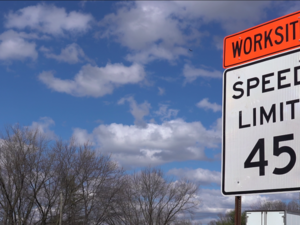
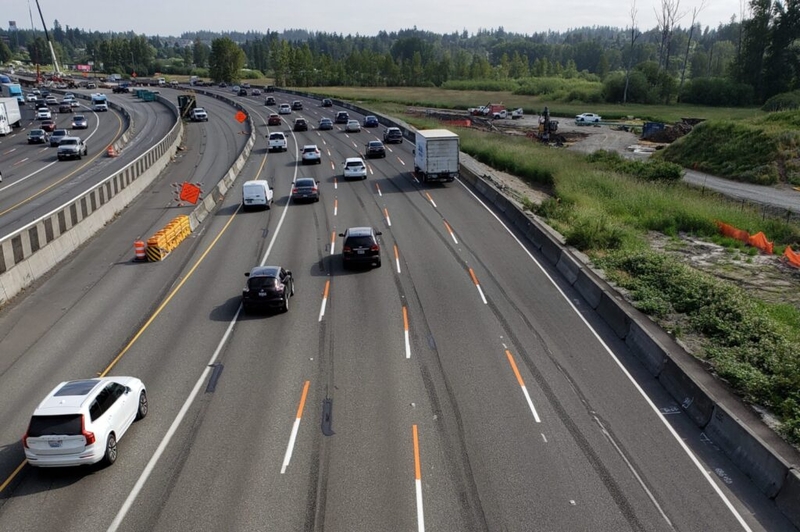
Speeding through a work zone will now cost Washington drivers $125, if caught by the state's speed cameras launched last year. (Photo courtesy of the Washington State Department of Transportation)
Drivers caught on camera speeding through highway work zones in Washington will face $125 penalties starting this week, after the state issued tens of thousands of warnings in the past year.
Until now, drivers got away without a fine the first time the new speed cameras recorded them zooming through a work zone. This resulted in over 85,000 infractions issued statewide since April 2025, with over 77,000 going to first-time violators, according to the state Department of Transportation.
The $125 fines will begin July 1. Subsequent infractions are worth $248.
The trailer-mounted cameras have rotated through highway work zones across Washington since their launch last spring. Enforcement began on Interstate 5 near Joint Base Lewis-McChord. In this spot, more than 60% of drivers were speeding through the work zone before the cameras. That dropped to as low as 30% with enforcement, according to the state.
Officials say the cameras reduce speeds in work zones, where reckless driving can threaten vulnerable workers. Dozens of crashes per year result in fatal or serious injuries in work zones, according to state data. In total, 2025 saw over 1,500 work zone-related crashes, a slight decrease from the previous year.
“Slow down when you see a work zone — for your safety and for every person trying to do their job taking care of our roads,” Secretary of Transportation Julie Meredith said in a statement. “Protect them the way you’d want someone to protect you and your loved ones.”
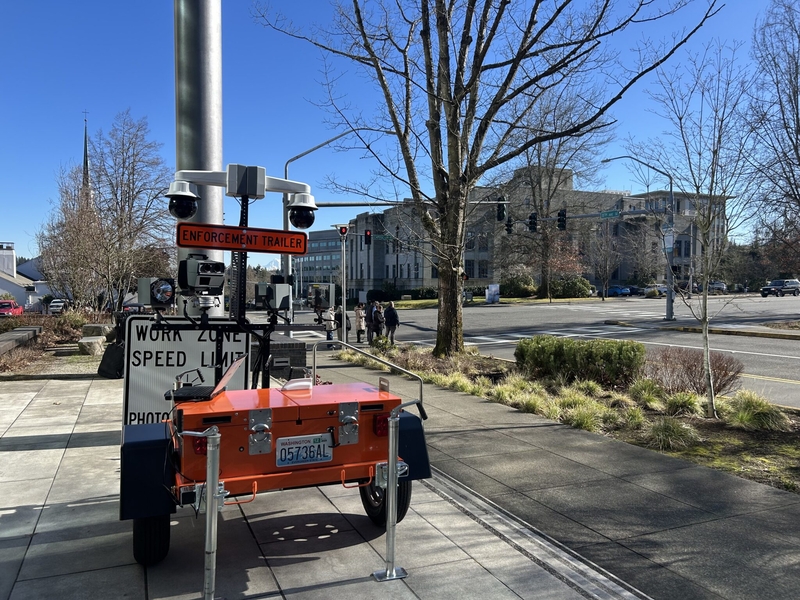
The cameras spot cars going over the speed limit, and take pictures of the vehicle and its license plate. The photos don’t capture faces. The information goes to state troopers, who review the images and mail infractions to drivers within 30 days. The cameras are only turned on when workers are present, which can be any time of day. Signage lets drivers know the cameras are there.
Tickets have to be paid or contested online, by phone or by mail. People can appeal the penalties to the state Office of Administrative Hearings. The infractions are logged as non-moving violations, so don’t impact driving records. Unpaid fines are added to vehicle registration renewals.
The state has expanded its use of the cameras as the program has continued, with 15 expected to be operating by 2027. The cameras recently arrived in eastern Washington for the first time, as part of a paving project on Interstate 90 near Spokane.
Early this week, they were planned in eight locations on I-5, I-90, I-405 and state routes 18, 509 and 522. They’ve so far been deployed at roughly 50 job sites.
The state’s transportation budget passed in 2025 counts on $138 million from the cameras over the next six years. The money goes toward keeping the program afloat, along with supporting drunk driving patrols and other safety programs.
The program is set to end in 2030, unless the Legislature extends it.
Work zone traffic safety has been a focus in recent years. Last year, lawmakers in Olympia also approved legislation requiring an online course on work zone and first responder safety as a prerequisite for getting a driver’s license.
Wednesday marks the beginning of a new state fiscal year and with it, the state is also upping its gas and diesel taxes 1.1 cents each. And a new 0.5% sales tax is being imposed on recreational boats.
Olympia, WA