Vermont is first state to ban toxic herbicide paraquat, as others may follow
May 27, 2026 | 3:53 pm ET
Description
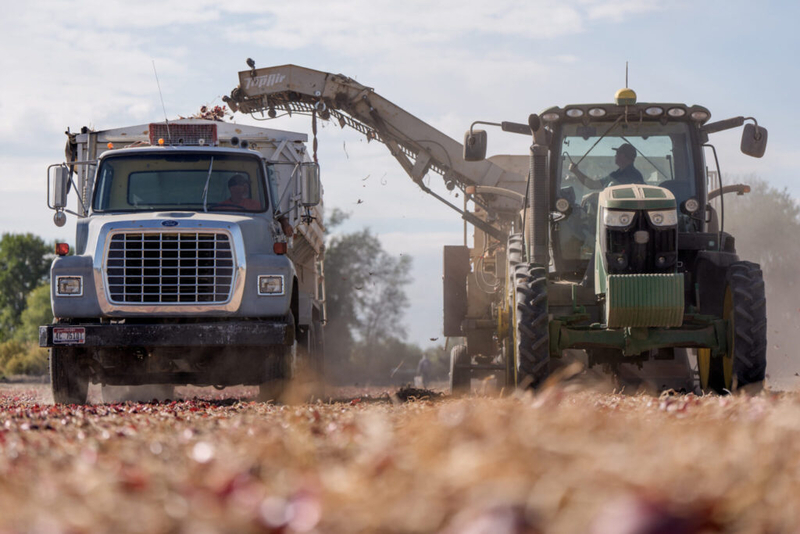
A Utah farmer harvests crops on his family’s farm in Weber County in September 2025. Vermont became the first state to ban the use of a toxic herbicide used on crops across the country. (Photo by Spenser Heaps for Utah News Dispatch)
Vermont became the first state to ban the use of the highly toxic herbicide paraquat after Republican Gov. Phil Scott signed Democratic-sponsored legislation this week.
Vermont’s new law bans the sale or use of paraquat without explicit approval from the secretary of agriculture. Widely used to control weeds in major crops across the country, that chemical is linked to Parkinson’s disease.
More than a dozen states have recently introduced legislation to ban or limit the use of paraquat, according to The Council of State Governments.
“With Vermont leading the way, states across the country now have a clear path to end the use of one of the most toxic herbicides still on the market,” Geoff Horsfield, legislative director for the Environmental Working Group, said in a news release. “This is a turning point in the effort to protect public health from a chemical that has been tied to devastating neurological harm.”
Nitrate contaminates the drinking water of millions of Americans, study finds
The nonprofit research and advocacy organization has been pushing for an end of paraquat use, which is banned in more than 70 countries.
Lawmakers in nearby New Jersey, New York and Pennsylvania are also considering paraquat bans. And bills to ban or limit its use have been proposed in Hawaii, Iowa, Illinois, Minnesota, Missouri, Utah, Virginia, Washington and West Virginia.
The U.S. Environmental Protection Agency says paraquat is one of the nation’s most widely used herbicides. But because of its inherent risks, only certified individuals may apply the herbicide and the agency warns against using it near home gardens, schools, parks, golf courses or playgrounds.
“Paraquat is highly toxic,” EPA’s website says. “One small sip can be fatal and there is no antidote.”
Contact to the skin, swallowing or breathing the herbicide can cause lung damage, heart failure, kidney failure and has been linked to certain cancers.
Agricultural giant Syngenta has faced thousands of lawsuits from people claiming the company did not warn consumers of the dangers of its weedkiller Gramoxone, whose key ingredient is paraquat.
In March, Syngenta announced it would end global production of paraquat by the end of June.
Stateline reporter Kevin Hardy can be reached at [email protected].