32 dogs seized from Iowa breeder who allegedly blocked inspections of her business
Jul 02, 2026 | 4:09 pm ET
Description
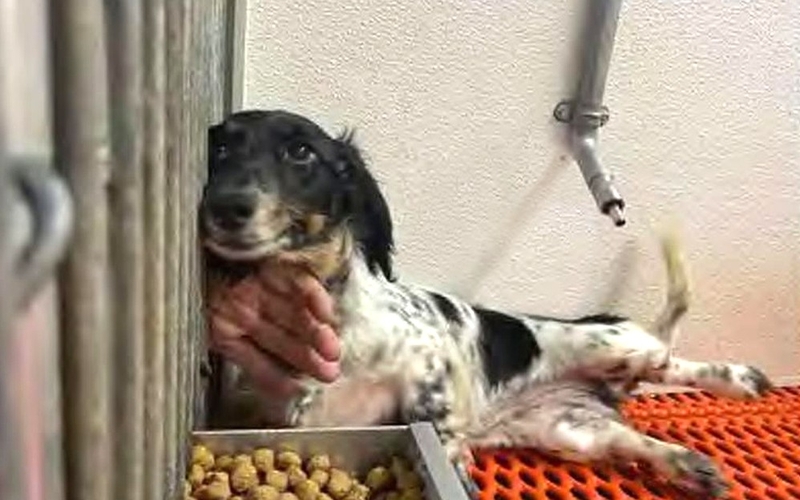
A dog at Wuanita Swedlund's kennels in Farmington, Iowa, as photographed by USDA inspectors in 2024. (USDA photo as reproduced in U.S. District Court records)
Law enforcement officials have seized 32 dogs from an Iowa breeder already facing civil charges related to inspections of her facility in Farmington.
The dogs were seized Tuesday from the property run by licensed dog breeder Wuanita Swedlund. They were taken to the PAW animal shelter in Fort Dodge, where they are receiving medical attention.
The seizure occurred days after the U.S. District Court for the Southern District of Iowa issued a restraining order against Swedlund, clearing the way for federal inspectors to gain access to the property. The U.S. Department of Justice had sought the order, alleging Swedlund had repeatedly violated the federal Animal Welfare Act (AWA) by refusing to grant U.S. Department of Agriculture officials access to her business so they could inspect the facility, its records and its animals.
As a result, the government claimed, USDA officials had been unable to inspect the business or view the animals in Swedlund’s care since December 2024.
“We filed this action to ensure that USDA inspectors had the opportunity to assess the care dogs were receiving at a breeder’s facility in Iowa,” said Principal Deputy Assistant Attorney General Adam Gustafson of the Justice Department’s Energy and Natural Resources Division. “As a result of the district court’s order, federal and state inspectors found numerous AWA violations and moved 32 dogs to facilities that will give them the care they need. The AWA sets clear standards for the humane treatment of animals, and we are committed to ensuring those standards are enforced.”
USDA General Counsel Tyler Clarkson said the case demonstrates the USDA’s commitment to “working closely” with the U.S. Department of Justice to enforce the Animal Welfare Act.
Swedlund has yet to file a response to the DOJ’s lawsuit, and the Iowa Capital Dispatch has not been able to reach her for comment.
We could see the fleas crawling on these puppies even before we picked them up. That is really dangerous for puppies because fleas can just suck the blood right out of them and the puppies become anemic.
According to the USDA, Swedlund has engaged in a pattern of violating the AWA while operating the Farmington dog breeding facility. Prior to Tuesday’s seizure, inspectors with the USDA’s Animal and Plant Health Inspection Service had tried, without success, to access the facility seven times over the previous 10 months, the government’s lawsuit alleged.
Prior to that, the USDA’s APHIS inspectors had cited Swedlund for at least 25 violations since she received her license in 2023. Inspection reports show those violations are tied to the deaths of puppies, the failure to treat obvious injuries and medical conditions, keeping the dog enclosures covered in feces, and leaving dogs without access to drinking water.
After the court issued the temporary restraining order last week and inspectors from APHIS and the Iowa Department of Agriculture and Land Stewardship gained access to the Farmington facility, they cited Swedlund for “dozens” of additional violations, according to the U.S. Department of Justice.
Based on the results of that inspection, state officials obtained a search warrant and took possession of the 32 dogs.
Shelter director: Puppies ‘covered in fleas’
Sandy Brown, the director of the PAW shelter — the shelter’s name is an acronym for Protecting Animal Welfare — said Thursday she was with law enforcement at the Farmington facility when they seized the 32 dogs as well as a rabbit and a cat that were in Swedlund’s care.
“When you entered the building, you couldn’t even see the floor, there was so much stuff — trash, trash and more trash, plus clothing and newspapers — just everywhere,” she said. “There was air conditioning downstairs, but then we proceeded upstairs and it was so hot up there. There was one dog in a bathtub. There were three or four other dogs in the bathroom inside kennels. In the kitchen — you wouldn’t have wanted to even drink water from that kitchen — there were two mamas with babies… There was a rottweiler puppy and two other dogs inside a garage and it was so, so hot in there.”
Brown said her primary concern is with the 12 or 13 puppies that are four to five weeks old, since “all of those puppies were just covered in fleas. We could see the fleas crawling on these puppies even before we picked them up. That is really dangerous for puppies because fleas can just suck the blood right out of them and the puppies become anemic. And then there’s all the usual things we see in cases like this — the long, dirty, matted hair and the long toenails.”
Brown said the shelter is focused on getting the animals healthy, but at some point, once their ownership is decided by the courts, they could be offered for adoption.
“People sometimes have a tendency to get excited and celebrate when these seizures happen, but this really is the point at which all of the hard work begins,” she said. “From here on out, it becomes a very expensive, labor-intensive process to make sure the animals all get a haircut and are happy and healthy and are on their way to finding a proper home. And right now, a lot of shelters are really struggling because they don’t have the volunteers, the funding or the staffing.”
Lawsuit alleges ‘puppy laundering’
Past USDA inspection reports have pointed out Swedlund’s affiliation with another Iowa dog breeder accused of numerous regulatory violations, Steve Kruse, and the fact that federal law prohibits breeders and dealers from routing animals through multiple license holders.
In a pending lawsuit filed against the USDA by the American Society for the Prevention of Cruelty to Animals, the animal-welfare organization claims the USDA “improperly approved” the licenses of two of Kruse’s Iowa associates, Swedlund and Brian Lichirie, despite “full knowledge of the relationship between the parties.”
That lawsuit alleges that despite the Animal Welfare Act’s clear prohibition against issuing more than one license to a dog dealer, Lichirie and Swedlund each held their own license while operating kennels populated by dogs owned by Kruse.
Such arrangements are prohibited by the USDA since they can result in puppy laundering — the process of routing dogs from a serial violator to a different licensee with a relatively clean record, in order to facilitate sales to retailers in jurisdictions that ban the sale of dogs sourced from questionable operators.
The ASPCA claims the USDA wrote to Kruse 10 years ago, in 2016, to inform him that federal law required him, Lichirie and Swedlund to operate under a single license. When Kruse failed to take corrective action, the ASPCA claims, the USDA continued to renew his license and never took any steps to revoke the licenses of either Lichirie or Swedlund.
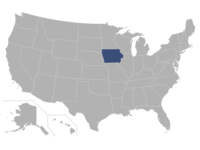
Des Moines, IA