NJ Assembly panel advances bill aimed at nuclear power expansion
May 29, 2026 | 7:00 am ET
Description
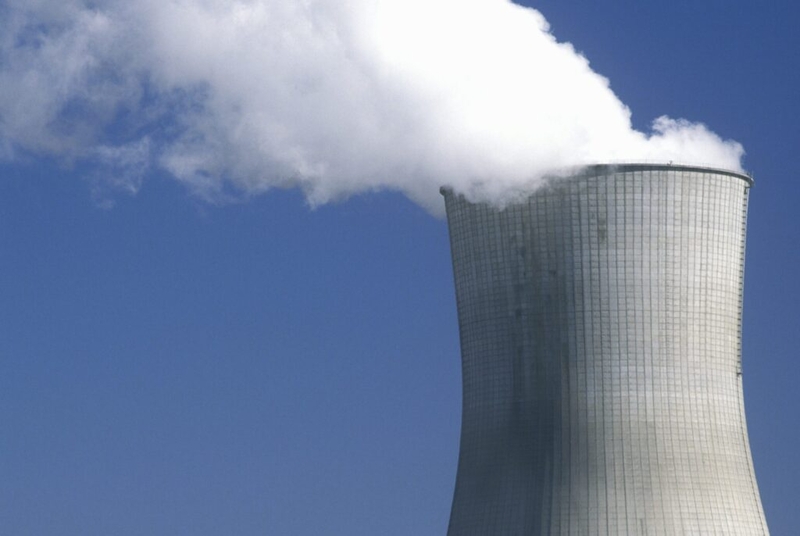
The bill would direct New Jersey's energy regulator to start bidding for at least 1,100 megawatts of nuclear power capacity to ease a price crunch. (Stock photo by Joe Sohm/Getty Images)
A legislative panel approved legislation Thursday that would direct the state’s energy regulators to begin soliciting bids for new nuclear power plants in the state.
The Assembly’s utilities committee approved the legislation in a unanimous vote despite concerns from some that it would saddle ratepayers with further cost increases at a time when high energy prices are already squeezing households.

“Advanced nuclear technology has the potential to strengthen our energy infrastructure, support good-paying jobs, and provide a stable source of power that can meet future needs,” said Assemblyman Wayne DeAngelo (D-Mercer), the panel’s chair and the bill’s sponsor.
The bill, which has not been heard in the Senate since its introduction two weeks ago, would create a subsidy structure to aid the construction of at least 1,100 megawatts of nuclear electricity generation.
Under that structure, the state Board of Public Utilities would direct the state’s electric distribution companies — firms like PSEG and Atlantic City Electric — to purchase a certain number of certificates each year to fund nuclear projects in the state.
Opponents said they fear the costs of those certificates would be borne by ratepayers on utility bills. They argued it should instead be carried by artificial intelligence data centers whose massive energy demands have prompted recent rate spikes.
“Generation is important. The problem here is what we’re doing is we are saying ‘data centers caused a problem, and the ratepayers are going to pay for the solution,’” said Rate Counsel Brian Lipman, whose office advocates for ratepayers in matters before the state utilities board. “That is not appropriate.”
Provisions that lock in subsidy levels for 40 years could see ratepayers overpaying for energy if prices fall in the coming decades, Lipman said. Lawmakers should add language that would allow the utilities board to abandon nuclear projects if they grew too costly, he added.
Gov. Sherrill signs bill to end de facto moratorium on new nuclear plants
Union and business groups argued nuclear projects would bring reliable, consistent electricity generation at a time of dire need and create jobs as the country’s economy stagnates with rising inflation and unemployment.
Those benefits justified the project’s high costs, said Adam Neuman, president of the International Brotherhood of Electrical Workers local 94.
“Is it expensive? Yes, it is. There’s a lot of reasons for that,” he said. “It is 24/7/365 baseload power — day, night, weekend, rain, snow — and it is an economic powerhouse.”
The PSEG nuclear plants in Salem County employ more than 1,600 people and are the largest employers in that county. They also provide about 40% of New Jersey’s in-state power generation.
Other speakers opposed nuclear investments because of the high costs and long timelines associated with the projects, arguing that wind, solar, or storage projects could more quickly deliver generation that could cut consumers’ electricity rates.
Nuclear power plants take at least a decade to build, and a bevy of logistical and manufacturing challenges could balloon those timelines or price tags further.
Construction of two new units at the Vogtle Electric Generating Plant in Georgia, for example, finished seven years behind schedule and more than $18 billion over budget.
“‘All of the above’ is not a solution to the affordability crisis or the climate crisis. Not all power sources are created equal in terms of how much they cost environmentally and financially, how quickly they can become online, and the like,” said Dave Pringle of Empower New Jersey. “Best case scenario, nukes take 10 to 20 years to get online.”
Trenton, NJ