New Mexico rises from last to 49th in child welfare in national KIDS COUNT survey
Jun 08, 2026 | 5:39 pm ET

Description
The annual national KIDS COUNT report released June 8, 2026, showed New Mexico improving from last to 49th overall, but advocates cautioned that the state remains vulnerable to federal cuts and education gaps. (Getty Images)
New Mexico no longer ranks last in child welfare, according to an annual report published Monday comparing children’s wellbeing in all 50 states, but has risen to 49th.
The Annie E. Casey Foundation’s KIDS COUNT report found that New Mexico policies such as higher state tax credits for families helped decrease child poverty between 2019 and 2024, but the state remained last nationwide in education and family measures. New Mexico and Mississippi have oscillated between the last and second-to-last spaces since 2012, the earliest comparable year to other reports. New Mexico ranked last for the past four years.
The KIDS COUNT report analyzes a combination of 16 measures across four topics: economic; family and community; education; and health measures, but has a two-year data collection lag.
Advocates with New Mexico Voices for Children, the Albuquerque-based partner organization that helps conduct the study and develops related policy, said that New Mexico’s progress lowering child poverty from 25% to 22% — the lowest rate in 16 years — marked an important step.
“We’re happy to be able to say we’re slowly moving forward and chipping away at child poverty,” Emily Wildau, the director of policy for NM Voices for Children, told Source NM.
According to the new report, one factor that helped the state’s ranking is its child tax credit, which provides up to $600 per child and affected approximately 292,000 families, helping to provide financial stability for New Mexicans.
Wildau said the state has shown some improvement, including lowered children and teen death rates since 2023, and a “stabilization” in the number of children without health insurance.
New Mexico’s lower cost of living also means fewer children live in cost-burdened homes, defined as ones in which adults have to spend one-third or more of their expenses on housing: 27% versus the national average of 31%.
However, Wildau said the state’s “fragile progress” recorded two years ago may no longer reflect current reality, given federal cuts to federal food and healthcare programs.
“We’ve seen a war start that is causing the prices of gas to really skyrocket for families,” Wildau said, “A lot of the inflationary factors are starting to rise again; we know that we are in a very different situation now than we were two years ago.”
She cautioned that the ranking itself “does not tell the whole story” about New Mexico’s larger systemic challenges.
She also emphasized that state policy is one of the most important areas to shape kids’ lives, and said the organization wants to build on the state’s new universal childcare program with the next administration.
“Raising the minimum wage is the number one thing that will improve the rate of children in poverty in our state,” Wildau said. “I think it would be great to bring that forward to whomever our new governor is moving into the next session.”
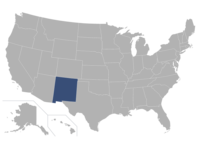
Santa Fe, NM