Idaho state, healthcare, tribal leaders meet to advise process for millions in rural health grants
Sep 23, 2026 | 8:22 pm ET
Description
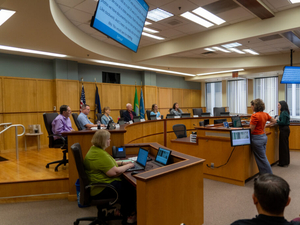
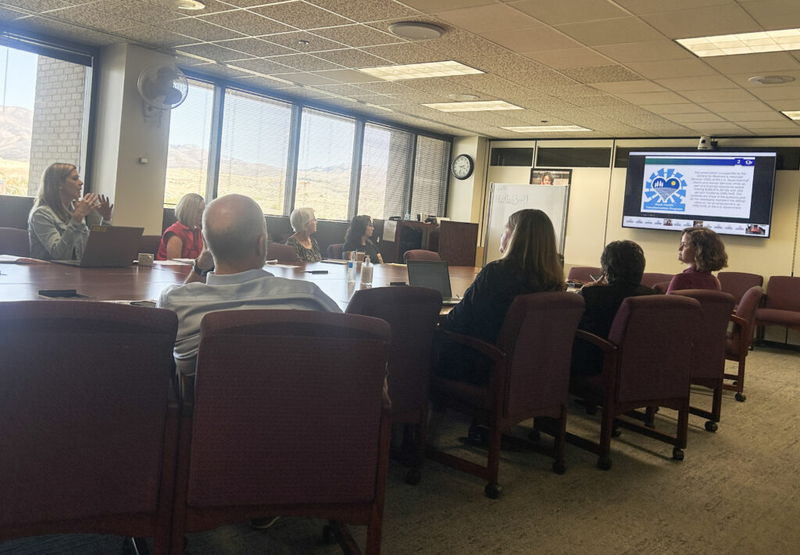
The Idaho Rural Health Transformation Program Implementation Task Force meets on Sept. 23, 2026, in Boise. (Photo by Laura Guido / Idaho Capital Sun)
A group of rural Idaho hospital leaders, state officials and tribal representatives met for the first time Wednesday to oversee the process of awarding nearly $190 million in federal rural health grants.
The Idaho Rural Health Transformation Program Implementation Task Force received an update on the state’s administration of the federal Rural Health Transformation grant program — a nationwide $50 billion, five-year federal grant Congress approved through the One Big Beautiful Bill Act last year.
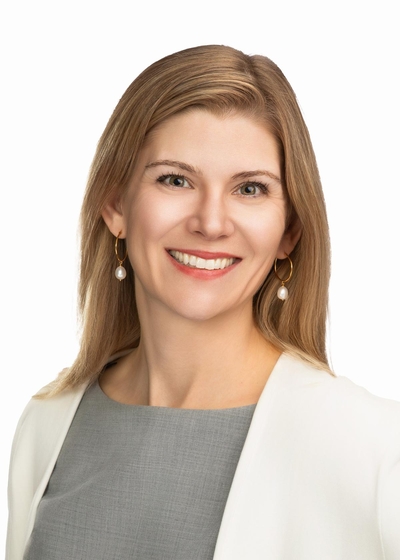
“We are building and flying the plane at the same time. That feels like it’s been the consistent theme of this,” Idaho Department Health and Welfare Director Juliet Charron said Wednesday.
The task force is meant to provide input on the process of implementation, help navigate potential challenges, and ensure the state is balancing statewide initiatives with actual needs of rural communities, Charron said.
The nearly 20 funding opportunities posted by the state have closed, and Health and Welfare staff are reviewing applications to award subgrants. The opportunities include funding to provide school-based family support, chronic disease prevention and cancer screening, a cognitive care network, and diabetes prevention and management. The agency awarded national nonprofit Comagine Health with a grant to create a collaborative system to improve maternal and child health statewide, according to the program website.
The state is nearing an Oct. 30 deadline to award all of the $186 million received for the first year of the program.
“It is going to be a very, very tight timeline coming up to the end,” Charron said.
For a health provider infrastructure opportunity, which will be about $97 million of the total grant, Charron said the agency received more than 250 applications asking for a total of more than $300 million.
“That means that we will have to say no to some,” she said.
Idaho submitted its first required report to the federal Centers for Medicare and Medicaid, which is overseeing the program, on Aug. 31. The report will help determine how much funding the state gets in the second year of the five-year program.
Charron said that the state hasn’t heard feedback on that report yet.
Idaho’s received sightly less funding because of low rural population density
When Congress approved the funding, it split the $50 billion into two allocation methods. Half of the money was split equally among all 50 states. The remaining $25 billion was to be distributed based on certain metrics.
Idaho’s low population density in rural communities and low density of rural healthcare providers were “challenges” for the scoring criteria, Charron said
“Centers for Medicare and Medicaid had very specific criteria to drill down into: What does rural healthcare delivery look like in that specific state? And this is where we were a bit challenged, frankly, because we are so frontier in our state,” she said.
Idaho scored highly for its existing state policies that align with Trump administration priorities, Charron said, including commitments to encourage the presidential fitness test in rural schools and changing the Supplemental Nutrition Assistance Program, or SNAP, to ban purchases of candy and soda with it.
Weiser Memorial Chief Executive Officer Beau McNeff asked why it was that Alaska, which also has low population density, received more than $272 million for the first year and Idaho received less than the expected $200 million.
“That is a phenomenal question that I don’t think I can opine on,” Charron responded. “But I think that is probably a better question for our colleagues at CMS. But I would say that we have shared your question.”
Boise, ID