High Oil Prices Hammer HECO Customers. Here’s Why
Jul 30, 2026 | 6:01 am ET
Description
Photo courtesy of Honolulu Civil Beat
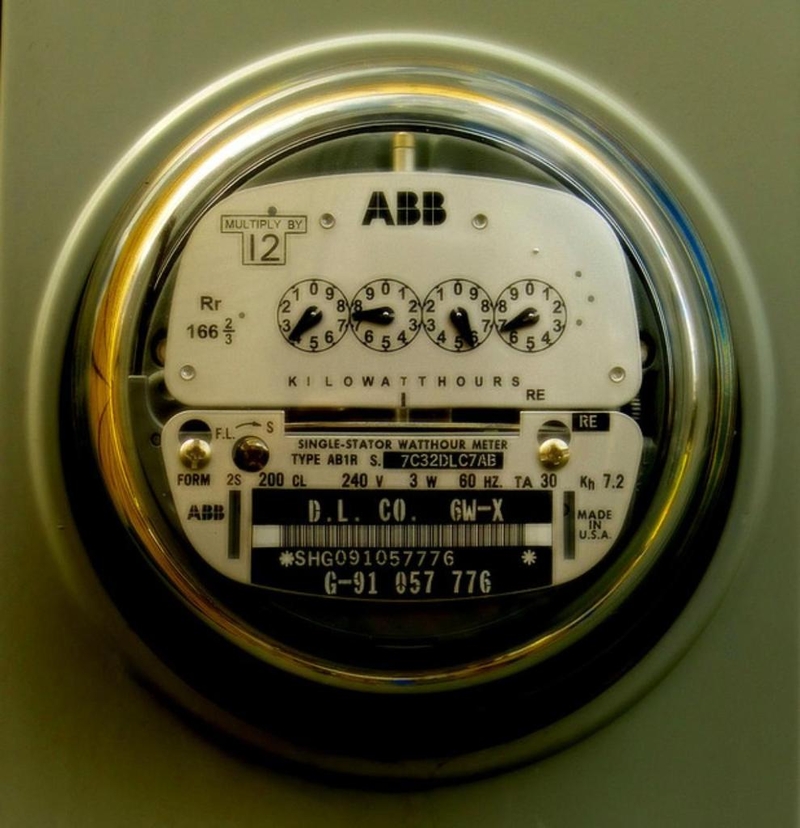
For Mateo Manzari, the war in Iran means more than higher prices at the gas pump. Manzari is also taking a hit on his electric bill, which surged to $273 in June compared to $222 a year ago. It's baffling to the Maui real estate broker, who says he's actually cut back on his power use.
"It just doesn't make sense," he said.
Mazari’s experience underscores a painful truth for all of Hawaiian Electric Co.'s 474,000 statewide customers. Unlike other major U.S. utilities, HECO primarily uses oil to power its generators. When oil prices go up, so do electric bills, making life even harder for residents struggling to get by in a state with the nation’s highest cost of living, including electricity rates that are the nation's highest -- and nearly three times the national average.
Oil is trading at close to $90 per barrel these days thanks to the Iran war compared to $65 to $70 a year ago. As a result, the average monthly residential bill rose 27% from June 2025 to this year on Maui and 30% on Oʻahu. Lānaʻi has it worst, up 55%, an average increase of more than $100 a month.
Manzari finds validation for his frustration in scores of angry posts on the social media platform Nextdoor. He doesn’t relish publicly railing against the monopoly that supplies his electricity, he says. But he doesn’t know what else to do.
"I figure I'm going to put a target on my back," he says. "But I'm going to go out swinging."
HECO says it understands Manzari's concerns.
"We understand the cost of living in Hawaiʻi is already high, and any increases are difficult for our customers," HECO spokesman Darren Pai said. "We work hard to reduce costs, add more renewable energy and make electricity as affordable as possible for our customers.”
Bills Reflect Higher Oil Costs
While Hawaiʻi has made strides developing solar and wind projects, combined with big batteries to store electricity, Hawaiʻi still depends largely on oil – far more than any other state. While utilities on the continent have access to pipelines supplying less costly natural gas, as well as nuclear energy and coal, to bolster renewable portfolios, those aren't options here.
So HECO customers are stuck paying for oil. Fuel costs make up about half of a customer’s electric bill, so when the price of oil goes up, so does the bill – in a big way. When Manzari’s $273 bill for June came in, for instance, $160 of the bill was for oil, itemized as “energy cost recovery.”
HECO's confidentiality polices prevent it from commenting on customer bills, Pai said. He provided data for typical households showing the grim reality: prices eased from June 2024 through June 2025, only to spike even higher as the U.S. went to war with Iran.
Hawaiʻi is now at a crossroads. State law requires all electricity sold in the state to be produced with renewables by 2045 and HECO is making progress toward that goal. In March, the utility said it had increased its use of renewables across the islands to 37%, putting it on track to reach an interim goal of 40% by 2030.
Earlier this month, the company announced it had finalized contracts with developers of two new solar farms, on Oʻahu and Maui, and that it was in negotiations over seven more contracts. HECO also has structured its oil purchase contracts to mitigate price spikes.
The question is what to do for the next two decades.
HECO plans to upgrade an existing power plant with modern generators that will initially burn a mix of oil and more expensive, renewable biodiesel until 2045, when the plant will switch to all renewables. That would reduce the power plant's dependance on oil, but likely means even higher fuel costs for customers.
What Are The Alternatives?
Gov. Josh Green wants to address high electricity costs by bringing natural gas into the mix, at least for Oʻahu. Green has entered a non-binding strategic partnership agreement with Tokyo-based JERA Co., Inc., which wants to build a 500-megawatt power plant fueled by natural gas. The Japanese energy giant builds power plants, has subsidiaries that trade and ship super-cooled liquefied natural gas and vows that it can cut costs for Oʻahu consumers.
JERA, however, has not yet submitted a formal report to the Hawaiʻi Public Utilities Commission detailing its plan, including how it would mitigate the consumer impact of fluctuating LNG prices.
Others argue that Hawaiʻi doesn't need new or upgraded power plants at all -- regardless of what type of fuel the plants would use. University of Hawaiʻi economist Michael Roberts made that case in a widely publicized paper that he later withdrew after HECO and others challenged his findings. Roberts said he would republish the paper after reviewing his research and findings.
In the meantime, consumers like Manzari face nothing but steadily rising costs. When Manzari first moved into his two-bedroom condo in South Kīhei in 2015, he says, he paid about $80 per month. Now he pays more than three times that much, despite being mindful about doing laundry and keeping his air conditioner thermostat set at 78 degrees.
Years ago, Manzari said, he researched getting photovolatic solar panels for his condo complex, but the design of the complex's roofs made solar companies reluctant to take on the job. HECO -- and its high prices -- are the only options, Manzari said.
"At this point," he says, "what can we do?"
Honolulu, HI