Fine Print Reveals Who’s To Blame For North Shore Flooding — To An Extent
May 27, 2026 | 6:01 am ET
Description
Photo courtesy of Honolulu Civil Beat
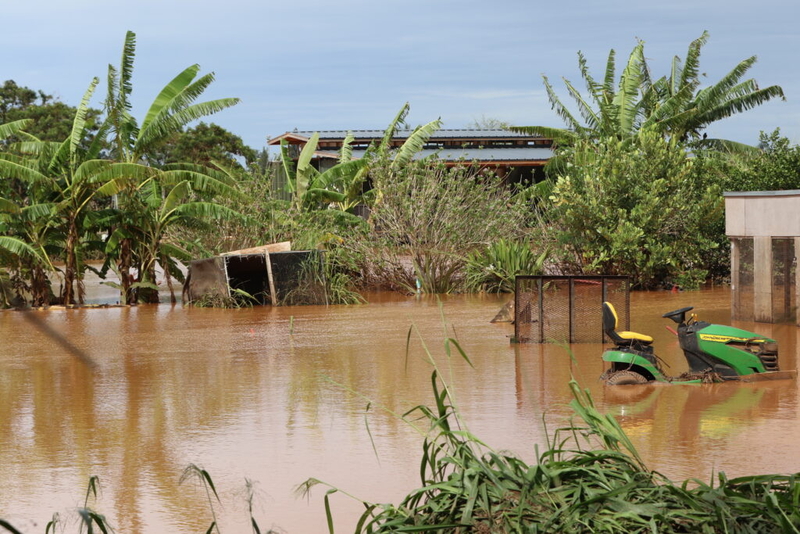
Identifying who is responsible for the extensive damage from the March floods across hundreds of acres of farmland in Waialua and nearby homes is a laborious task, with ownership and obligations buried in a decades-old quagmire of paperwork and land deals.
The miles of irrigation lines and drainage ditches that contributed to the floods are leftovers from Hawai‘i’s plantation era that began in the mid-19th century. Gone are the days when the Waialua Sugar Co. owned the whole system and oversaw its upkeep. About a decade ago, the state considered acquiring much of those lands but the plans fell through, leaving a patchwork of property rights and questions about responsibility.
Choked by invasive grasses, these neglected waterways turned into dams during the back-to-back Kona low storms. Trees were even growing out of some of the abandoned ditches, now framed by tall mounds of dirt and debris left behind by a trillion gallons of rainwater that had nowhere to go.
To better understand where responsibility for what inevitably followed falls, Civil Beat reviewed hundreds of property transactions between Dole Food Co., its predecessors such as Waialua Sugar and related companies and property owners and farms on the North Shore.
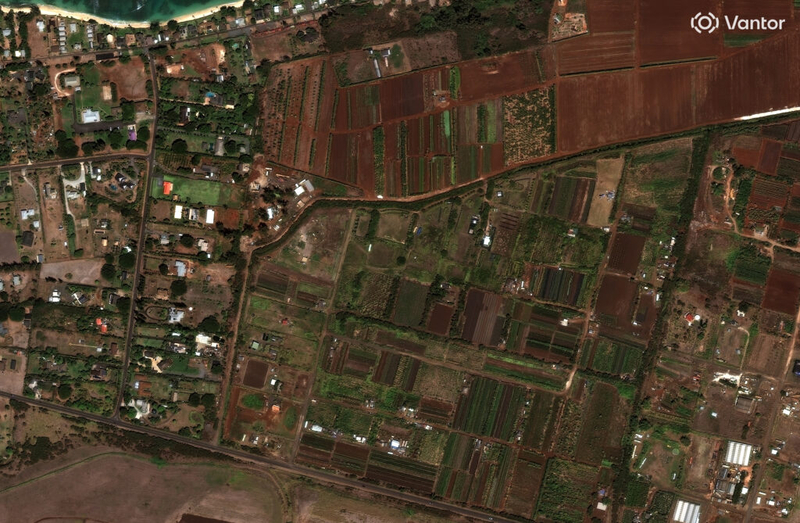
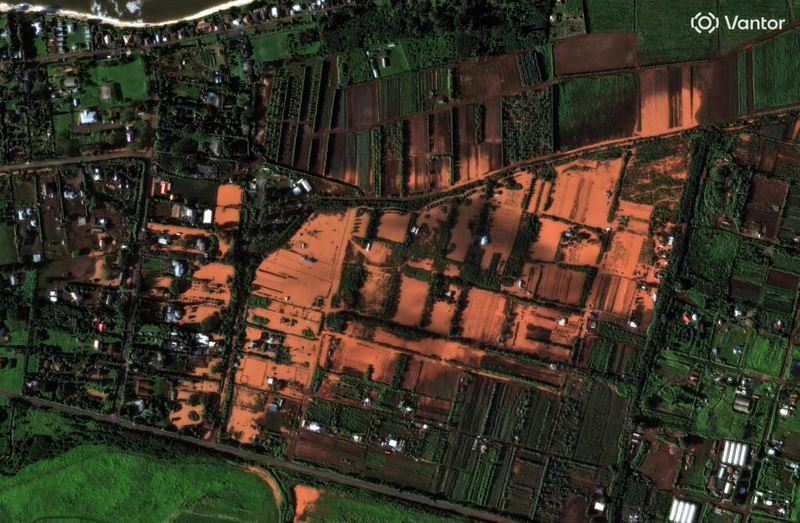
Some of the drains in the area are controlled by state or county agencies, which acquired them through easements or court orders.
On one piece of land that flooded, legal responsibility is spread among dozens of tenants of a former sugar plantation property, many of whom each hold an ownership interest of less than 1%.
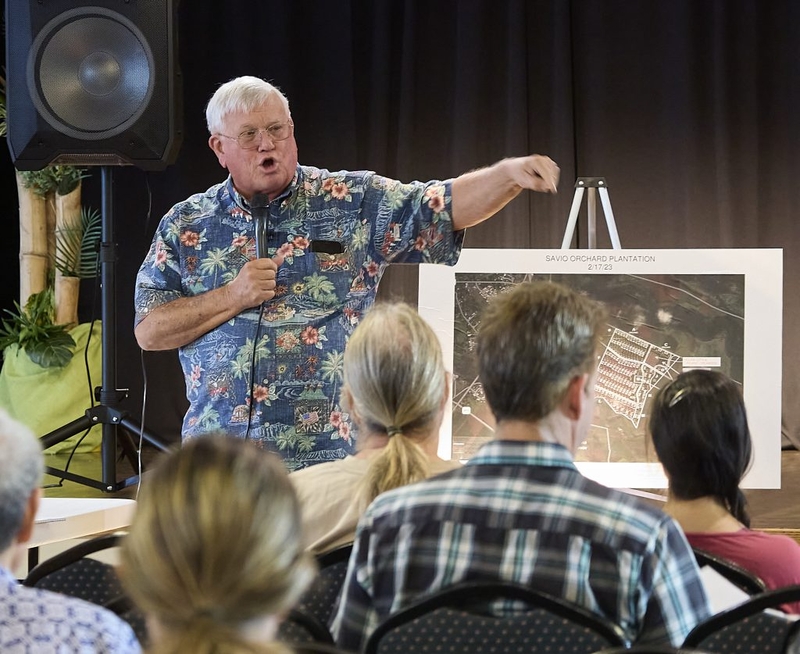
On a property next door, things are even more complex. That land, known as Mill 5, is owned by an entity controlled by O‘ahu developer Peter Savio under a handshake arrangement with a farming co-op.
Typically, under state law, landowners are in charge of maintaining waterways on their properties.
That duty usually gets handed down to lessees and tenants. But the co-op farmers are in a unique situation. They operate on licenses, not leases, which provide the lowest level of property rights. That also comes with the lowest level of responsibility.
When Dole sold the land to Savio, it also secured an easement agreement retaining control of the waterways. That likely puts Dole on the hook for ongoing maintenance, according to David Callies, a law professor who specializes in land use and real property.
“Whoever has the easement has the responsibility to maintain,” Callies said. “There's no duty by the owner of the property to maintain at that point. If you have an easement, it's your problem.”
That was the way Dole worked its contracts with new landowners as it sold off thousands of acres of land on the North Shore, to maintain access to its old irrigation system. Doing so allowed it to sell water to farms in the area, contributing to revenues of up to $1.1 million annually, according to data the company provided to the state in April.
Many farmers who paid to tap into that irrigation system were flooded during the back-to-back March storms and have spent the last two months clearing away silt and destroying their unusable, drowned crops.
That destruction was devastating for John and Ann Casson, who prior to the floods signed their first contract to sell kale to a juice bar in Honolulu. They were told they couldn’t sell any vegetables that survived the flooding because they were tainted by silt.
They will plant buckwheat and sun hemp to help rehabilitate the land before replanting celery, beets and kale.
Most of Savio’s farmers are on boilerplate agreements, according to Waialua Farmers Co-op President Grace Kekahuna. Those 65-year or 99-year sublicense agreements allow for farming and other activities, but expressly state that the farmers may not alter groundwater or drainage patterns, which includes digging new ditches, but must maintain any existing improvements, such as ditches or roads.
The language is confusing for many of the farmers. Some, including Casson, have been trying to figure out who is on the hook for what based on their agreements by reaching out to the University of Hawaiʻi’s legal aid clinic.
She has yet to receive an answer but, as far as she can tell, believes she's done everything right. Hotter summers and heavier rains driven by climate change are killing crops, she said, and it's all part of farming.
“But when something can be fixed we need to step up," Casson said.
Savio said he believes Dole is only responsible for maintaining a water line that supplies water to the farm lots, leaving the owners and farmers responsible for upkeep — and dealing with the storm's aftermath.
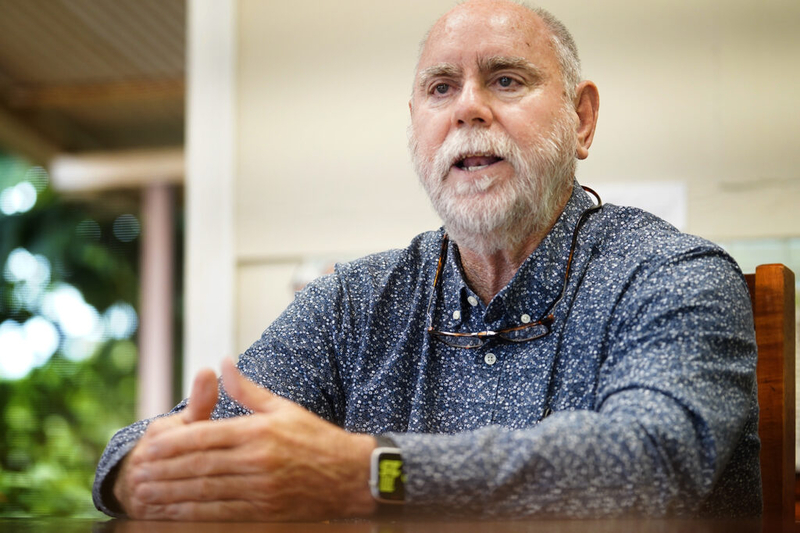
But a close look at the language in the easement says Dole also has the right to access, maintain, repair and draw water from “pipelines, ditches, tunnels, waterways, reservoirs, irrigation systems and other water facilities.”
Callies, the land use professor, said that language changes the picture significantly.
“If Dole reserved an easement, then the rights to the easements can’t be disrupted,” he said. “Along with that goes the duty to Dole to maintain them.”
Dan Nellis, Dole’s general manager in Hawai‘i, declined to be interviewed for this story.
In a written statement, company spokesman William Goldfield said Dole disagreed with the characterization of its land transactions but declined to elaborate further or discuss rights the company holds on the North Shore.
Farmers: Upkeep Is Pricey But Everyone Should Do It
Next to the Savio property is a different story of liability.
Property developer David Taogoshi took on a 333-acre plot with farmers and business partners Al Mendrano and Milton Agader, who retained more than 94 acres of the land. The remaining land was to be divided into parcels.
The partnership, under the entity Mahiko Farms, acquired the land in 2017 from Castle & Cooke, a real estate firm and precursor to the current Dole Food Co. It then entered into tenant agreements to divide that land into 76 one- and two-acre parcels.
Here, unlike across most other former plantation lands, Dole doesn’t have an easement for water facilities.
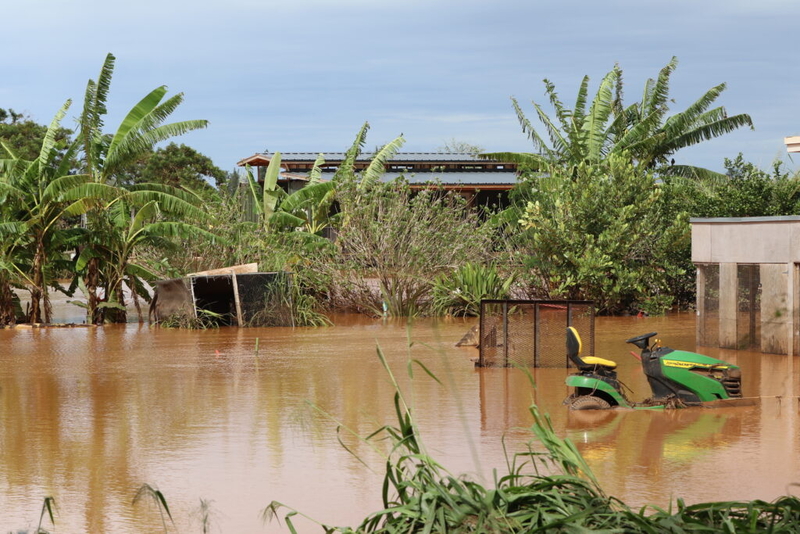
On paper, despite the collective ownership model, the developer is responsible for maintaining the ditches. Taogoshi paid for ditch maintenance, but his death in 2024 complicated those duties and the ditch was left to become overgrown.
Taogoshi’s business interests – including money for maintenance – are now locked up in legal proceedings. Without access to money or machinery, the farmers were largely unable to afford to do the work to clear the ditches that they now partly blame for the flooding.
As new farmers came onto the former plantation land, they did what they could to clear out sections of the irrigation canals, Mahiko Farms plot owner Casi Alexander says. That included removing makeshift bridges and invasive species.
“It's several days of someone full-time with a huge machine,” Alexander said. “It’s a huge effort to clear, and then you have to do something with all that green waste.”
Alexander accepts that farmers share responsibility, not liability. Ultimately, the developer owns the water ways.
In the aftermath of the flooding, Mendrano cleared a small portion of the ditch. It cost him more than more than $400 for 60 gallons of diesel plus two days of labor. Spinning that out to cover the entire ditch system on the Mahiko Farms land makes it even more unaffordable, especially considering Hawaiʻi's average farmer earns just over $10,000 annually.
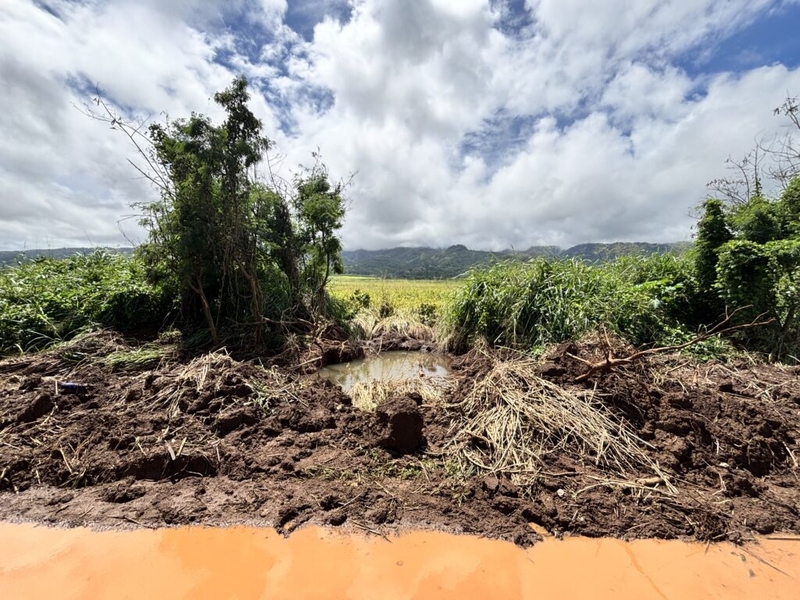
The realities of water management are far more complex – the water in the ditches is destined for the ocean, traveling from somewhere else. So, Alexander says, there should be some assistance from the state or county for annual maintenance, not just for Mahiko but for the entire irrigation and drainage system. And it should be done systematically, from shore to hills, to ensure water flows downhill.
Indeed, the city cleared some drainage ditches in early March. But it wasn't enough, Alexander said.
“It should be executed in a more orderly manner, and every winter, basically before the big rains come,” she said.
The state has acquired some of the drains near Mahiko Farms. In 2024, the Department of Transportation took control of three parcels containing culverts under Farrington Highway as part of a project to upgrade drainage facilities in the area.
That project remains in its early phases. Officials still need to complete required environmental assessments, according to department spokeswoman Shelly Kunishige.
'Pull Gates'
On a recent Friday, Mahiko farmer Al Medrano scribbled lines on a small notepad representing sections of the many miles of Waialua Sugar Company’s irrigation lines he oversaw during his nearly two decades working for the now-defunct plantation.
The irrigation lines were critical to the plantation’s success. They formed an arterial network of more than 30 miles of ditches, syphons and pipelines that transported millions of gallons of water to tens of thousands of acres of sugarcane across Central Oʻahu and the North Shore. Gates controlled the flow, Medrano says, which was especially important during heavy rains.
The gates were placed upland of the farm lots. When lifted, they reduced the flow of water by opening access to diversion ditches that ran horizontally along the hills above Waialua.
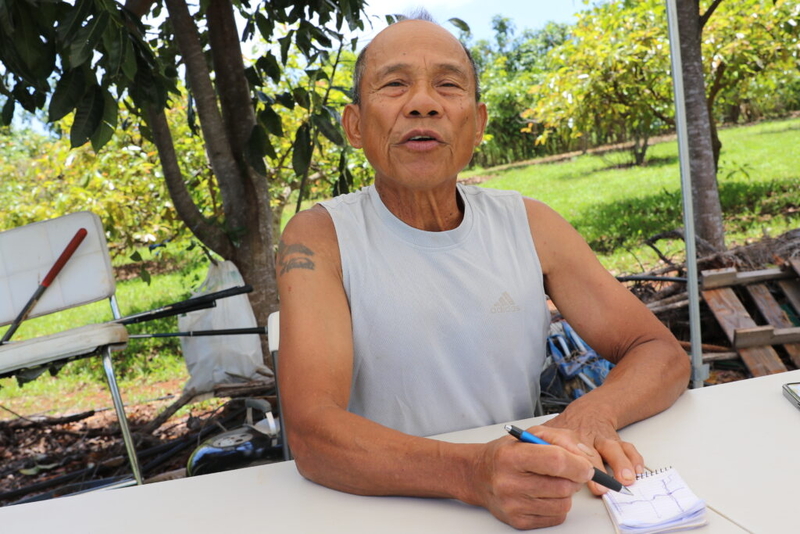
“Pull gates” is what they would tell each other during the rainier days, Medrano said, sitting on his property overlooking the North Shore and its muddy waters. “We didn’t want storm damage, runoff and stuff,” he said.
Much, if not all, of the land uphill of the flooded farms is now owned by Corteva Agriscience, formerly known as Pioneer Hi-Bred, which now owns more than 2,000 acres of former North Shore plantation land.
“That's where all the water was coming from,” Medrano said. “Other than the sky, it was all coming from Pioneer.”
It is incumbent upon the global corporation to manage the flooding on their lands, Mendrano said, but it’s unclear whether the irrigation or gates have been maintained.
Pioneer did not respond to messages seeking comment last week.
The water infrastructure has been corollary to massive interest in former plantation land in the years since Waialua Sugar’s demise in 1996. Despite Dole’s subsequent efforts to diversify crops from sugar and pineapple, it started putting land up for lease and sale.
Retired plantation workers farmed remaining tracts of land, many contracted by Corteva, to grow seed corn on about 10,000 acres of Dole land. By 2016, 18,000 acres were up for sale for $18 million – $1,000 per acre.
Despite being a bargain by current standards, the state Agribusiness Development Corp. – created to secure the future of Hawai‘i's agricultural economy – was unable to secure funding to buy in bulk. James Nakatani, head of ADC at the time, was adamant the land should be in state hands, lest it be developed for expensive housing.
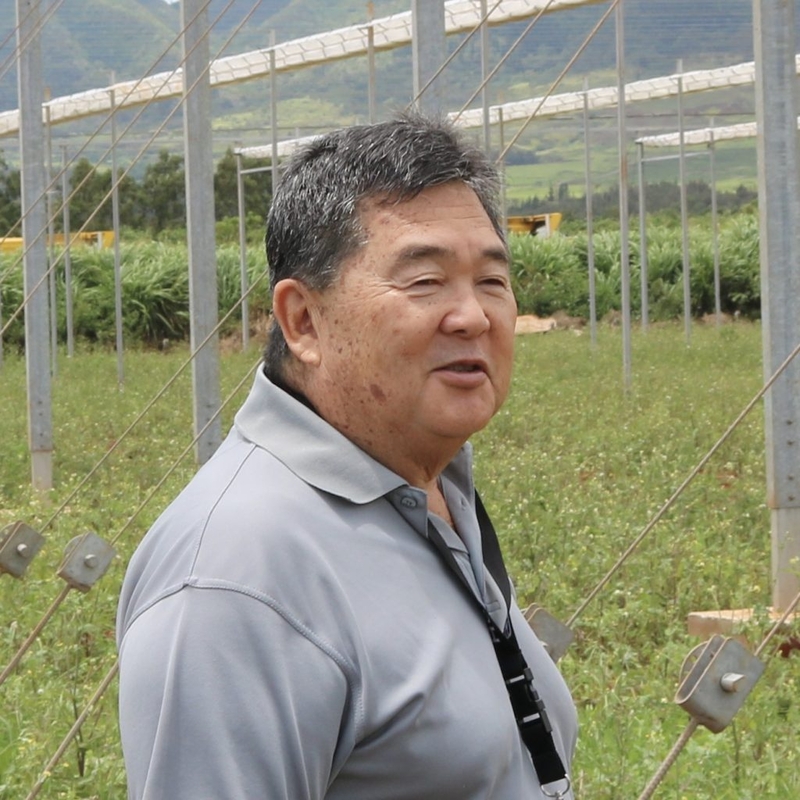
Nakatani had the support of local lawmakers, including Sen. Donovan Dela Cruz of Wahiawa, then-vice chair of the Senate money committee.
At the time, the water system was not explicitly in the late-ADC director’s crosshairs. But Scott Enright, then-state agriculture director, believes Nakatani was hoping to persuade the state to buy up the land – and infrastructure – incrementally.
“Jimmy was akamai enough to know the old sugar infrastructure all over the state was in dire need of repair,” Enright said. “He saw it as if he had Donovan as his money man, he would do it incrementally.”
Dela Cruz told the Honolulu Star-Advertiser in 2016 that the state needed the land to avoid his greatest fear: “The proliferation of gentlemen farms.”
The plans fell through in the waning days of that year’s legislative session and haven’t been revisited since.
Mauka To Makai
Dole moved forward with selling its lands, and as it did, entered into more than three dozen easement agreements to continue controlling parts of the Wahiawa Irrigation System, property records show.
The state is now set to acquire the irrigation system, including Dole’s easements. The ADC, which is in charge of the acquisition, declined to provide Civil Beat with a list of those specific easements, citing ongoing negotiations.
Those easements follow the irrigation system, running mauka to makai, and end at a half-acre strip of sand just off Waialua Beach Road where many of the drains and pieces of the irrigation system empty to the ocean.
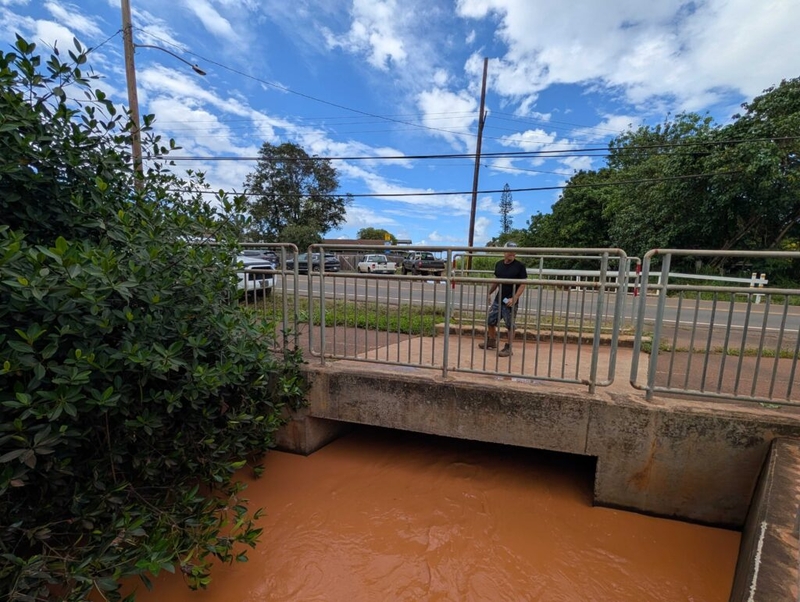
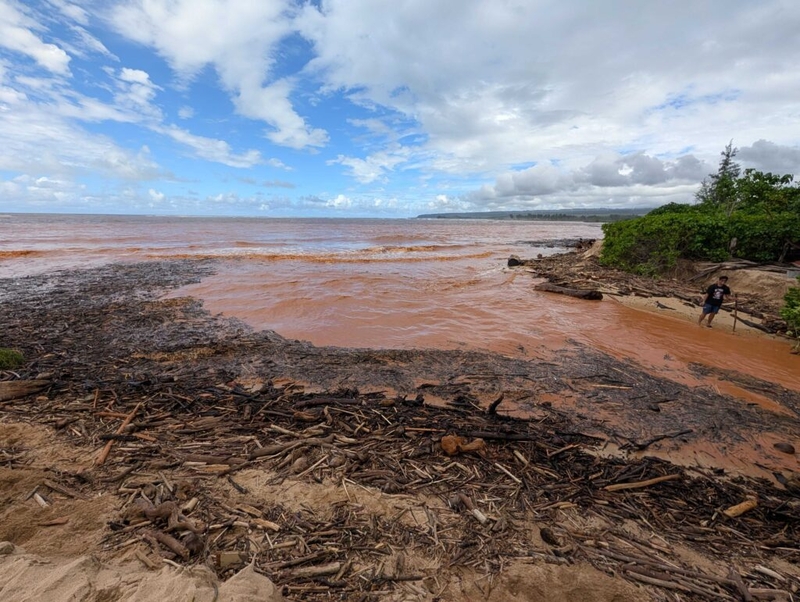
Residential areas around Waialua Beach Road faced heavy flooding that damaged homes, including on nearby Kukea Circle, where water pushed back fences on homes bordering the road while, elsewhere, floodwater appeared to be flowing from the direction of the nearby farms.
Dole acquired an easement to the drainage area when it sold that land in 2017. On paper, that means Dole is responsible for maintaining that drain. But since 2018, Mark Woodfield, the land’s current owner, said he’s paid for the upkeep.
Woodfield said county workers opened a pathway through the sand berm ahead of the first Kona low, allowing water to flow through on March 13. He doesn't think his property contributed to the floods. Instead, he blames two narrow culverts that quickly clog just upstream.
Both are on land owned by Savio, who believes government needs to do more to organize maintenance efforts. “All of these problems can be solved but the government has to take action,” he said.
Officials said they did.
Ahead of the storms, state contractors cleared the area near the last culvert that runs under Waialua Beach Road, according to Warren Mamizuka, deputy director for Honolulu's Department of Facilities Maintenance.
"Hawai‘i Grown" is funded in part by grants from the Stupski Foundation, Ulupono Fund at the Hawai‘i Community Foundation and the Frost Family Foundation. Civil Beat’s coverage of climate change and the environment is supported by The Healy Foundation, the Marisla Fund of the Hawai‘i Community Foundation and the Frost Family Foundation; reporting on fresh water issues is funded in part by the Ulupono Fund at the Hawai‘i Community Foundation.
Honolulu, HI