Dr. Oz trusts Gov. DeWine’s handling of Medicaid, as other Republicans express fraud concerns
May 28, 2026 | 4:55 am ET

Description
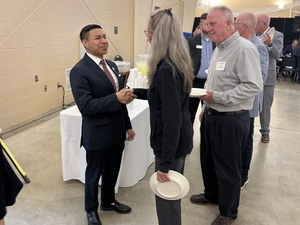
Dr. Mehmet Oz and Ohio Gov. Mike DeWine speak at an event in Dublin on May 26, 2026.
(Photo courtesy of WEWS)
Federal Medicaid chief Dr. Mehmet Oz is supporting Ohio Gov. Mike DeWine after other state leaders accused him of allowing rampant fraud. The allegations of a widespread issue are currently unproven.
Ohio’s home healthcare program allows those who are aging, sick, or living with disabilities to stay in their homes while getting assistance paid for by the state.
It’s a service Medicaid offers, and one that DeWine has stood behind.
“You keep people in their home where they want to be,” the governor said.
For the past week, DeWine has been defending the home and community-based services (HCBS). There are a variety of waiver programs for people based on their needs, as long as they qualify for Medicaid.
The man who is running to replace DeWine in the governor’s seat, Vivek Ramaswamy, and other high-profile Republicans have blamed DeWine for “failing” to oversee Medicaid.
In a press conference dedicated to how he would “crush” Medicaid fraud, Ramaswamy said there were “individuals who are defrauding the system, claiming to work while not actually working.”
Along with Ohio Senate President Rob McColley and Ohio House Speaker Matt Huffman, Ramaswamy claimed that there may be widespread fraud, saying some home healthcare providers paid by Medicaid are not doing their jobs.
Oz, the U.S. Centers for Medicare and Medicaid Services administrator, said Tuesday alongside DeWine at an event in Dublin that federal and state governments need to work together to solve this.
“We believe Ohio, as almost every state, can do a better job with the guardrails around home health care,” Oz said.
DeWine and his team have continued to deny any widespread issue, and said he’s been on top of any problems — citing nearly 1,100 Medicaid fraud convictions since he took office in 2019.
The Medicaid fraud allegations come after The Daily Wire, a conservative outlet, published a story alleging rampant, yet unproven, claims of fraud.
“We don’t want everybody hiring their kids to carry the groceries up the stairs, nor driving everyone to the doctor’s office for a visit,” Oz said.
Family members who live with the qualifying Medicaid recipients can become caregivers. They will need to pass a background check, complete several hours of training and work with an already accredited Medicaid provider. The payment ranges, but some programs pay family caregivers $1,800 a month.
Now, some Republicans question why home care is necessary or should be this expensive. Oz was asked about the backlash DeWine has been facing, and whether he thought widespread fraud had occurred.
“I trust Governor DeWine,” he said.
The governor has been doing the work, he added, and said that there may be gaps in the system due to not having an easy flow of data between the federal and state governments. He mentioned the federal anti-fraud task force he has been working on with Vice President J.D. Vance.
“Part of it is people taking responsibility, but the guardrails have to be clear in saying what would constitute the kind of disability that would mandate the state and the federal government investing money in more home health care aides,” Oz said. “I would argue that if you cannot prove that it’s necessary, you should not default to just giving it to people.”
But even with allegations of fraud, the alternative is much more costly. According to state data, home health services cost at least four times less than nursing or long-term care facilities.
“If everyone, for example, in Ohio that is getting this kind of care, home health care, had to be in a nursing home, that would have cost us about $600 million a year,” DeWine said.
Last week, the governor issued an executive order on tools that he says will help prevent fraud, such as requiring providers that are at a higher risk for committing fraud to revalidate enrollment more frequently.
Still, he is fighting against the allegations and for the program to continue.
Follow WEWS statehouse reporter Morgan Trau on X and Facebook.
This article was originally published on News5Cleveland.com and is published in the Ohio Capital Journal under a content-sharing agreement. Unlike other OCJ articles, it is not available for free republication by other news outlets as it is owned by WEWS in Cleveland.
Columbus, OH