Developers say housing regulations drive up costs that price Marylanders out of homeownership
Sep 16, 2026 | 8:24 pm ET
Description
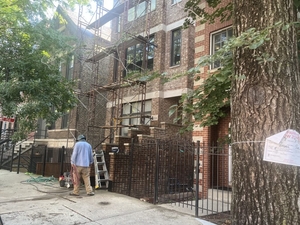
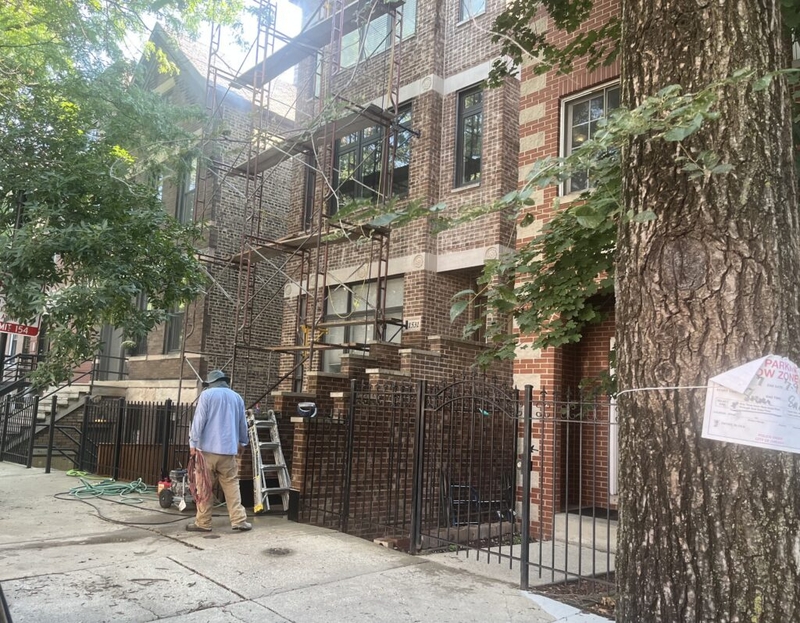
Even relatively small bumps in prices to housing can bar thousands of Marylander from buying a home. (Photo by Robbie Sequeira/Stateline)
Developers say that having to navigate the “complex web” of federal, state and local regulations contributes to the rising cost of housing and rent, which winds up pricing more and more Marylanders out of housing options.
Lori Graf, CEO of Maryland Building Industry Association, told the House Economic Matters Committee Tuesday that, at a national level, the costs it takes to comply with health, environment and other government regulations account for 26.4% of the final cost of a new housing unit.
“It’s a national figure, but it definitely translates to Maryland,” she told the committee. “It may be that Maryland is a little bit higher.”
She added that each bump in housing costs knocks thousands of Maryland families from the dream of homeownership. It’s estimated that for every $1,000 increase in the cost of a medium-priced new home, an additional 2,955 households are priced out in Maryland, Graf said.
It’s why she and other members of the building industry urge Maryland lawmakers to cut back on the red tape that slows down the approval process for new development in the state.
“We have so many regulations and so many things, and we don’t propose that any of that is easy to get rid of,” she said. “But, it is very challenging to go through all of the processes, and at any point, something can hold you up.”
Financing, permit challenges stand in the way of building new housing, officials say
Her comments followed a presentation by the Department of Housing and Community Development for the committee outlining the many factors contributing not only to Maryland’s housing shortage of some 100,000 units, but also the state’s skyrocketing housing costs – some of the highest in the nation.
“High housing costs are not driven by a single factor,” Housing Secretary Jake Day said. “They are an accumulative result of land costs, construction costs, of financing costs, taxes and fees, of regulatory requirements and perhaps most importantly the time and uncertainty imposed on a project before a shovel ever hits the ground.”
This year, the Moore administration pushed legislation that will grant housing developers “vesting rights” to ensure that projects are not delayed by having to incorporate new local policy changes created in the middle of the build.
That law aims to avoid delays in construction timeline for new builds, which not only delays completion of new housing but adds to cost of development for that project. It also provides the “certainty” that builders say they need to find Maryland a more viable place to build, according to Day.
But Del. Steven J. Arentz (R-Upper Shore) says policies set by the Maryland Department of Health and Maryland Department of the Environment also gum up the building process.
“When I talk to people – I deal with a lot of builders, I’m in that business – and the reason they’re not building homes is they can’t make money,” Arentz said. “And the reason we’re not making money in this state is because we have a tremendous amount of regulations that it’s just crushing business … MDH, MDE — they’re crushing us as far as what we can and can’t do at the local level.”
Day said that he and the housing department agree that regulations continue to be a hurdle for developers but there needs to be a balance.
“I don’t want to let the state off the hook, we deserve as much scrutiny as our local partners,” he said. “We have to find the right balance in policymaking to protect the Maryland environment, the occupants of the housing, and addressing high housing costs.”
Day acknowledged that there is more to be done, noting that the high cost of housing in Maryland is driving residents out of the state.
“42% of young renters say they’re considering leaving the state. The reason they cite: high housing costs,” he said. “91% of full-time workers say that affordability is a huge or medium obstacle to homeownership.
“Maryland’s high housing costs are driving people away from choosing Maryland. There’s a lot more work to do,” Day said. “Maryland is a thin state – nowhere in Maryland is far from an alternative.”
Annapolis, MD