Montana lawmaker looks to strengthen privacy laws surrounding license plate recognition, camera use
Sep 16, 2026 | 5:39 pm ET
Description
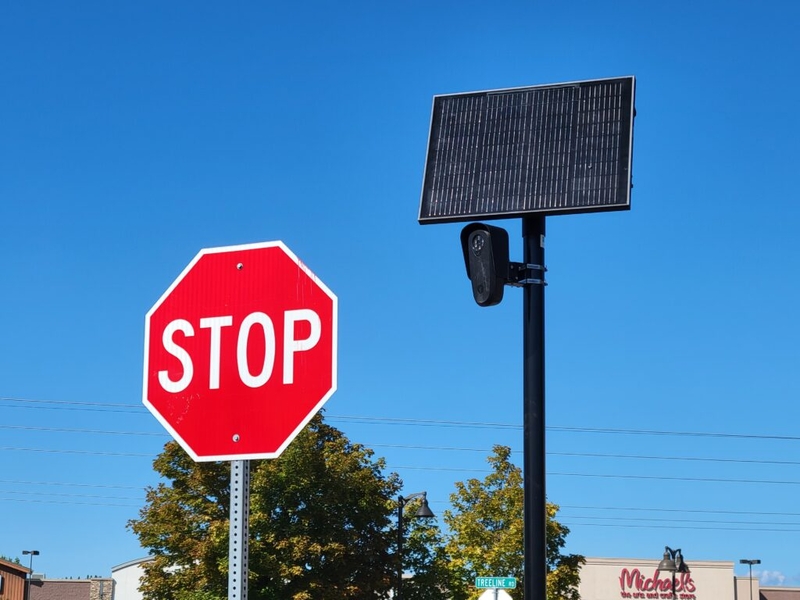
An Flock Safety automated license plate reader camera in a Kalispell parking lot as seen on Sept. 16, 2026. (Micah Drew, Daily Montanan)
Within a few hours of a social media post showing a license plate recognition camera installation in the parking lot of a big box store in Kalispell, hundreds of people had commented in the local community group. Many comments expressed concern or outrage at the camera installation, with many suggesting vandalism might be the solution — a method previously employed.
License plate readers can be found in private parking lots in many of Montana’s main cities from Great Falls to Missoula. In addition, some municipalities like Billings and Butte use them to monitor parking violations.
Across the country, privacy concerns over the use of automated license plate reader technology keeps climbing. At least one bill has been introduced into Congress addressing federal access to camera data, and last week Missouri Gov. Mike Kehoe signed an executive order establishing strict safeguards on the use of the technology.
But Montana has some of the strongest privacy protections in place in the country surrounding the use of license plate recognition camera use in public places and by law enforcement.
In 2017, the Legislature passed a law prohibiting state agencies from using license plate readers on public highways, which has helped keep the cameras largely out of Montana during the last decade.
“We put some massive restrictions in place,” said state Sen. Daniel Zolnikov, a Billings Republican, who sponsored the privacy legislation in 2017. “There’s limitations on how long data can be held, how they are used, when you need a warrant to access data.”
The largest company behind this technology is Flock Safety which has deployed more than 120,000 cameras across the country.
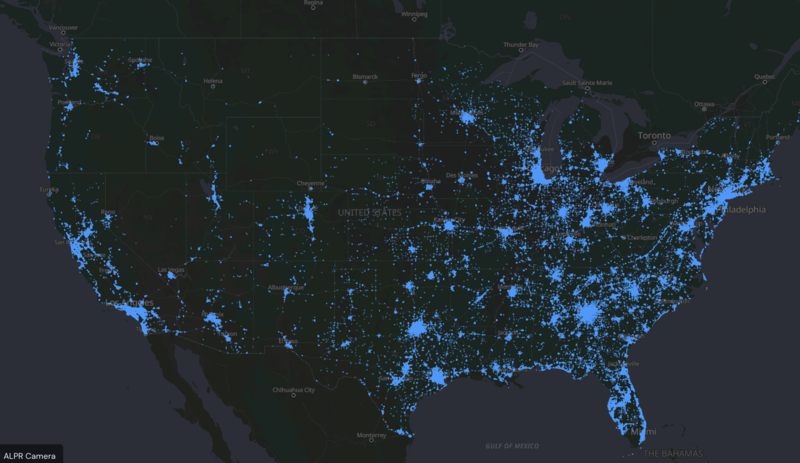
The Washington Post reported that surveillance systems like Flock cameras had broad support as recently as last year, but a recent YouGov survey showed 46% Americans opposed the use of the technology compared to 38% that support it.
Now, with the daily debate ranging from Facebook posts to the White House, Zolnikov said he’s planning to readdress the issue in the upcoming Legislative session if he’s reelected to office.
“Back then, it wasn’t a big issue,” Zolnikov said. “It didn’t have the weight of society behind it, so people weren’t really paying attention.”
Zolnikov said there is a trio of bills he plans to introduce that will strengthen the state’s privacy laws and close some loopholes in existing law.
One bill would require local jurisdictions to have public hearings if they plan on utilizing license plate readers, or “LPRs,” on public property.
Recently, the city of Kalispell stripped out a budget item funding LPRs to monitor parking violations in the city’s downtown corridor after public pushback during a city council discussion over the budget.
Rather than having public comment on a budget line item, Zolnikov said his bill would require hearings about implementation and installation of the technology, making their use more transparent.
He also wants to tighten up the state’s current law including changing how long data can be held, how it’s collected, and how it is shared when operated by public entities.
The last area he wants to address is regulating private surveillance, specifically by limiting how and when data can be shared with the government and law enforcement. The private regulation is more difficult to address, but Zolnikov said it’s clear the public wants lawmakers to consider the issue.
“I think people just don’t want any more of these,” he told the Daily Montanan. “Let’s put that in legislation.”
Looking further to the future, Zolnikov said he hopes to pass a bill to form an interim committee that will inventory all of Montana’s privacy laws and “figure out where we have gaps.”
“It would really paint a picture of how Montana has the best anti-surveillance laws in the country,” he said. “Montanans, whether they’re left, right, or center, have a libertarian streak against surveillance.”
Helena, MT