AG objects to health insurance rate hikes sought by Blue Cross Blue Shield Rhode Island
Aug 05, 2024 | 5:39 pm ET

Rhode Island Attorney General Peter Neronha is calling out the premium increases proposed by one health insurer for 2025.
Neronha singled out Blue Cross Blue Shield of Rhode Island (BCBSRI) for seeking to raise premiums on its individual market health plans on average by 14.3% for more than 17,000 enrollees in a memo addressed to the Office of the Health Insurance Commissioner. The office is responsible for reviewing and approving annual rate increases.
Blue Cross wasn’t the only insurer to submit rate increases for 2025, but it was the only company to submit a requested increase over 10% for individual market plans. Per statutory law, that triggers a review from the Attorney General’s office, said office spokesperson Brian Hodge.
“Granting BCBSRI’s requested increase would mean a nearly 40% increase in rates in just seven years,” Neronha’s office wrote in the memo to Health Commissioner Cory King. “This request places an outsized burden on individual market plan consumers … to shore up an under-resourced and underfunded health care system that is not delivering the access to care those consumers expect.”
Neighborhood Health Plan of Rhode Island proposed a 5.6% increase for slightly over 29,000 individual market customers.
Requested increases for small and large group rates, which apply to insurance plans offered through some employers, are still under review, Hodge said Monday afternoon.
While Neronha’s statement and brief released Friday, Aug. 2, focused on Blue Cross, his comments suggested a general disappointment with health insurers: “Rhode Islanders deserve affordable and accessible health care, and right now they are receiving neither.”
“Rhode Islanders who purchase BCBSRI individual plans as Direct Pay customers cannot be certain their personal increased investment in health care, by way of their insurance premiums, will result in improved access to health care,” the statement added.
Blue Cross remains “committed to leading access to high-quality, affordable and equitable healthcare,” Rich Salit, a company spokesperson wrote in an email. But a colossal increase in claims has led the insurer to an operating loss of $26 million in the last year, he said. In 2023, Blue Cross spent $85 million more on medical service claims and $75 million more on pharmaceuticals than it did the previous year.
“The proposed rates reflect ongoing increases in the cost of health care driven by soaring prescription drugs costs and a widely reported nationwide surge in the utilization of medical services post-pandemic,” Salit wrote. “The elevated health care cost trends have continued into 2024.”
The situation is not unique to Rhode Island. Vermont’s Blue Cross affiliate, which is the state’s largest health insurer by market share, is facing such severe financial woes that it has proposed a 21% increase on individual plans next year, Vermont Digger and Burlington Free Press reported.
State law gives the Rhode Island Attorney General the power to independently review and make suggestions to the Office of the Health Insurance Commissioner on the rate increases. King’s office issues final approval and conducts its own analysis of the requested rates.
Last year, Neronha recommended denying six insurance carriers’ requested rates. The commissioner ended up approving most average rates a few percentage points lower than insurers wanted. Blue Cross, which had requested a 9.3% increase on individual rates, was instead approved for a 7.7% increase. The commissioner’s office noted that it saved almost $24 million by approving rates lower than insurers requested.
The commissioner’s office also hosts opportunities for written and in-person public comment, which wrapped up July 19. The rates are under review and the OHIC verdict is expected to emerge in the next three weeks, King said via email Monday.
“We are due to receive actuarial analysis of the other rate filings and comments from the Office of the Attorney General in the coming days, which we will review,” King wrote, adding that he could not comment on the Blue Cross rate proposal as it’s “the subject of an open administrative proceeding.”
Blue Cross’ 14.3% increase was not the priciest request submitted this year. That distinction belonged to UnitedHealthcare’s ask for its small group market rates, which would see a 22.7% increase on rates for 1,644 enrollees on small employers’ plans.
The largest number of plans affected by increases would be those offered by larger companies, 79,367 in all, who would see an average increase of 13.6%. The highest average of any group increase, 15.4%, belonged to small group market plans.
In the memo, Neronha’s office noted that consumers might not feel the immediate impact of these rate increases thanks to improved health plan subsidies that began during the pandemic. But these subsidies, which will expire in 2025, can “mask the actual pocketbook cost to the consumer.”
It continues: “The day may come when consumers will be forced to bear substantially higher costs built up over this period when the true cost increases were not directly born[e] by consumers.”
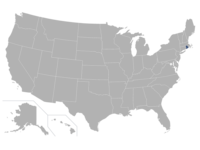
Providence, RI