Federal official tells Idaho lawmakers there’s ‘no leeway’ in awarding rural health funds
May 28, 2026 | 6:42 pm ET

Description
A federal official overseeing a major rural health grant approved by Congress last summer emphasized to Idaho lawmakers that time was of the essence this summer if the state wanted to make full use of the award. (Photo by Getty Images)
A federal official overseeing a major rural health grant approved by Congress last summer emphasized to Idaho lawmakers that time was of the essence this summer if the state wanted to make full use of the award.
Kate Sapra, deputy director of the Office of Rural Health Transformation within the federal Centers for Medicare and Medicaid Services, told legislators on the Idaho Rural Health Transformation Committee that there was “no leeway” for distributing the state’s entire share of the federal grant by the Oct. 30 deadline.
“If the funds are not obligated, we have to recover them and redistribute them to other states,” she told the committee at a meeting Thursday at the Capitol in Boise.
Idaho received $186 million for the first year of the five-year Rural Health Transformation grant, awarded as part of the omnibus tax and spending law passed by Congress last July. State leaders have touted that the state could receive around $930 million in total over the five-year program. However, Sapra said at Thursday’s meeting that each state wasn’t guaranteed the same amount each year.
The first round of solicitations for contracts and subgrants for the program are expected to be posted the first week of June, Idaho Department of Health and Welfare Director Juliet Charron said Thursday.
The legislative committee that will provide oversight of awarding the money for programs meant to improve rural health access met for the first time in April, the Idaho Capital Sun previously reported.
Oversight of the funds, maternal and child health top priorities for year 1 of program
Charron told lawmakers that the department is hiring for its 12-person team dedicated to overseeing these funds, but that the agency will need outside contractors for work on data analysis, evaluation and reporting requirements.
Sapra told the committee the proposed size of the team at Health and Welfare was “one of the leanest that we’ve seen across all 50 states.”
Project management services and data analysts were two of the top projects ready to be posted to solicit requests for proposals but awaiting committee review, Charron said.
Two subgrants for maternal and child health are also ready to be posted and awaiting review by members, she said.
The agency also identified EMS, behavioral health and chronic disease prevention as top priorities for the first year of the program.
First report to CMS to determine next year’s grant
Federal health officials awarded Idaho the first year’s funding in late December. During the legislative session, lawmakers were at odds over how to structure a legislative oversight committee, the Sun reported previously. The debate temporarily left the funds unusable until a vote was taken to grant authority to spend the money.
Some legislators expressed skepticism that Idaho should accept the federal money at all over concern about the growing federal deficit. However, the Legislature ultimately approved authority to send the money and create an oversight committee through a budget bill.
Idaho officials will be required to make the first annual report to federal authorities on Aug. 30 — that report will help determine how much Idaho receives in the second year of the grant, Sapra said.
Sapra told committee members her goal would be for each state to receive the same amount as the first year, because it would indicate every state was “progressing at the same rapid pace.”
“I think the reality is that some states are going to move faster, and some states are going to be slower off the line,” Sapra said. “And the ones that are slower off the line are going to get less next year. And it was designed that way. This is really designed to be a competitive program, because when we compete, rural communities win, but it is going to mean some tough conversations.”
She said that states that haven’t started putting out their procurements for awarding funds by June “are going to start getting calls from our leadership about what’s your plan, when’s the money going out?”
“Because this is obviously hugely important to the administration to make sure that they’re able to deliver on the promise that they’ve made for our rural communities,” she said.
The committee is expected to meet again July 15.
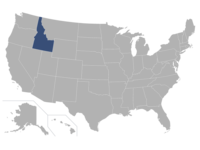
Boise, ID