Missouri charter school commission returns $685,000 in surplus funds to sponsored schools
Aug 31, 2026 | 6:55 am ET
Description
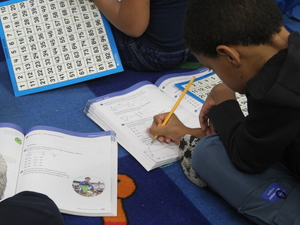
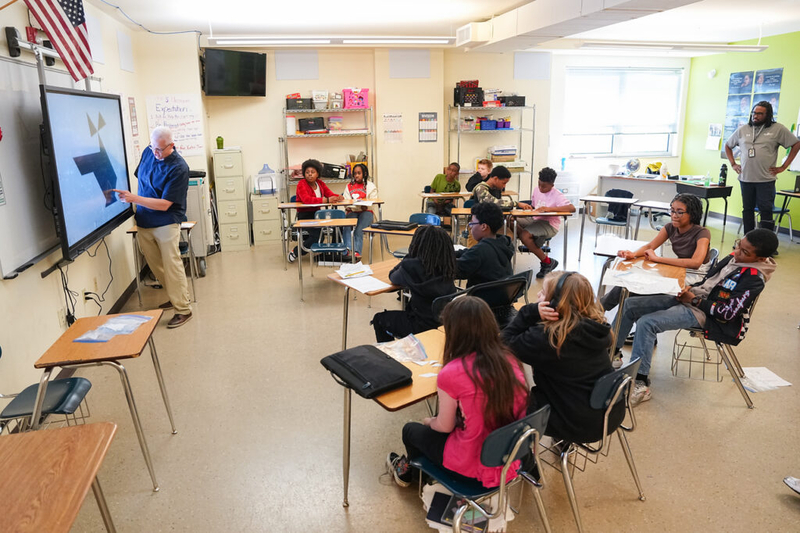
Brookside Charter School in Kanas City is receiving $55,000 in a rebate from its sponsor the Missouri Charter Public School Commission (photo submitted).
Missouri’s largest charter-school sponsor entered August with nearly $3.3 million in its account, which is more than twice what it spent in the previous fiscal year.
Now the Missouri Charter Public School Commission is sending some of that money back to the schools it oversees.
At its August meeting, the commission approved $685,000 in rebates, with individual schools receiving between $10,000 and $70,000. It is the third time in recent years the commission has returned a portion of its surplus to schools.
“Because we run a very lean but efficient agency, we are able to build up a healthy level of reserve,” Missouri Charter Public School Commission Executive Director Mark Modrcin told The Independent. “We feel like that should go right back to our schools, who could use those dollars better than we could.”
This funding, while a small portion of the cost required to run a school, can have a substantial impact on the school, several school administrators told The Independent.
Nicole Goodman, superintendent of Scuola Vita Nuova Charter School in northeast Kansas City, said the money goes a long way toward enriching students’ experience.
“There are things that keep us up at night when it comes to budgeting and knowing what the needs of our students and staff are,” she said. “It is really expensive to make sure we are giving all of our students the opportunities that they deserve.”
When she received word from the commission that her school would receive $70,000, she thought about field trips that she wanted to schedule but wasn’t quite sure the budget would allow for.
Goodman said the school tries to expose students to art, music, athletics and other activities without charging families fees for things such as instruments or field trips.
“There’s enrichment that we want to provide for our students and even our families to engage with their students more and to really truly be a partnership in this whole journey,” she said. “This helps us do a little more than we anticipated.”
For Brookside Charter School in Kansas City, extra funding fuels its growing operations. The school is set to open a second building in a year, and its $55,000 rebate will help make the transition run smoothly.
“The new building leads all of our conversations about the money that we have,” Superintendent Roger Offield said. “We’ve got to manage our dollars to do this.”
Offield doesn’t know exactly what the school will use the money for, but he anticipates that it will likely go toward staffing — which he says is paramount.
“Brookside’s philosophy has been that there’s no secret sauce to education. It is what quality adults do you put in front of kids,” he said.
The Missouri Charter Public School Commission is a state agency charged with providing oversight and accountability to charter schools. Local school districts and Missouri universities can also sponsor charters. To fund this task, state law dictates that charter sponsors receive 1.5% of their schools’ local and state aid, up to $125,000.
Sponsorship fees and federal grants have proven to be enough to sustain the commission’s operations. Last fiscal year, the commission spent over $1.4 million while taking in over $2.5 million, according to the State Treasurer’s annual fund report. And in July, the commission’s account had nearly $3.3 million.
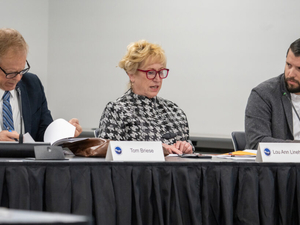
During the meeting, commissioners briefly acknowledged that the $685,000 in rebates is just a portion of a healthy reserve balance. Finance committee chair Judith Meyer told the group that it would be nice to get media coverage but added, “We don’t want to talk too much about the amount of reserve that we have.”
State budget officials are predicting general revenue shortfalls in coming years and have instructed departments to limit future budget requests to only essentials. This frugality has placed extra pressure on education expenses, which make up a large chunk of the state budget.
But the commission’s large safety net is by design, Modrcin told The Independent.
“We have a policy where we keep reserves just in case something would happen to the state cash flow,” he said.
As for the rebates, the commission intends to be hands-off. The amount each school received was based on school size and performance, with the top-performing schools receiving $70,000 regardless of enrollment, but administrators will have discretion on how to spend the money.
On top of the $685,000 going directly to schools, the commission voted to put almost $95,000 in a grant program that will be administered by a third-party contractor. The details are not yet set, but the program is intended to fund ideas that foster better academic performance.
“We want to remember that we do not want to get involved in the management decisions of our schools,” Meyer said during the meeting. “We want that to come from the schools, but obviously in this case, we want them to focus on academic performance.”
Commissioners spoke about the grant program as an opportunity for schools to grow and share their successes for others to adopt.
“We’re grateful that we find ourselves in the position to be able to give back in this way to our schools,” Modrcin said. “And we hope that they put the money to good use.”
Jefferson City, MO