Protecting students starts outside the classroom, SC leaders say
Oct 20, 2026 | 5:59 pm ET

Description
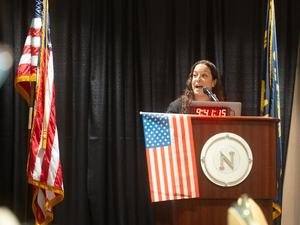
U.S. Attorney Bryan Stirling talks about threats facing students during a school safety conference at Lexington 2 Performing Arts Center in West Columbia, S.C., on Tuesday, Oct. 20, 2026. (Photo by Skylar Laird/SC Daily Gazette)
WEST COLUMBIA — As online threats rise, law enforcement officers and education officials in South Carolina are looking for ways to protect students both at school and at home.
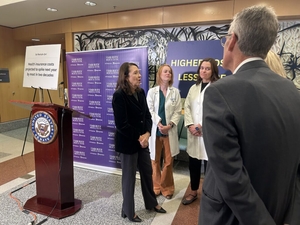
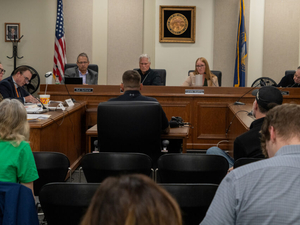
Around 300 law enforcement officers, teachers and school administrators spent Tuesday learning about the threats that face students both inside and outside classrooms. The inaugural, day-long conference was meant to supplement laws and programs passed by the Legislature in recent years to help keep children safe.
Some of that work involves what people traditionally think about when considering school safety, such as keeping weapons and drugs out of schools, state leaders said Tuesday.
Legislators have spent tens of millions of dollars on improving safety inside schools.
This year, for the fourth time, legislators put $20 million toward grants for school safety improvements. Those can include improved door locks, increased security, metal detectors and other weapons detection systems, or storage for cellphones.
In 2024, legislators spent $5 million on a school mapping program meant to give law enforcement officers a better idea of a school’s layout if they need to respond to a shooting or other emergency. And since 2018, legislators have also spent roughly $160 million to help schools pay and retain armed officers, which resulted in every public school in the state having the money to hire a full-time “school resource officer” last year.
Physical safety in the classroom remains a constant priority, said state Superintendent Ellen Weaver. In her upcoming budget request, Weaver will ask legislators next year to fund a pilot program putting support staff in schools who can help out school resource officers but aren’t certified law enforcement. She did not say how much the program would cost.
But more and more of the threat students face comes from the internet, she said.
“We know the threats that are facing our children today are real, and they are constantly evolving,” Weaver said.
Under a 2024 law, students are not allowed to use their cellphones during the school day. But teachers and law enforcement officers want to make sure students are protected at home as well as in the classroom, Weaver said.
Interventions at school might save a child’s life, said U.S. Attorney Bryan Stirling. Training sessions Tuesday included learning about online groups that target children and the warning signs of a child involved in those groups.
The FBI has seen a significant rise in cases involving predatory groups of adults, known as “nihilistic violent extremists,” manipulating children on video game platforms or messaging sites into harming themselves or others, said Anish Shukla, the special agent overseeing the FBI’s Columbia office.
Other online threats include extortionists, who attempt to blackmail people, often using incriminating or sexual images they’ve sent, into sending large sums of money. Those cases can drive children to suicide.
“It used to be that staying on top of the latest trend, studying for a big exam or winning a Friday night game were the biggest things on a kid’s mind,” Stirling said. “Now, they face a new frontier of dangers and threats that we must all be aware of across the country and right here in South Carolina.”
Legislators have tried to address those problems, too.
A law passed earlier this year put restrictions on social media accounts for people under the age of 18, though major technology companies immediately challenged that law in court. That case is ongoing.
Policy changes can help, but people will continue to target children regardless of the law, Weaver said.
“Not everything can be solved with a piece of legislation or with a budget request,” she said. “Parents have to step up and take responsibility for educating themselves about these dangers and educating their children about what they need to be on the lookout for.”
Trusted adults are essential in keeping children safe, Stirling said. Children need to know they can talk to someone without judgment if they need help, he said.
When those sorts of cases are reported, law enforcement also needs to know how to handle it, Stirling said.
Like the FBI, Stirling’s office saw an uptick in cases involving threats to students, he said. Some cases that spanned the state might have ended sooner if local law enforcement officers were aware of the sorts of issues other jurisdictions were dealing with, he said.
Along with the training sessions, the symposium gave law enforcement officers a chance to talk about what they’re seeing in their areas and share ideas for solutions or potentially connect the dots on similar cases, Stirling said.
“I guarantee you that someone’s life will be saved — someone’s life that potentially could have forever been altered — will be saved today,” Stirling said.
Columbia