Panel studies ways to make Oklahoma more attractive
Oct 20, 2026 | 6:23 pm ET
Description
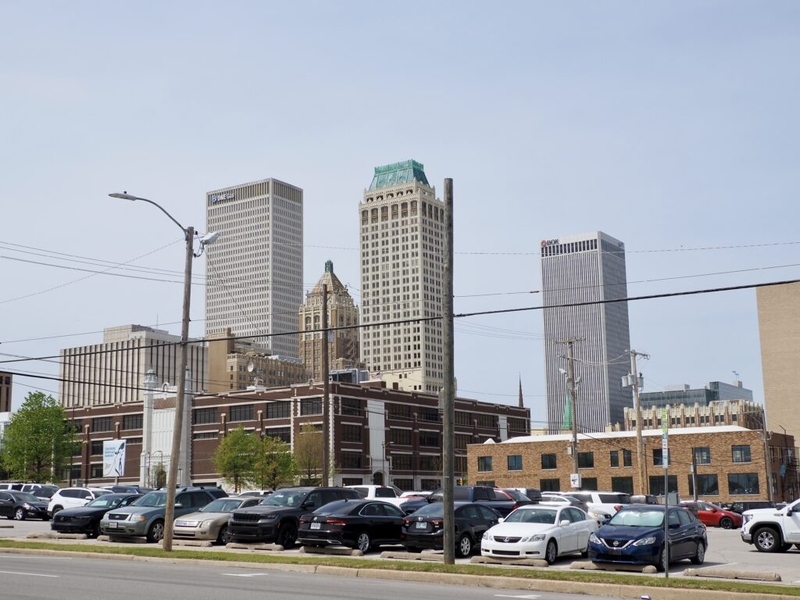
Downtown Tulsa pictured April 9, 2024. (Photo by Nuria Martinez-Keel/Oklahoma Voice)
OKLAHOMA CITY – A legislative panel was told Tuesday to look past tax policy and to invest in education and other areas to make the state a more attractive place to live and work.
Oklahoma’s overall tax burden, which includes corporate, income, property and unemployment insurance taxes, has gone from 29th to 19th in the last four years, said Chad Warmington, State Chamber CEO and president.
“So, from a tax competitive standpoint, Oklahoma is in really good shape,” he said.
Oklahoma is also doing well in the area of infrastructure, he said.
But Oklahoma’s low rankings in the areas of health and education need to be addressed, Warmington said.
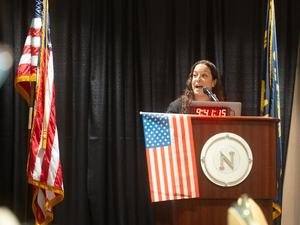
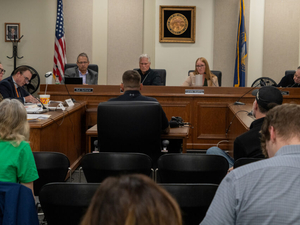
Warmington was among nearly a dozen speakers who spoke at a legislative interim study at the Capitol about what policies and priorities lawmakers must focus on moving forward to make Oklahoma a more attractive place to live and to recruit and retain businesses.

Oklahoma lags behind the rest of the nation in educational attainment, said Sean Burrage, Oklahoma’s chancellor of higher education.
Just 29.3% of Oklahoma adults have a bachelor’s degree or higher, compared to a national average of 36.8%, he said.
“If we want Oklahoma to compete for opportunities in aerospace, advanced manufacturing, healthcare, engineering technology, and other growing industries, we have to increase the number of Oklahomans earning post-secondary degrees and credentials, and our challenges begin well before students arrive at college,” Burrage said.
This year, Williams Companies, the largest natural gas midstream company in America, will hire 1,500 new employees, but will struggle to hire 150 of them from its home state, said Chad Zamarin, president and CEO of the Tulsa-based business.
“The talent we need is not being adequately developed locally and not choosing to move here,” Zamarin said.
While the state’s cost of living is affordable and commutes are shorter, education and workforce development are critical, he said.
Public safety is also a factor, Zamarin said. Homelessness and mental health must be treated aggressively and outcomes must be funded, he said.
“You will note that I do not list corporate tax cuts, corporate incentives, personal income tax cuts as top priorities,” Zamarin said. “Quality of life advantages far outweigh tax and incentive strategies in Oklahoma.”
Oklahoma is not losing talent to Texas due to tax policy, he said.
“We are losing on the basic conditions that determine whether talent says yes to our state,” he said.
Justin Harlan is the managing director of Tulsa Remote, which offered out-of-state remote workers $10,000 to move to Tulsa for a year.
Some 85% are still living in Tulsa two years after. He said 75% have continued to live there since coming in 2019, he said.
The top applications were from Austin, New York City, Chicago, Los Angeles, Washington, D.C., and San Diego, he said.
Parks, the outdoors, cultural offerings, safety, food and music were ranked as the top reasons for staying, Harlan said.
“People in expensive cities are actively looking for somewhere more livable and affordable to live and Oklahoma can be that place,” he said.
Oklahoma City, OK