As student well-being concerns grow, Va. advocates push for stricter school tech guidelines
Aug 28, 2026 | 5:26 am ET
Description
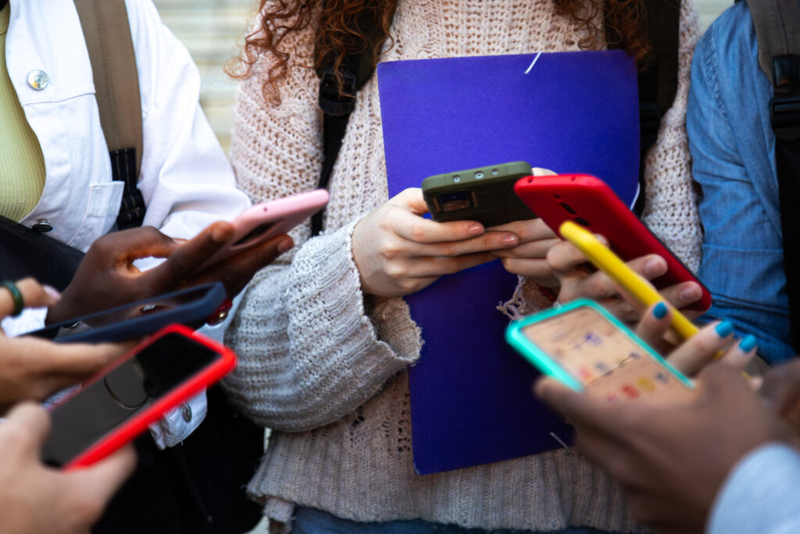
Virginia parents and educators are urging leaders, including the Board of Education, to reduce excessive classroom screen time by considering a draft policy that prioritizes distraction-free learning, physical books, writing, and face-to-face interaction. (Photo by Daniel de la Hoz/Getty Images)
Former educators and parents say Virginia leaders must implement guidelines to regulate the digital tools students use in schools, arguing that technology is obscuring the essential learning methods they need most.
Virginia parents and educators are urging leaders, including the Board of Education, to reduce excessive classroom screen time by considering a draft policy that prioritizes distraction-free learning, physical books, writing, and face-to-face interaction.
The effort comes as schools continue leaning heavily on technology, which has ramped up since the COVID-19 pandemic shut down in-person school instruction five years ago and later reopened, leaving learning gaps that state lawmakers and educators have struggled to address.
Virginia Screen-Free Week encourages you to unplug for a bit
Keena McAvoy, mother and co-founder of DMV Unplugged, a nonprofit focused on reducing kids’ use of smartphones and other technology, said she and others are uncertain what the Virginia Department of Education knows about how technology is being used in schools.
“I don’t think there’s a clear picture of what exactly is happening in schools with technology and … that’s the problem with not having a policy or some sort of acknowledgment of what’s actually happening,” McAvoy said, citing concerns about students accessing graphic material on school devices, playing games and avoiding interactions with classmates.
DMV Unplugged is working alongside Virginia parents, educators, and organizations such as The Balance Project and Distraction Free Schools Policy Project to raise awareness of the issue and push for the policy shifts in the commonwealth.
These groups say digital products should support learning, privacy, and safety, but not risk students’ well-being or use children to make a profit. Many of them spoke at the Board of Education’s business meeting on Thursday.
Cameron Hardesty, a mother of three in Albemarle County, urged the board to drastically reduce or eliminate screen use for young children in schools. She criticized her local school for its heavy reliance on technology and “buzz breaks” for kindergartners, arguing that early, frequent device use makes children “more anxious, more distracted, (and) unable to sustain attention long enough to develop the critical thinking skills they need.”
Amber Rhodes, a former educator and leader with The Balance Project, which promotes balancing a healthy lifestyle and the use of technology, said her colleagues are seeking to support schools and help teachers “do what they do best,” which is teaching.
Rhodes spent eight years as a middle school teacher, with her last year spent serving as an innovative learning coach, helping teachers integrate technology into their classroom lessons.
“I really felt like my first few years of teaching was kind of what we’re trying to get back to … that good pedagogical practice of building relationships with the students, hands-on students exploring… all of those things that we know are good teaching, but the devices have sort of gotten in the way,” Rhodes said.
Proposed policy
Organizers and advocates are proposing a policy package that would establish statewide minimum standards to ensure that digital tools used by students are appropriate, approved and used properly in public schools.
The draft policy would create a statewide framework for approving and overseeing digital products used in public schools.
General Assembly passes bill giving schools more say on classroom phone rules
Additionally, the proposal would give students and caregivers the right to opt out of the use of digital products as part of a student’s education. The measure would also protect teachers if they choose to teach without electronic devices.
Beginning in July 2024, former Gov. Glenn Youngkin signed an executive order to push the commonwealth toward phone-free schools. Subsequently, lawmakers passed legislation giving local school boards more control over how those restrictions are implemented.
What’s next
Sen. Schyler VanValkenburg, D-Henrico, confirmed this week that he will introduce a model policy on the use of educational technology and digital products for the upcoming General Assembly session beginning in January.
The goal, he said, is to start a conversation about the purposeful use of technology and when and where it may be appropriate to minimize its use, as artificial intelligence, social media, video content and other technologies have increasingly been integrated into people’s lives.
Rhodes was one of many parents who spoke in support of the proposed policy at the board’s business meeting.
The research is very new,” Rhodes said. “I think Virginia leaders are going to have to take a look at the research and make a decision about what they think is best based on what’s happening in the classrooms and the research that we have at this point.”
Richmond, VA