Oklahoma cattlemen criticize beef import decision
Aug 24, 2026 | 5:28 pm ET
Description
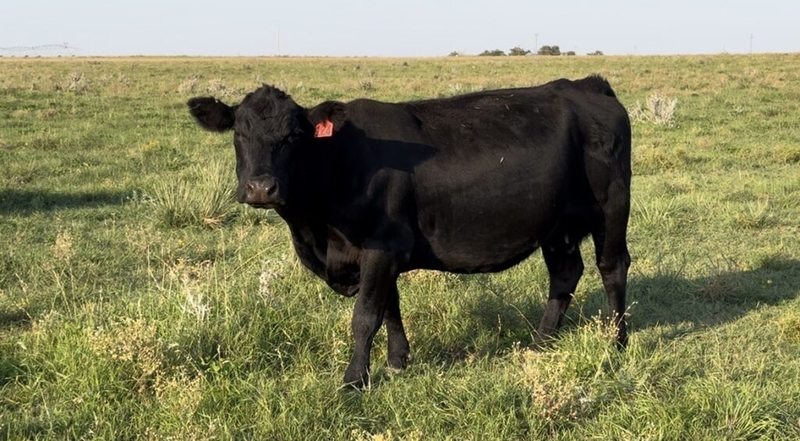
A cow grazes a field in western Oklahoma. (Photo courtesy of Casey Murdock)
OKLAHOMA CITY –Oklahoma ranchers are reeling following a decision by President Donald Trump to allow beef to be imported and sold 25% below market.
The Republican announced he will allow 300,000 metric tons of ground beef to be imported without tariffs in the next 90 days in an effort to reduce costs for consumers. As of July, ground beef was selling at a 40-year record high average of $6.89 per pound, according to an analysis by the Federal Reserve Bank of St. Louis.
Producers say Trump’s plan will drive down prices for calves as they prepare to go to market.
Michael Kelsey, Oklahoma Cattlemen’s Association executive vice president, said the announcement was “disappointing” and “surprising” and comes at a difficult time for cattle producers.
Producers are preparing to sell calves that were born in the spring, he said.
Market interference erodes confidence, he said.
The nation is at historic lows in cattle production largely due to drought, he said.
Drought increases the price for feed, he said.
In the grand scheme of things, 300,000 metric tons without tariffs in 90 days is not a big deal, but the timing is an issue, he said.
Sen. Casey Murdock, R-Felt, raises cattle.
“The timing could not be worse,” Murdock said. “It is cratering the market when these ranchers are preparing to sell their calf crop.”
Ranchers have spent money on fuel, fertilizer, food and other items to raise the animals and are hoping to make a profit, he said.
“What a lot of people don’t know is these ranchers get one paycheck a year when they sell their calf crop,” Murdock said.
He said the number of cows produced will continue to drop as long as the drought persists.
What is happening in the Middle East, such as the war with Iran, is contributing to higher fuel prices, said Gary Jones, a cattle producer.
He said he will get considerably less for cattle he sells now compared to six months ago.
“The only thing I can see is that Trump is trying to figure out how to bring down the cost of living and to combat that he is putting that burden on the U.S. cattlemen,” Jones said.
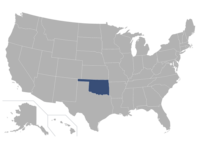
Oklahoma City, OK