Michiganders are going hungry in the wake of federal food assistance cuts
Aug 06, 2026 | 8:00 am ET
Description
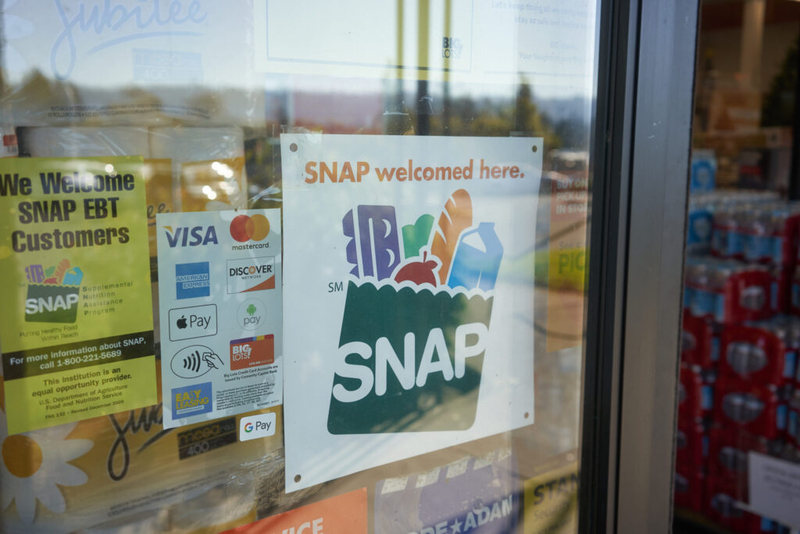
The entrance to a Big Lots store in Portland, Oregon. (Stock photo by hapabapa/Getty Images)
Just over a year after passage of the so-called “One Big Beautiful Bill Act” (OBBBA), Michigan families are feeling its harm. The federal megabill cuts billions of dollars in food assistance and healthcare for struggling households to give further tax breaks to the ultrawealthy.
While good jobs remain hard to come by in Michigan and food prices continue to rise, the bill’s new layers of red tape have contributed to the loss of benefits under the Supplemental Nutrition Assistance Program (SNAP) for more than 145,000 Michiganders.
As OBBBA strips grocery money from the families with the least, it will reduce the annual tax bills for the top 1% of Michigan households (those with incomes of at least $715,000 a year) by an average of $49,220.
Federal law limits adults without disabilities to three months of SNAP benefits every three years unless they prove they’re working at least 80 hours per month. Before OBBBA, people 55 and older and parents of minor children were exempt from the time limit. OBBBA increased the upper age threshold from 55 to 65 and narrowed the parental exemption to those with children under 14.
The result? One of every three Michiganders who have lost SNAP benefits following OBBBA’s passage is a child. Kids already face disproportionately high food insecurity rates, making the targeting of their families for cuts extra cruel.
The bill is also worsening the growing hunger crisis among older adults. From 2021 through 2024 (the most recent year for which data is available), the number of Michiganders ages 50 and older experiencing food insecurity increased by 59%.
And disabled people are losing vital food benefits, too. Although they’re exempt from the work requirement, SNAP’s definition of “disability” is one of the narrowest of any safety net program. It leaves out many with significant and long-term conditions and doesn’t acknowledge that disabled people often face the greatest challenges in proving they qualify for an exemption.
Hunger was already rising, and we expect it to grow more rapidly as people lose their food and healthcare benefits altogether under OBBBA. It will be harder to measure, however, because in 2025 the federal government stopped comprehensive tracking and reporting of food insecurity rates.
The federal administration can try to hide evidence of the harm stemming from OBBBA and other recent policies. But they can’t hide the increases in need our local food pantries are seeing month after month or the soaring prices we feel on every trip to the grocery store. They can’t hide what we see happening to our families, friends and neighbors.
We applaud our state legislature and Gov. Gretchen Whitmer for continuing to support state-level programs that make it easier for Michiganders to get healthy food. These include Double Up Food Bucks, Ten Cents a Meal and funding for universal school breakfast and lunch.
But these initiatives are meant to complement SNAP, not replace it. And they could all be at risk in the coming years, too, as OBBBA shifts hundreds of millions of dollars in SNAP costs from the federal government to our state budget.
For many Americans, even full-time work doesn’t pay enough to cover basic needs. Seven in 10 workers using SNAP work at least 35 hours per week. The companies paying these workers poverty wages — like Walmart and Amazon — are some of the world’s largest and most profitable.
Those who already have more than they could spend in multiple lifetimes can’t continue taking from those who are struggling just to afford survival needs. It’s time for our lawmakers to put families over billionaires.
Lansing, MI