Colorado history rhymes
Aug 06, 2026 | 5:30 am ET
Description
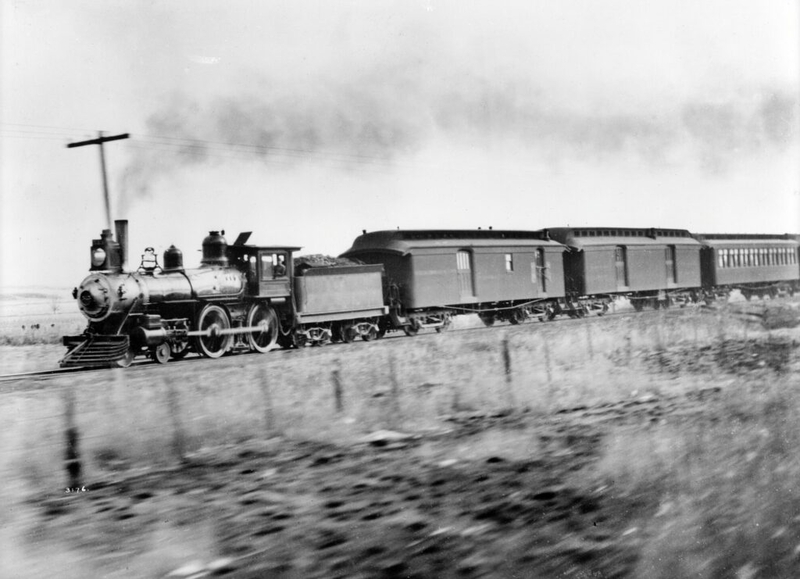
A locomotive on the Atchison, Topeka, & Santa Fe Railroad in southern Colorado is pictured in this 1880s photograph. (Courtesy of Denver Public Library Special Collections, MCC-3176)
Daily life in early Colorado history can seem alien to modern observers.
In 1876, the year of statehood, it could take weeks for mail to arrive in Breckenridge, then a hamlet of 250 people that was accessible by wagon road. Denver’s daily newspaper contained numerous items about who in town had gone on vacation and who had arrived to visit. Beer was 10 cents a glass. Needless to say, there was no screen time.

But in other ways, 15 decades of events affirms the adage about how history doesn’t repeat, it rhymes.
Newsline this year, as part of Colorado at 150, is publishing stories about the Colorado of 1876, and it recently completed a special reporting series, Fifty for 150, comprising 50 stories about events that helped define Colorado since the proclamation of its statehood. Part of what makes these articles fascinating is how different life used to be, but they also recount episodes that resonate hauntingly with modern times.
Colorado is the site of several infamous mass shootings, including those that occurred at Columbine High School, an Aurora movie theater, and the Club Q nightclub in Colorado Springs. Gun violence prevention is a perennial topic at the Legislature, and deadly shootings are up in Denver this year. But the state has a long history of gun violence, a report by Chase Woodruff revealed.
“Between 1862 and 1872, research has estimated, the homicide rate in Colorado’s Central City averaged 68 per 100,000 residents per year — a higher rate of deadly violence than plagues even the most dangerous U.S. cities today,” Woodruff wrote. In the American West, he wrote, “Shootings by law enforcement officers were common, as were acts of quasi- or extrajudicial violence by sheriff’s posses or other vigilante groups.”
In 1870s Colorado, a populist movement developed against railroad corporations, which through lobbying and bribery shielded themselves from government interference and established the template of Gilded Age inequality and corruption. Swap out railroad barons for tech oligarchs and you’ve got a modern echo of that former dominance, as today’s grassroots backlash to toxic wealth, as well as timidity before it, resembles the varied response to corporate magnates of the late 19th century.
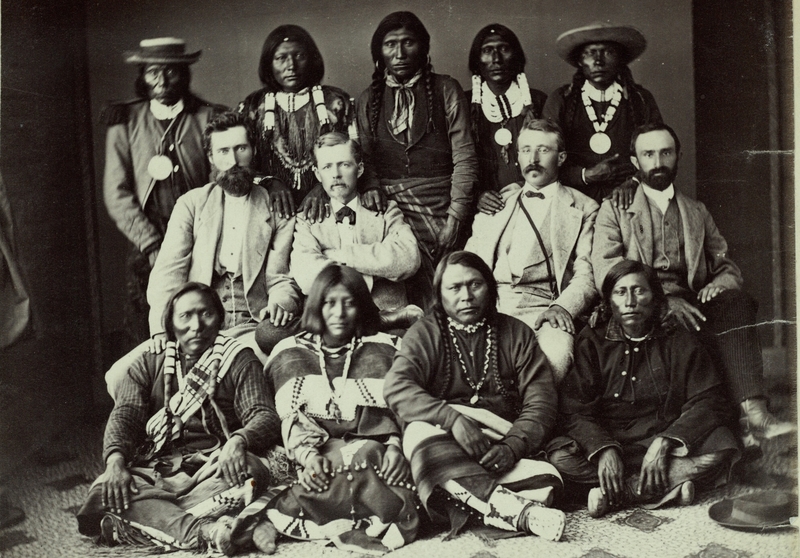
A recurring theme throughout Colorado history is the mistreatment of vulnerable people and communities. The most extreme example of this kind of abuse involves the Ute people and the government’s egregious betrayal of them. An 1868 treaty promised them “absolute and undisturbed use and occupation” of most of the Western Slope, but the U.S. government broke that promise four years later as gold and silver prospectors began to trespass in the region, which is thought to have sustained the Utes and ancestor cultures for as many as 13,000 years. Today, Ute tribes occupy two small reservations in southwestern Colorado.
In 1880, a white mob attacked Chinese residents in Denver and burned and raided most of their businesses. The police did little to stop this mass act of bigotry.
During World War II, Colorado was the site of an incarceration camp for Japanese Americans who were falsely suspected of disloyalty and forcibly removed from their homes. The camp in Granada held more than 7,000 people.
In one of the most astonishing moments of state history, Gov. Edwin “Big Ed” Johnson in 1936, during the Great Depression, deployed National Guard troops to the border with New Mexico to turn back “indigent” people. The move came during a time when many in Colorado scapegoated Mexicans for economic stress.
Sound familiar? This and other instances of discrimination prefigured the immigration enforcement horrors unleashed by the Trump administration. Most Coloradans oppose the mass deportations carried out by U.S. Immigration and Customs Enforcement agents, but too many leaders in the state have behaved with the kind of complicity and cowardice that has always been necessary for government discrimination to occur and which is always condemned by subsequent generations.
As it happens, ICE’s history of harassing Coloradans goes back to its earliest years. In 2006, it launched the largest instance of workplace immigration enforcement in U.S. history. One of the sites targeted in the operation was a meatpacking plant in Greeley.
The Fifty for 150 series also highlights people and moments in which Coloradans can take pride, such as a Boulder County clerk’s watershed actions to advance LGBTQ+ rights, a governor’s intervention on behalf of striking miners in 1894, the passage of a civil rights law in 1895, and Chicano Movement leadership in the 1960s.
In every case, the verses of history have something to say today, as we inscribe fresh lines that future Coloradans will read as new rhymes.
Denver, CO