Hawai‘i Could Hit New Low For Voter Turnout This Year
Aug 06, 2026 | 6:01 am ET
Description
Photo courtesy of Honolulu Civil Beat
Hawai‘i seems to be on track to set a new record low when it comes to voter turnout, with the number of votes cast in the primary so far trailing 2024 — a year that saw the lowest primary turnout since statehood.
That's based on preliminary numbers comparing totals from the same number of days before the last two primaries.
As of Monday, 145,486 ballots had been returned statewide, according to the Hawaiʻi Office of Elections. Thatʻs a 9% drop compared to 158,688 at the same point in time in 2024 and a 24% decrease from 186,000 in 2022 – the last midterm election.
Judith Mills Wong, vice president of the League of Women Voters of Hawaiʻi, called it a disappointing showing so far.
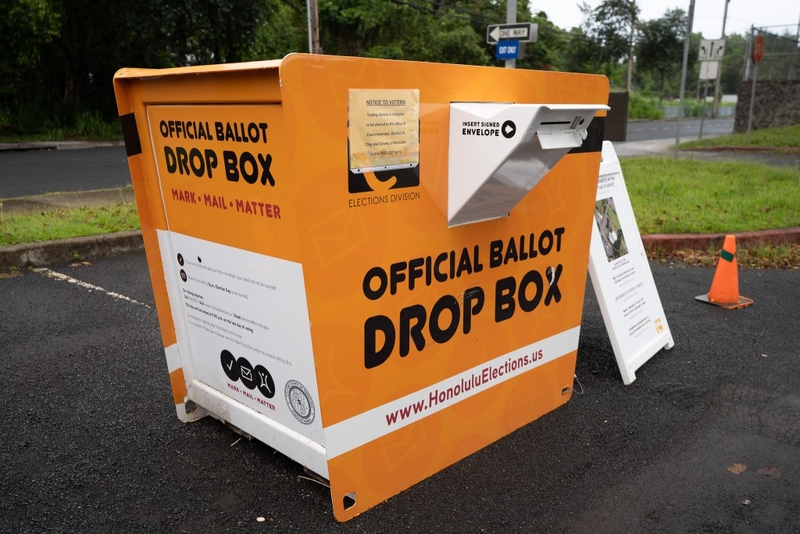
“I hope that people who are still sitting on their ballots will get them to a drop box quickly," she said.
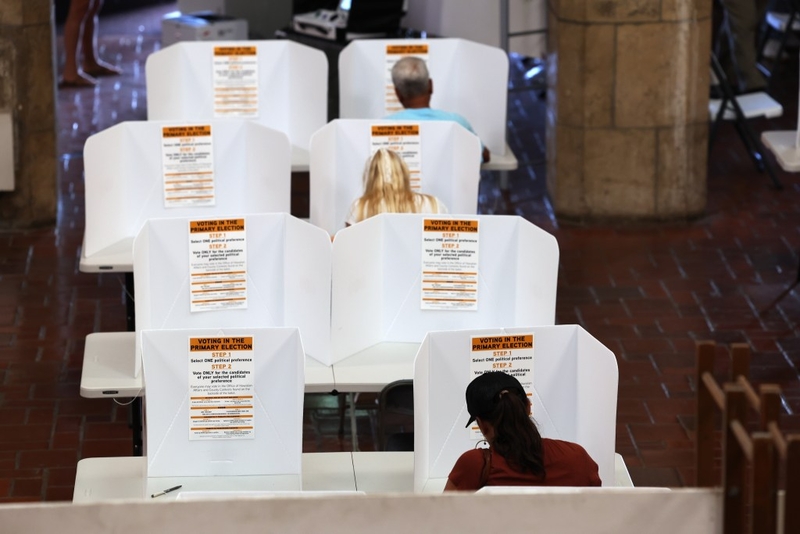
It wasn't always this way. Hawaiʻi saw high voter turnout — more than 84% — in 1959, the year the islands became a state. But voter participation has dropped since. It fell below 50% in 2000 and below 40% in 2008, according to the state elections office. The introduction of voting by mail in 2020 gave the turnout rate a bump but hasn't reversed the overall trend.
As of Wednesday, 179,223 primary votes had been cast statewide by electronic and mail ballots and early in-person voting – 21% of 846,453 registered voters. With only two days before the official primary day on Aug. 8, that turnout is still running well behind the 28.8% of registered voters who turned out in the 2024 primary.
“It feels like itʻs on a par with the last election,” Chief Election Officer Scott Nago said Wednesday, “but you never know what will happen at the last minute.”
The drop in raw ballot numbers were most obvious on Oʻahu and the Big Island, neither of which have marquee races on the ballot. Despite some controversy over Honolulu Council District 4, the other council races haven’t generated much buzz, with two incumbents running unopposed. Mayors Rick Blangiardi and Kimo Alameda are not up for reelection.
The City and County of Honolulu had 99,815 ballots in hand Monday, compared to 106,259 in 2024 and 130,795 in 2022. By Wednesday the number had crept up above 120,000.
In Hawaiʻi County 22,329 votes had been cast as of Monday compared to 29,665 in 2024 and 29,651 in 2022. By Wednesday, Hawaiʻi County votes had caught up somewhat, reaching 28,253.
Active Voting On Kauaʻi And Maui
Returns so far on Kauaʻi and Maui however –– where there are competitive mayoral and council races –– were comparable to or exceeded numbers from the last two primary elections.
The Kauaʻi County Office of Elections had 9,294 ballots in hand Monday compared to 7,200 in 2024 and 7,631 in the last midterm election in 2022.
By Wednesday, that had risen to 11,526 – close to the final primary vote turnout in the last midterm in 2022.
Kauaʻi tends to have high turnout generally, said political scientist Colin Moore of the University of Hawaiʻi Mānoa.
“I think that turnout is entirely due to the competitive mayoral race,” he said. “Thereʻs been a lot of spending with three well-known candidates, and competition in elections drives turnout.”
On Maui, 15,748 votes had been cast Monday, compared to 15,564 in 2024. Both those totals are far below the 18,025 votes on the same day in 2022, but by Wednesday there were 18,867 ballots counted, exceeding the final total at the last midterm primary.
Moore said the mayoral race between incumbent Richard Bissen and challenger Yuki Lei Sugimura is similarly driving turnout on the Valley Isle.
“The only big statewide race is for the lieutenant governor, and so I think for the average voter and the Oʻahu voter, thereʻs less at stake,” he said.
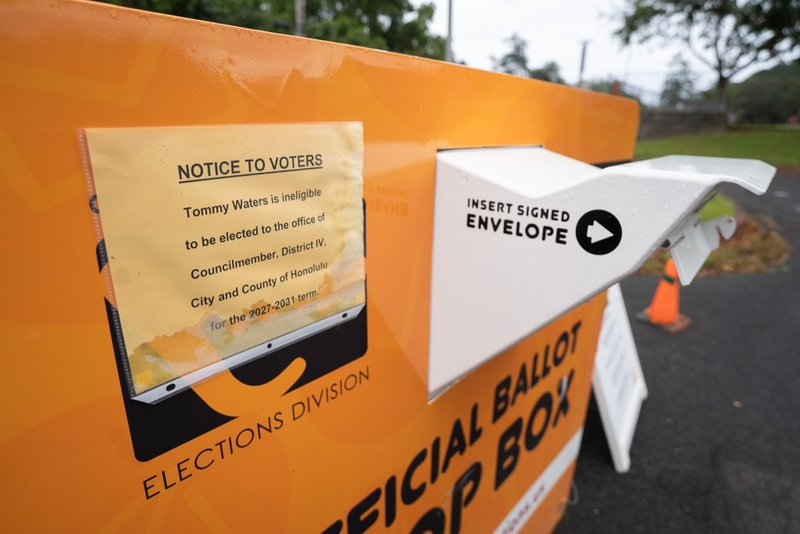
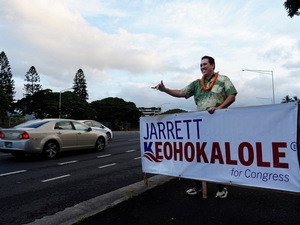
The race for Congressional District 1 where incumbent Ed Case is in a primary against Jarrett Keohokalole, and Congressional District 2 where Jill Tokuda is not facing any serious primary opposition, donʻt seem to have been a factor in turnout either.
Considering the better numbers in Kauaʻi and Maui counties, Wong said exciting races seem to spur participation.
“I certainly wish we could get people to care about voting every election,” she said.
Wednesdayʻs ballot numbers are unofficial and subject to change — and people can still register at voter service centers or online. The totals also include invalid mail ballots returned to voters for additional verification that must be refiled by Aug. 14 to count. There were 1,543 in that category in the latest report.
Lower turnout in the primary doesn’t always point to low turnout in the general either.
While voter turnout in the 2024 primary election was at a low point, the final turnout in the general election was 60.7% likely because of the presidential race. Registration and turnout can be expected to increase for the general election this November, too, but Moore does not anticipate a dramatic change given the lack of a presidential race.
Hawaiʻi voters have shown their support for in-person voting on the Election Day. During the the 2024 general election, there were long lines at polling sites, including on Maui and on Oʻahu. At Honolulu Hale, the last vote wasn’t cast until after 11 p.m.
Civil Beat politics editor Chad Blair contributed reporting.
Honolulu, HI