Maui Candidates Are Benefitting Big From PACs
Aug 07, 2026 | 6:01 am ET
Description
Photo courtesy of Honolulu Civil Beat
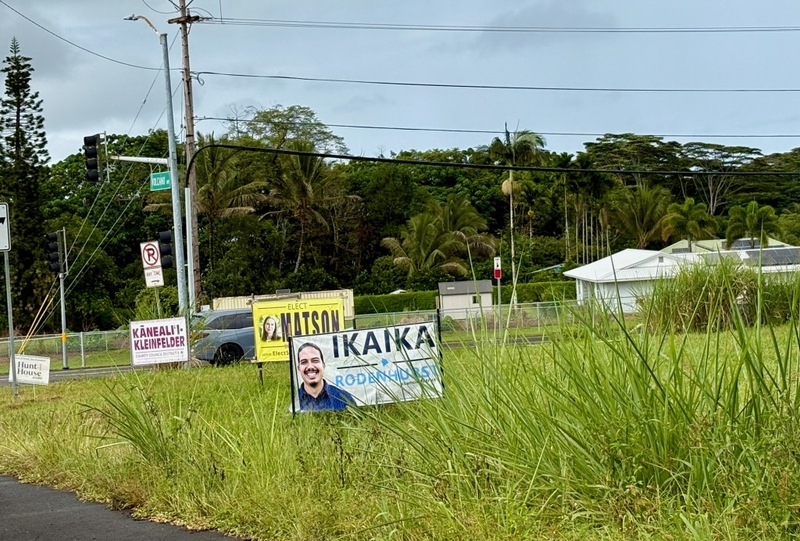
Political action committees have spent big on statewide races in the upcoming primary, but money from PACs has also flowed to mayoral races on Kauaʻi and Maui and council races in all four counties.
About 1 in 7 dollars spent by PACs and super PACs this election cycle went toward candidates for county-level positions on neighbor islands — a total of $1.5 million.
About half of that money went to Maui with more than $900,000 spent across council races and the run for mayor as of July 24. That’s more than double the amount put toward races on Kauaʻi and triple what was spent on Oʻahu and the Big Island, where PACs and super PACs spent about $388,000, $268,300 and $213,800, respectively.
Groups with ties to labor and development ponied up the bulk of money, but lobbying and real estate interests were also opening their coffers to support particular candidates.
Which PACs Are In Play?
Major players with ties to construction and development have spent more than $1 million backing candidates in local races on neighbor islands.
While PACs give money directly to candidates, super PACs cannot coordinate with campaigns. For A Better Tomorrow, a super PAC with ties to the carpenters union, spent more than $974,000 to support candidates across all four counties, most of which was spent on neighbor islands. More than half of the money – about $565,522 – went to support candidates on Maui.
Other carpenter-related PACs spent roughly $20,000, mostly on candidates in the council race on Oʻahu. Those two groups, Hawaii Regional Council of Carpenters Political Action Fund and the Hawaii Carpenters Market Recovery Program Fund PAC, collectively spent about $5,300 on neighbor islands.
The next biggest spender this election cycle was HiVISION2020, a super PAC with connections to the plumbers and pipefitters union. The group has put more than $167,000 toward ads in support of candidates in mayoral races on Maui and Kauaʻi, backing Yuki Lei Sugimura and Mel Rapozo, respectively.
Other labor groups also spent a significant chunk of the money backing candidates in neighbor island races, with ILWU Hawaii Political Action Committee, the Plumbers & Pipefitters Political Action Committee and Operating Engineers Local Union 3 Hawaii District 17 PAC each putting more than $20,000 behind neighbor island candidates.
PACs And Super PACs Back A Slate Of Candidates
Of all local races across all counties, Maui mayoral candidate Yuki Lei Sugimura received the most support from PACs and super PACs, with a total of nearly $350,000. Most of that money – about $183,000 – came from For A Better Tomorrow, but HiVision also spent about $94,000 to back Sugimura in her bid against incumbent Mayor Richard Bissen.
In contrast, Bissen has received less than $100,000 from PACs and super PACs, and many of the groups that did back him are tied to labor unions such as the Hawaii Workers Strong, which is funded by a trust tied to the Hawaiʻi Government Employee Association, as well as the United Public Workers, the Operating Engineers union and the International Longshore and Warehouse Union.
In the Maui council race, the candidate with the most support from PACs and super PACs was Tasha Kama, who died last year. Her replacement, Kauanoe Batangan, took over the ticket, and has since received about $60,000 in support from PACs and super PACs.
The debate over short-term rentals has dominated Maui politics in the last year, and this election as well. Batangan’s biggest PAC supporter by far has been the American Resort Development Association Resort Owners Coalition PAC, a super PAC that represents the interests of timeshare and resort owners. Sugimura was a vocal critic of Bissen's proposal to convert several thousand vacation rentals into long-term housing for residents though Bill 9, which ultimately passed. Both have supported building new housing developments on the island.
Meanwhile, Batangan’s competition in the race to represent Kahului – Jason Ababan and Carol Lee Kamekona – haven’t received any support from PACs or super PACs, according to campaign finance reports.
Big money is also playing a role in the Upcountry race in the Pukalani-Kula-Ulupalakua district. Derrick Cabiles has received more than $105,000 in support from super PACs and PACs – roughly 23 times that of his strongest competition, well-known farmer Bobby Pahia, who received just $4,500 in support from PACs and super PACs.
On Kauaʻi, For A Better Tomorrow has thrown its weight behind Bernard Carvalho with more than $118,000 spent to support his campaign for mayor – more than 85% of the $138,000 that all PACs spent to back him. Another candidate in the race, Mel Rapozo, has raised more money overall than Carvalho, with a smaller percentage from PACs and super PACs. The four other candidates in the mayoral race have not received any financial support from PACs or super PACs.
The Kauaʻi council race has seen less investment from big money groups than the mayoral race. Of the 26 candidates, only two – Todd Ozaki and Dane Smith – have received more than $11,000 in backing from PACs or super PACs. There are four open seats on the seven-member council this election.
Candidates in the council races on the Big Island have received less big money support than their peers in other counties. Almost half of all candidates didn’t get any financial backing by PACs or super PACs. On average, the candidates that did only got about $11,000 in financial support, although some, like James Hustace, Heather Kimball, Chantel Makuaole-Perrin and Edgar Ombac got significantly more.
On Oʻahu, the primary races for City Council haven’t involved much PAC support. Tommy Waters, the candidate who received the most support from big money groups, was determined to be ineligible for another term shortly before the primary election. No other candidate comes anywhere close, but two candidates – Matt Weyer representing District 2 and Tyler Dos Santos-Tam representing District 6 – each received more than $40,000 in support from groups including the ILWU Hawaii Political Action Committee and Hawaii REALTORS Political Action Committee.
Honolulu, HI