Judge blocks bid to end oversight of bank accused of discrimination in Newark
Aug 05, 2026 | 6:22 am ET
Description
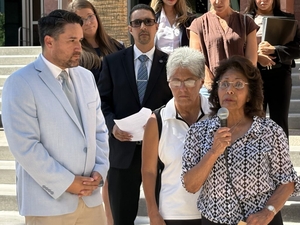
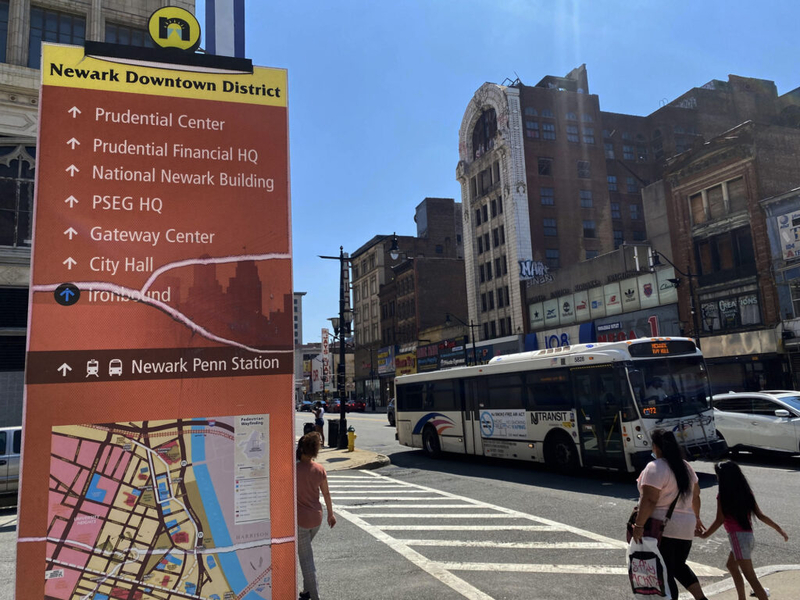
A federal judge has rejected the Trump administration’s effort to end federal oversight of a bank that avoided giving mortgages to people of color and opening bank branches in Black and Hispanic communities in the Newark area. (Photo by New Jersey Monitor)
A judge has rejected the Trump administration’s effort to end federal oversight of a bank that avoided giving mortgages to people of color and opening bank branches in Black and Hispanic communities in the Newark area.
U.S. District Judge Claire C. Cecchi refused Friday to terminate the five-year consent decree Lakeland Bank agreed to follow in 2022 to resolve allegations it engaged in systematic, intentional discriminatory practices known as redlining.
The ruling means the bank will remain under court oversight until September 2027, as the consent decree requires.
Bank officials and Trump administration officials had argued in court filings that Lakeland had “substantially complied with” court-ordered reforms.
But Cecchi noted that the bank has unfinished obligations, including some that are “sizeable.” She pointed to a requirement that Lakeland establish a $12 million subsidy fund for customers seeking home mortgage, improvement, and refinance loans, noting that the bank has yet to disburse more than $4 million of that fund.
“A promise to reach substantial compliance in the future is not substantial compliance,” Cecchi wrote.
Lakeland merged with Provident Financial Services in 2024. Provident spokesman Keith A. Buscio said the company is “committed to fulfilling the terms of the original consent order with the Department of Justice.”
The department secured the consent decree in 2022 when Philip Sellinger, a Democratic appointee, was U.S. attorney in New Jersey but backpedaled after President Donald Trump took office last year and ordered federal agencies to reevaluate consent orders stemming from “disparate impact.” That drove Justice Department officials to try to terminate oversight of banks accused of redlining, including Lakeland and ESSA Bank & Trust in Philadelphia.
A different federal judge last summer ordered oversight of ESSA to continue, and the feds did not appeal that decision, so advocates for low- and middle-income residents don’t expect the feds to appeal Cecchi’s ruling either.
Department spokespeople did not respond to a request for comment.
Advocates had demanded Lakeland’s consent decree to remain in place, saying that ending it would threaten progress since 2022 and leave them with no remedy if the bank’s compliance falters.
Dan Urevick-Ackelsberg, senior attorney at the Public Interest Law Center, represented advocates in court. He called the effort to end oversight early “part and parcel of … an administration that is trying to tear down every vestige of the pillars of our nation’s civil rights legislation.”
“The people of Newark and its surrounding areas are entitled to a lending market free from discrimination, period,” Urevick-Ackelsberg said. “This ruling will help them have it.”

Trenton, NJ