Ethics advocates say state lawmakers should bear responsibility for political junkets
Jul 30, 2026 | 6:01 am ET
Description
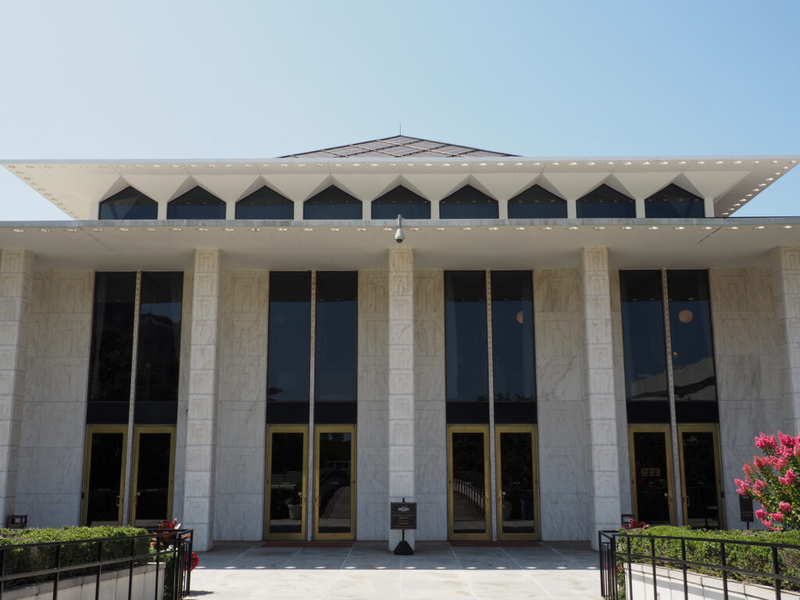
The North Carolina State Legislative Building in Raleigh on July 1, 2026. (Photo: Claire Michal/NC Newsline)
New warrants show a nonprofit group connected to lobbyists facing criminal charges for buying gifts for lawmakers spent even more than previously known – nearly $80,000 on golfing, a vacation property, strip clubs, and the Carolina Panthers from 2022 to 2024.
So far, though, no current or former lawmakers are facing any consequences for accepting any gifts from the group, and good-government watchdogs are asking why.
The nonprofit group, Greater Carolina, came under investigation after four lobbyists were charged in association to a 2024 bourbon tasting tour in Kentucky it organized for state lawmakers and staffers.
The group also organized a similar 2022 tour, but the four lobbyists were charged with arranging for lawmakers to be given illegal gifts through Greater Carolina’s donations during the 2024 tour only, according to prosecutors. All have pleaded not guilty to the charges.
Four prominent NC lobbyists indicted over bourbon-tasting junket
Legislators are required to disclose gifts over $200 in their statement of economic interest according to the State Ethics Act. Of the eleven legislators that attended the trip in 2022 and the nine who attended in 2024, only one disclosed the trip on their statement of economic interest: former state representative and current state Senator Tim Moffitt, R-Henderson.
A recent warrant in the case exposed additional spending made between 2022 and 2024 by Greater Carolina totaling nearly $80,000. The warrant says the results “may be evidence” of criminal activity separate from the bourbon tour.
Those expenditures included:
- $10,981.14 at Topgolf in Atlanta in August of 2022.
- $26,454 on the Carolina Panthers between 2022 and 2024
- $26,602,84 on vacation rental in Emerald Isle for a week in June of 2024.
- $15128.8 to two companies characterized as owning a “gentleman’s club” in August of 2024.
Some good-government watchdogs say the investigation should focus just as much on legislators as lobbyists.
Jane Pinsky, a longtime advocate for ethics reform, said the public needs to hold officials responsible for reporting of every gift they receive.
“The onus rests more heavily on legislators because they’re our employees, and people need to remember that they are paid with our tax dollars,” Pinsky said. “Lobbyists are paid with somebody else’s money, but it needs to be reported.”
Greater Carolina, like many nonprofit political groups, is tax exempt because its official mission is educating the public. Its primary educational concentration is on sports betting, according to the warrant.
The company’s status as a 501c4 social welfare group also allows them to lobby for legislation, and to keep the names of donors and how they’re spending their money confidential.
While 501c4s can’t intervene in political campaigns, these types of advocacy organizations are common tools of political influence, said Bob Philips, a longtime ethics advocate and former director of Common Cause North Carolina. He said it violates the spirit of the law.
“To me, it is possible that it is legal, and if it is like I said earlier, the North Carolina General Assembly must address that.” Philips said “But it sure looks like a pass-through to allow the c4 lobbyists to wine and dine a special group of lawmakers, and that is wrong.”
Paul Stam, a longtime Republican lawmaker from Wake County, has also been an outspoken advocate for ethics reform. He agrees state lawmakers should tighten regulations for politically connected organizations hosting “educational” events for legislators.
“That thing in the trip to Louisville, you know, may have been shown as some kind of educational experience, but it wasn’t — it was just a way to curry favor with people,” Stam said. “So you have to have rules, and they do need to look at it every year to make sure the rules are followed.”
Raleigh, NC