ARC says it has settled with federal government over billing issues
Jul 17, 2026 | 6:44 am ET
Description
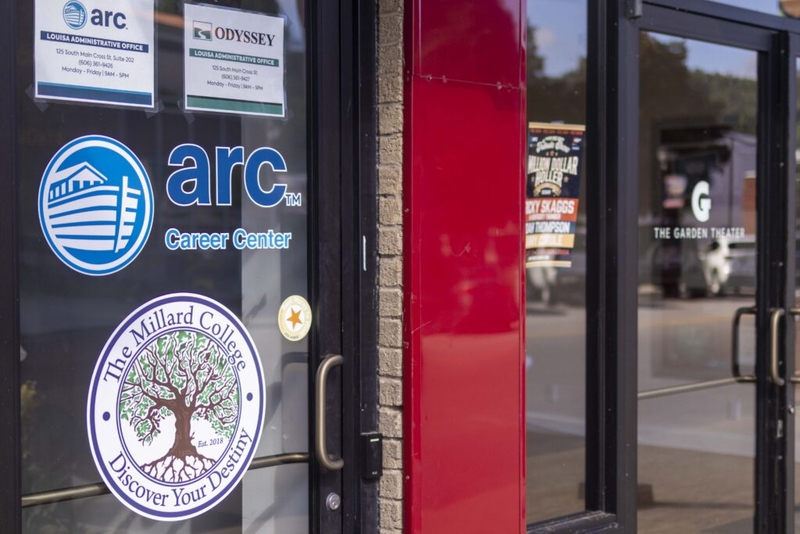
Addiction Recovery Care building in Louisa, photographed June 27, 2024. (Kentucky Lantern photo by Matthew Mueller)
Addiction Recovery Care, once Kentucky’s largest provider of addiction services, has reached a settlement with the federal government over “billing issues,” the Louisa, KY-based company said in a July 16 news release.
It also announced it has reached a separate settlement with a finance company that had accused ARC of fraud.
“The resolution of these matters is an important step forward for ARC and our organization,” ARC CEO Cassandra Webb said in the news release.
The company did not explain the billing issues or whether ARC has agreed to repay the federal government through the civil settlement, only that it represents “a comprehensive resolution of the billing matters.”
But court records in a separate civil lawsuit allege ARC previously had agreed to pay the U.S. Justice Department almost $28 million to resolve allegations of billing problems.
The FBI announced more than a year ago it was investigating ARC for possible health care fraud. The settlement announcement comes six weeks after ARC founder and former CEO Tim Robinson was indicted on federal fraud charges related to finances at his company.
He has pleaded not guilty to the charges. A trial is scheduled Aug. 10 in Ashland.
Drug treatment CEO pleads not guilty to federal fraud charges
ARC – which at its peak had about 1,800 residential treatment beds and 1,350 employees – has foundered over the past year amid reports of the FBI investigation into possible health care fraud, closing programs and laying off hundreds of employees. ARC, a for-profit company, owned by Tim Robinson and his wife, Lelia, receives nearly all of its revenue from Medicaid, the government health plan for low-income individuals.
Mark LaPalme, a Danville-based treatment provider who once worked with Robinson and has been critical of ARC, said Thursday he hopes the civil settlement doesn’t represent the end of the case.
“Treatment is a business,” said LaPalme, senior consultant for All Together Recovery. “It’s a business about helping people and protecting the systems that provide that help, not abusing people.”
The U.S. Justice Department press office did not immediately respond to a request for comment.
In a separate, civil lawsuit filed in January in federal court in New York, two finance companies accused ARC of fraud by selling them both the same $8 million in federal tax credits, then failing to repay either company.
One of the companies, Angelica Capital Trust, claimed ARC was on the “brink of insolvency” and said ARC engaged in “massive fraud” by submitting millions of dollars in false claims to Medicaid and Medicare, both government health plans.
It said ARC, to attempt to resolve an ongoing federal investigation, had negotiated a proposed settlement with the U.S. Department of Justice to pay the government $27.7 million, $16 million of which is restitution.
According to a copy of the proposed settlement, which Angelica filed in court, the federal investigation began after some individuals filed a “qui tam,” or whistleblower lawsuit alleging fraudulent practices by ARC. Such cases typically are sealed while the government investigates.
Allegations under investigation include that ARC and its affiliates falsified medical records, billed for services already paid for by other programs, provided and billed for “medically unnecessary services” and unlawfully distributed certain medications used to treat addiction.
“This settlement agreement is neither an admission of liability by the ARC entities nor a concession by the United States that its claims are not well-founded,” the proposed agreement said.
A second company, Clear Cove Capital, also accused ARC of defrauding it by selling it $8 million in tax credits it failed to repay when ARC received the funds from the IRS.
ARC’s news release Thursday said it has reached a confidential “mutual resolution” of the dispute with Clear Cove.
The federal charges against Robinson do not appear related to billing or Medicaid payments. Rather they appear to relate to fraud claims made by the two finance companies in the federal lawsuit.
The federal indictment alleges that Robinson in 2022 and 2023 committed fraud by selling federal tax credits to “Buyer 1” and “Buyer 2” but failed to repay either firm when ARC received the money, instead spending it on “operational costs and debt obligations.”
The tax credits were federal funds employers could claim during the pandemic for retaining employees. The federal lawsuit alleges Robinson sold the same tax credits to two financial firms with a pledge to repay them with interest when ARC received the money from the government.
The federal charges also seek forfeiture of any assets used in commission of federal offenses.
They carry a penalty of up to 30 years in prison and $500,000 in fines.
Frankfort