Des Moines priest sues feds over the imminent expiration of his work authorization
Jul 17, 2026 | 4:12 pm ET

Description
(Photo by David Talukdar/Getty Images)
A priest from Nigeria, now working for the Roman Catholic Diocese of Des Moines, is suing the federal government over alleged inaction on his residency status.
Father Sylvester Okoh is suing Secretary of Homeland Security Markwayne Mullin, U.S. Citizenship and Immigration Services Director Joseph Edlow, and Thomas Schuurmans, the director of CIS’s Nebraska Service Center, in U.S. District Court for the Southern District of Iowa.
According to the lawsuit, Okoh was initially admitted to the United States on an R-1 visa, which is a temporary visa for foreign nationals entering the country to work in a religious capacity.
In November 2022, with his previously granted employment authorization set to expire on January 25, 2025, Okoh allegedly filed an application to adjust his residency status. In September 2024, CIS issued a notice indicating Okoh’s work authorization would be automatically extended 540 days due to his still-pending application to adjust his residency status.
That extension resulted in the expiration of Okoh’s work authorization being set at July 19, 2026, unless CIS acted on his application before that date.
If Father Okoh loses work authorization, he will be required to stop work at the Roman Catholic Diocese of Des Moines in his position at Des Moines metro chaplaincy.
With that expiration date now days away, the lawsuit alleges, Okoh is at risk of losing his work authorization due to the “unreasonable delays” in processing his residency-status application.
If that happens, the lawsuit contends, “he will be unable to perform his religious duties to his parish as a priest of the Roman Catholic Church. If Father Okoh loses work authorization, he will be required to stop work at the Roman Catholic Diocese of Des Moines in his position at Des Moines metro chaplaincy. This abrupt halt to his work permission will interfere with religious services for the diocese.”
The delay has already caused “significant emotional hardship” to Okoh, as well as “financial and emotional hardship to the diocese,” the lawsuit alleges.
The lawsuit contends that CIS has delayed action on Okoh’s application based on the agency’s December 2025 policy memoranda placing an indefinite hold on pending benefit applications from nationals of Nigeria and 38 other countries the Trump administration designated as “high risk.”
The U.S. District Court for the District of Rhode Island recently issued an order vacating and setting aside that policy, finding that it violates the Administrative Procedures Act.
Okoh’s lawsuit cites past court decisions finding that CIS has a duty to adjudicate the adjustment-of-status applications it receives and that it must do so within a “reasonable” period of time — generally not later than 180 days after the initial filing of the application.
The government’s unreasonable delay in processing Okoh’s application has resulted in Okoh “being stuck in limbo and has caused an extreme hardship,” the lawsuit asserts.
The lawsuit seeks to have the court assume jurisdiction over the matter, schedule an expedited hearing, and order CIS to process his application.
The U.S. Department of Justice has yet to file a response to the lawsuit on behalf of the defendants.
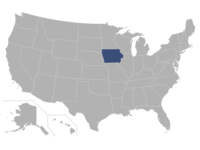
Des Moines, IA