Teen pregnancy prevention cuts hit Wisconsin program connecting health providers and teens
Jun 30, 2026 | 4:30 am ET

Description
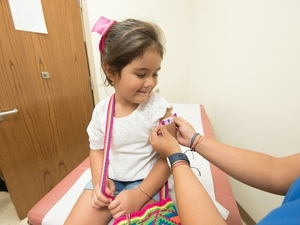
A Wisconsin program that enlists young people to help health providers understand how to effectively connect with teens is among those defunded when the federal government cut most of its Teen Pregnancy Prevention Program grants last week. (Getty Images)
Federal officials have cut off more than $2.4 million in federal funds for 2026-27 and 2027-28 targeting teen pregnancy prevention that would have gone to the Wisconsin health department, according to federal records.
The funds would have gone to a variety of nonprofits and agencies in counties with the highest rates of pregnancy and sexually transmitted infections, federal grant information reviewed Monday showed.
The single largest grant had been allotted to Embolden WI, a nonprofit supporter of health equity and advocacy projects, to help fund a program to improve communication between healthcare providers and Wisconsin teenagers.
Providers and Teens Communicating for Health — PATCH for short — employs teenagers who “have conversations with healthcare professionals about what teens want and need when they show up in the healthcare system and how we can better serve them to make sure that they get the care they need and deserve,” said Amy Olejniczak, the founder and executive director of PATCH.
PATCH has been operating since 2010, hiring, training and paying the teen participants who conduct workshops and serve as consultants for healthcare providers, including providers who are working to prevent teen pregnancy.
“Our role as PATCH is take what we know about working directly with youth and to help other organizations doing more direct teen pregnancy prevention work around the state improve their youth engagement, and make sure that they are engaging youth in ways that are effective and improving the quality of work that they’re doing,” Olejniczak told the Wisconsin Examiner on Monday. “A lot of what we do is work to improve communication between teens and the adults that serve them.”
About 300 Wisconsin teens have participated in PATCH since it launched, Olejniczak said. Currently 75 teens ages 14 to 18 take part all around the state.
In addition to putting on workshops for healthcare providers, they also hold peer workshops for other teens, “talking to other youth about how to start to manage their own healthcare experiences,” Olejniczak said.
The federal government cut the funds immediately on Friday, June 26. PATCH lost $130,000 for the July 1, 2026-June 30, 2027 fiscal year and another $130,000 for the July 1, 2027-June 30, 2028 fiscal year. In addition, the program lost $3,700 that remained for the current fiscal year.
An annual grant to the Wisconsin Department of Health Services was among 53 grants out of 67 grants under the Teen Pregnancy Prevention Program that were canceled Friday by the U.S. Department of Health and Human Services.
Stateline reported the canceled grants totaled about $68 million and affected grant recipients in more than two dozen states. The canceled grants included funds awarded to universities, community organizations, state health departments and Planned Parenthood affiliates in some states.
The grants were canceled two years before their expiration dates because, recipients were informed, the programs did not align with agency priorities, one of the grantees who received a termination notice told Stateline — specifically that the program “normalizes or promotes sexual activity for minors.”
Teen birth rates have fallen dramatically over the past two decades, Stateline reported. Experts attribute the drop to fewer teens deciding to have sex earlier, sex education and better access to contraception, especially for girls. .
The Teen Pregnancy Prevention Program was launched in 2010 in the HHS Office of Population Affairs.
On Monday, Embolden WI credited the federal program with helping to reduce teen birth rates nationally by 72% since 2007. The organization called that “a historic public health achievement that experts attribute to evidence-based programming, improved access to health information, and the kind of sustained investment in adolescent health that TPP was designed to support.”
Federal records that were still accessible Monday showed that the Wisconsin Department of Health Services was approved for $1,215,905 per year on a five-year cycle through June 2028. The funds were in turn distributed as subgrants around Wisconsin, including to Embolden WI for PATCH.
DHS did not respond Monday to a request for information about subgrant recipients affected by the federal action. A list that the department shared with recipients includes public health departments in Bayfield, Clark and Oneida counties, the Verona Area School District and more than a half-dozen other nonprofits, with grants ranging from $10,000 to $125,000.
Olejniczak said the PATCH program has helped guide health providers and public health organizations to communicate with teens more effectively.
“We actually love working with med students and nursing and PA [physician assistant] students because they’re just getting started in their training. And we want to make sure that they’re thinking about their patients from their perspective,” she said.
The program works with a variety of local health clinics. For the teens who take part, the experience also serves as a job-readiness program, she said, leading some to enter healthcare professions such as nursing.
The grant covered about 25% of the PATCH annual budget. Olejniczak said PATCH and Embolden WI are seeking other sources of funding to replace what’s been cut so that the program can keep going.
The impact of the cuts goes well beyond just the effect on the PATCH program, she said.
“We know that teen pregnancy prevention has been effective — a lot of the work that has been done over the past decade has improved outcomes. So it’s really just devastating for public health overall,” Olejniczak said. “Our youth just got the message from their federal government that their health, well-being and transition to adulthood is not important.”
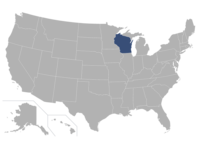
Madison, WI