Native Hawaiian Teens Learn To ‘Make Change’ For The Islands
Jun 29, 2026 | 6:01 am ET
Description
Photo courtesy of Honolulu Civil Beat
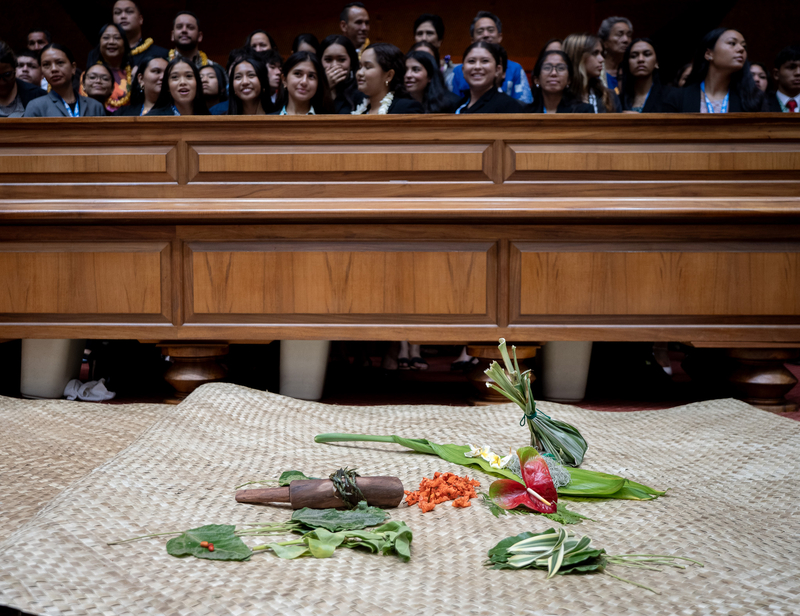
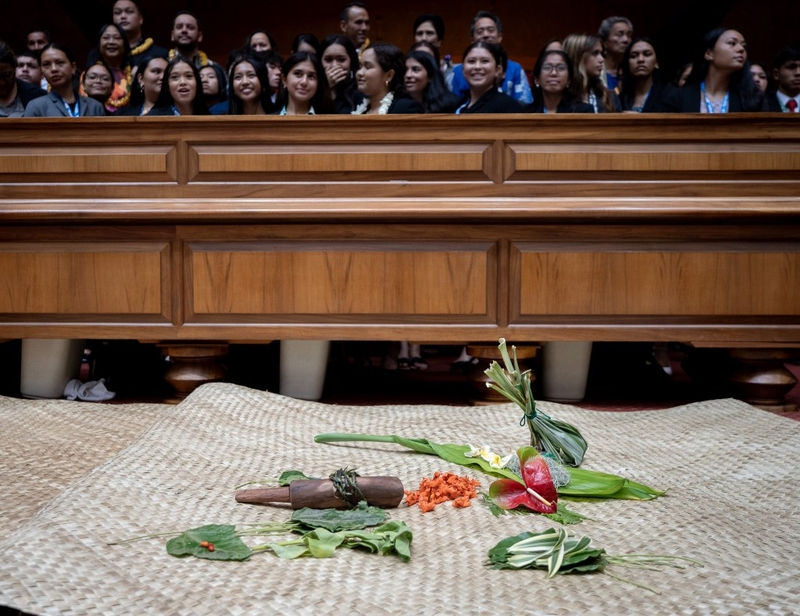
A heavy, authoritative thud echoed through the Hawai‘i House chamber as Speaker Rilynn Kawaikoʻolilihilihiokalikolehua Perez brought down the gavel. Student delegates settled into their seats, shuffling papers and readying for another round of debate: ʻAha ʻŌpio was back in session.
The big topic of the day was vaping, with a proposal on the floor to increase the tax on vaping products by 75% to discourage teen use. Before the bill could move forward, student Rep. Zoe Martinez introduced an amendment that turned the measure on its head: eliminate the tax entirely and lower the legal age to purchase vaping products from 21 to 18.
"If it's not something only adults can do,” she told fellow delegates, “it's not as cool."
For the next several minutes, delegates debated addiction, personal responsibility and government regulation — weighing competing visions of how lawmakers should respond to a problem affecting their generation. Another said the same rhetoric could be used to support lowering the drinking age, which, in their opinion, would not stop young people from drinking either.
The teens never found an easy answer, but it was exactly the kind of conversation the mock legislative event run by the Office of Hawaiian Affairs was designed to inspire. And they were confronting a central reality of politics: even when everyone agrees there is a problem, agreeing on a solution can be the most difficult part.
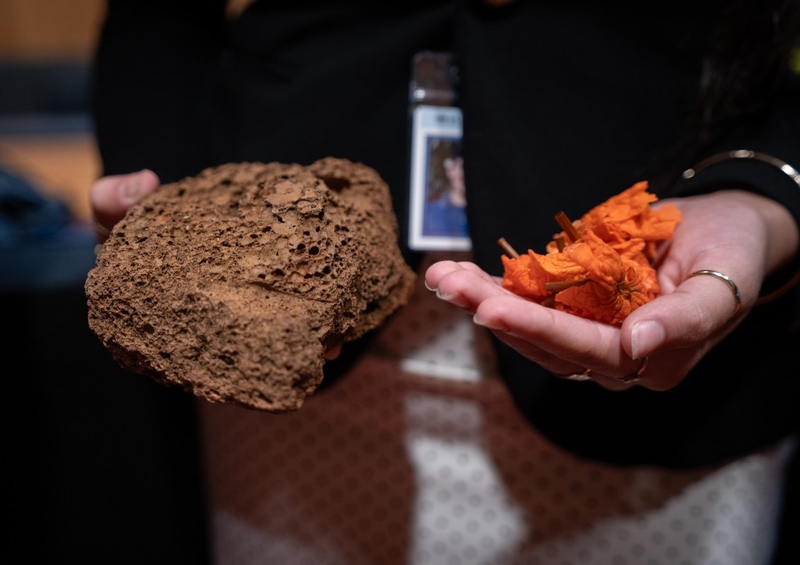
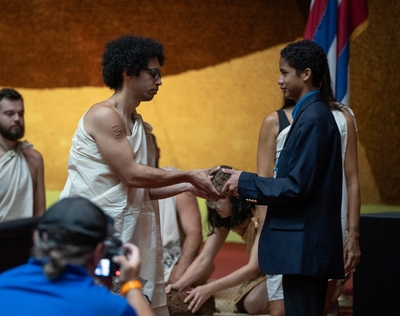
Last week, 38 Native Hawaiian high school students from different islands, states and backgrounds drafted bills, held committee hearings and learned the intricacies of parliamentary procedure. It was the first ʻAha ʻŌpio o OHA hosted by the organization in more than 20 years.
Of the 76 seats in the Hawai‘i State Legislature, only about 13 are held by Native Hawaiians, according to legislative data. For OHA, that statistic is part of what makes early civic education and exposure to government systems so critical — helping students understand not only how laws are made, but helping them see themselves within that process.
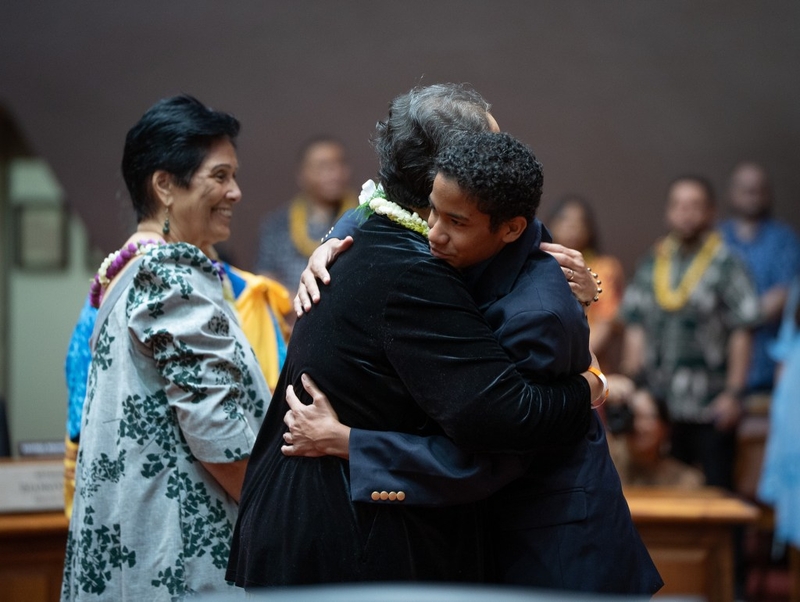
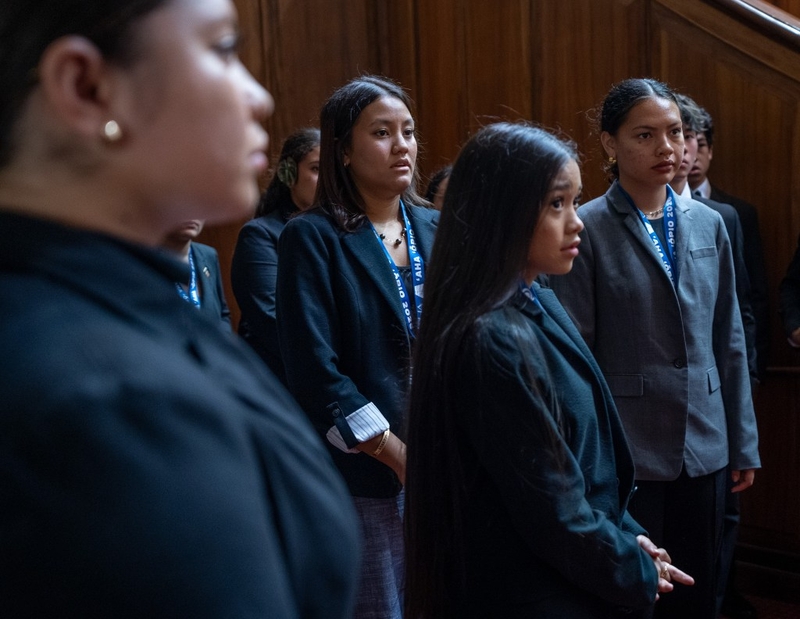
ʻAha ʻŌpio is designed to place Native Hawaiian youth directly inside the structures of government while grounding them in cultural values and connection.
“There’s critical importance in equipping our Native Hawaiian youth with the information that they need to advocate for our people, for our ʻāina,” said Kūleianuhea Awo-Chun, director of education and culture-based learning strategy and implementation at OHA.
She said the program is also built around pilina, or the relationships students form throughout the week.
“It’s creating a network of young leaders that are poised to work together and make change,” she said.
The program's impact can extend beyond the mock legislature trial. Awo-Chun said a proposal developed during a ʻAha ʻŌpio session decades ago helped inspire later efforts to establish tuition waivers for Native Hawaiian students at the University of Hawaiʻi.
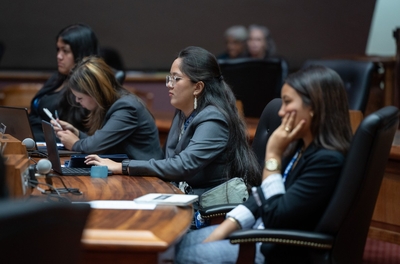
At the center of the chamber simulation were two student leaders tasked with guiding their peers through the week's debate.
Speaker Perez and Vice Speaker Wehena Hussey-Townsend were elected by fellow student delegates to manage floor proceedings, guide discussion, and enforce parliamentary procedure as bills moved through the mock legislature.
Perez, a senior at ʻIolani School, said stepping into the role of a legislator for the first time carried an unexpected emotional weight as she looked around the chamber for the first time.
“I was so overwhelmed with respect for the real legislators and what they have to do, and how big of a role they play in shaping Hawai‘i,” Perez said. “I was just hit with this realization that I am here and I am now learning to step into their boots and take on that giant privilege. I almost cried thinking about it.”

Samantha Kela’s favorite part of the experience was how deeply the group got to know each other.
"You get to know each other and their morals and what they think is right for their place,” she said. “We slept, ate, talked, and basically lived together this whole time.”
Perez echoed that sentiment, saying one of her biggest takeaways from the week was the importance of the relationships formed among delegates.
Even as the students joked with each other after the end of the event, the conversation returned again and again to a shared seriousness: how their generation is already directly impacted by the issues they were debating on the floor.
“We’re a bunch of teenagers and you wouldn’t think that we have all of these ideas about our ʻāina,” Kela said. “But we do, and we have to talk about it.”
A huge goal of the event is getting students to see the role Native Hawaiian youth should play in shaping Hawai‘i's future. Both delegates and organizers said programs like ʻAha ʻŌpio are important because they provide something many young people feel they lack: a direct pathway into civic engagement.
“I think that many of us as youth feel that our voices don’t matter in the government for whatever reason and that we can't make a change,” Perez said.
One of the most meaningful aspects of the program for Hussey-Townsend was watching Native Hawaiian students from other states reconnect with Hawaiʻi and participate in conversations about its future.
“I loved seeing the students from the continent and their eyes light up at every opportunity there was to help Hawaiʻi,” Hussey-Townsend said. “Native Hawaiian youth today need to understand that their voice matters here, no matter where you were born.”
Civil Beat's education reporting is supported by a grant from Chamberlin Family Philanthropy.
Honolulu, HI