Transgender, reproductive healthcare bill heads to final vote in NJ
Jun 08, 2026 | 4:47 pm ET
Description
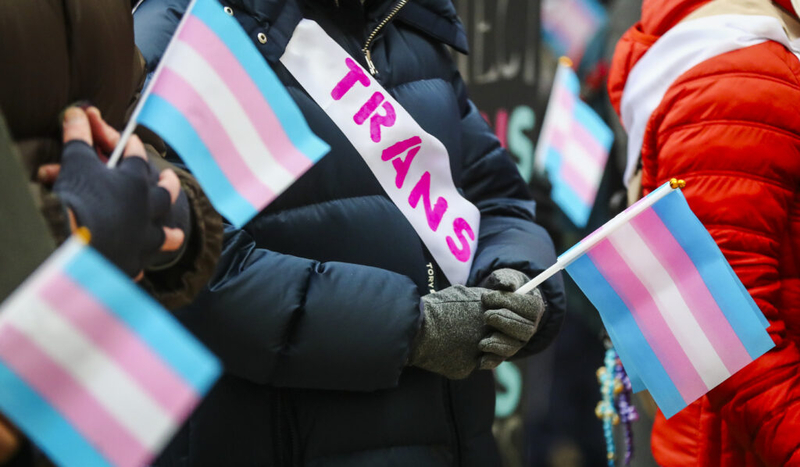
A bill to expand protections for transgender and reproductive healthcare providers and patients in New Jersey could face a final legislative vote Thursday. (Photo by Dana DiFilippo/New Jersey Monitor)
A bill designed to protect reproductive and transgender healthcare in New Jersey passed an Assembly panel Monday, clearing it for a final vote in the Legislature that could come later this week.
The Assembly Appropriations Committee voted along party lines to pass the Democratic proposal, which would create a new crime of interfering with reproductive and transgender healthcare services.
“This bill is needed to strengthen New Jersey’s existing shield protections and respond to the current reality of legal attacks on patients and providers,” testified Sarah Best, legislative and advocacy director for the Planned Parenthood Action Fund of New Jersey, the healthcare system’s political arm.
Best said the legislation is modeled on a federal statute designed to protect reproductive care access that is no longer being enforced under the Trump administration, making a state-level law more urgent. The legislation has long been a priority for LGBTQ+ organizations.
“Reproductive health and gender-affirming care providers are under unique scrutiny from extremist governments and activists,” Best said.
The bill was amended to align with a version that passed the Senate in late May, nearly two years after it was first introduced. A full vote in the Assembly — the last step before it could be signed into law by Gov. Mikie Sherrill — could come when members gather Thursday.
Republican lawmakers on Monday echoed concerns raised by opponents of the bill, who say it would interfere with constitutional free speech rights, further erode parental rights, and make New Jersey a “sanctuary state” for clinicians who specialize in services sought by transgender patients.
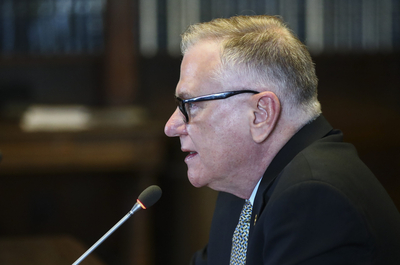
Gregory Quinlan, the founder and leader of the conservative advocacy organization Center for Garden State Families, said activists who oppose the use of those services and are anti-abortion could be arrested for praying outside facilities or engaging in what he called “sidewalk counseling” sessions.
“We could be 100 feet away and just praying” and still be found in violation, Quinlan said.
Marie Tasy, executive director of anti-abortion group New Jersey Right to Life, said language in the bill could make people afraid to speak out against abortion.
“The threat of prosecution is enough to silence lawful speech. And that happens to be exactly what this bill is designed to accomplish,” she said.
“This is the common thread that seems to run through everyone’s testimony,” Assemblyman Robert Auth (R-Bergen) said about the free speech concerns.
Lauren Albrecht, senior director of advocacy and organizing at Garden State Equality, an LGBTQ+ organization, noted that many parents had testified in previous hearings about the struggles they face trying to secure healthcare for their transgender children. Multiple parents described being told by doctors that medical care they said has saved their children’s lives would be suspended.
“The parents of trans kids have rights too,” Albrecht said.
Bill sponsor Assemblywoman Luanne Peterpaul (D-Monmouth) held back tears as she rebutted testimony from some opponents who had challenged the need for gender-affirming care entirely.
“Let’s talk reality. Let’s talk truth,” said Peterpaul, who is gay, adding, “My rights should not be dictated by someone who doesn’t understand who I am.”
The proposal builds on existing reproductive care shield laws and expands the definition of these services to include care for transgender patients through a 2017 law that requires insurance coverage for all forms of gender-affirming care, treatments that can include hormone therapy, mental health services, and surgery.
The bill would make it a fourth-degree crime to harass, harm, or block patients, healthcare providers, staff, or volunteers from entering a healthcare facility and would protect providers from extradition to states that have criminalized reproductive or transgender treatments. Violators could face as many as ten years in prison and a fine of $150,000 if someone is injured during the interference.
Trenton Councilwoman Jennifer Williams is the first transgender person elected to a municipal council in New Jersey. Williams told the panel that the bill would “protect the young, the adults like me, and our senior citizens who are transgender.”
“We deserve it and we are worth it,” Williams said.
An analysis by nonpartisan staff with the Office of Legislative Services found that if signed into law, the bill would have an “indeterminate” impact on state finances. The only clear cost identified was the expense of prosecuting and imprisoning offenders, calculated at just over $83,000 annually, per person.

Trenton, NJ