SC won’t put more restrictions on psychoactive herb this year, but effort will continue
May 07, 2026 | 8:31 pm ET
Description
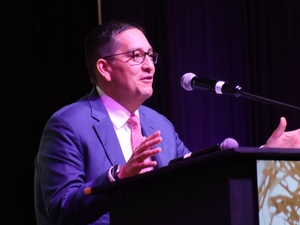
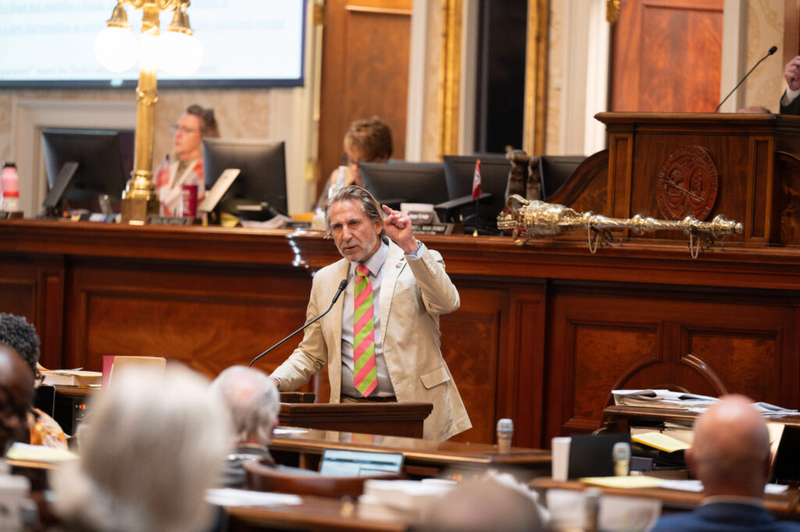
Rep. Case Brittain, R-Myrtle Beach, gives an impassioned speech from the lectern in House chambers in Columbia, S.C., on Wednesday, April 29, 2026, for legislation banning kratom. (Courtesy of the SC House photographer's office/Photo by Sam Holland)
COLUMBIA — A bill banning the use of a drug some state representatives called “gas station heroin” during an impassioned debate stalled in the Senate on Thursday, ending its chances of becoming law this year.
But senators said to expect the issue to come up again next year. Just three days remain in the 2026 regular session.
A law passed last year barred stores from selling kratom to anyone under 21. The law also required clear labeling of products with kratom, which can act as either a stimulant or a sedative depending on the dosage.
But legislators in the House said that didn’t go far enough to keep people from buying a drug that, in its most potent forms, can cause addiction, liver toxicity and death.
The bill is one of several legislators proposed this session regulating intoxicating products rising in popularity with little regulation. Another bill that would ban certain forms of nitrous oxide, also known as “whippets,” is awaiting a vote from the full House.
A soon-to-be law regulates SC sales of a psychoactive herb. No, it’s not marijuana.
Senators agreed legislators should do something to further restrict access to kratom, a widely available substance with two psychoactive compounds. But they took no vote on the bill Thursday, saying they needed more information on a complex issue, which they wouldn’t have time for in the final week of the legislative session.
“We all know it’s addictive,” said Senate Medical Affairs Chairman Danny Verdin, R-Laurens. “I want to know if it’s debilitating. I want to know if it’s killing people.”
The biggest question centers around the differences between the natural and synthetic versions of kratom.
The drug originally comes from the leaves of a tree found in southeast Asia, which, when chewed or steeped into tea, can give the user a burst of energy, similar to caffeine. As the market grew in the United States, companies began to create synthetic forms of the drug that were much more potent and more likely to cause harmful side effects, researchers and doctors told senators this week.
The law passed last year banned those laboratory-formed versions of kratom. But a manufacturer could still enhance the natural form of the product and sell that in gas stations and other stores, said Todd Hughey, who oversees the State Law Enforcement Division’s laboratory.
SLED’s lab can’t tell the difference between what’s natural and what’s manmade, Hughey said, adding that he didn’t know exactly how enforcement worked under the law.
The bill, which passed the House last week in a vote of 87-7, would remove all products containing harmful substances, whether natural or not, from the market and ban versions of the plant containing any lab-created chemical, not just products made completely in a lab.
Instead of restricting what people could buy, that would remove the drug from shelves completely, opponents of the bill argued. Even when picked straight from the tree, kratom leaves contain trace forms of the chemicals the bill would prohibit, several doctors and proponents of the low-potency version of the drug told senators.
But others argued not changing the law would continue allowing people to easily access a harmful substance.
How many people in South Carolina have died from using kratom is unclear, since most deaths involving kratom include other harmful drugs, including fentanyl, several experts and legislators said. The Food and Drug Administration warns against using kratom, and the Drug Enforcement Administration considers it a drug of concern.

‘Tired of people being addicted’
A single fatality is too many, supporters of the bill said.
And nothing limits the potency of the drug, meaning gas stations can sell extremely strong kratom products to anyone over the age of 21, said Rep. Greg Ford, who referred to it as “gas station heroin.”
“You don’t buy morphine at your gas station down your road, but yet we’re letting this stuff right here be sold,” said the Summerville Republican and former hemp farmer.
Rep. Case Brittain understands how difficult addiction can be, he said. At one point in his life, Brittain drank every day, starting at 11 a.m., when “The Price is Right” came on TV, he told the House, without offering more specifics.
“I was told, you can see your grandchildren, or you can make it to 75,” the Myrtle Beach Republican said of his drinking. “I made the cognitive decision not to drink anymore. I didn’t take any kratom, I didn’t take anything else, I didn’t take any medicine, any pills. I quit it. I quit.”
People shouldn’t use one drug in place of another, including swapping opioids for kratom, Brittain said, shouting to make his point.
“I am very sympathetic to those that have gotten addicted to this product, but I’m going to tell you this: I’m tired of people being addicted to it,” Brittain said. “And there’s one way to make sure we don’t do that anymore: We get rid of it. We ban it. All of it.
“There ain’t nothing good about it,” Brittain added.
‘Fanning the flames’
That’s not true, replied House Minority Leader Todd Rutherford, who voted against the bill.
Kratom can be a lifeline for people with medical conditions that cause consistent pain, the Columbia Democrat said. People might opt for the over-the-counter drug, which comes in capsules, powder and juice forms, instead of highly addictive opioids.
“If you are in chronic pain, what you will do to fix that pain is just about anything,” Rutherford said.
Rutherford pointed to a lack of data on the drug, which has grown in popularity in recent years. He questioned whether it was better to keep medications that have research proving how they’ve harmed people, including opioids, on the market while restricting access to kratom.
“We are fanning the flames and creating a boogeyman so we can tell people we saved them from the boogeyman,” Rutherford said.
Researchers who opposed the bill agreed. Side effects are rare, Kirsten Smith, a Tennessee-based researcher who has spent the past decade studying kratom for Johns Hopkins University, told senators Wednesday.
People who want kratom will get access to it one way or another, so banning it would likely create a black market that would make the drug much harder to track and regulate, Smith said. She likened the drug to Tylenol instead of heroin, saying it was fine in small doses but still toxic in large quantities.
“I do think there’s enough benefit with these products that to remove them from commerce could be inadvertently very bad,” Smith said.
More information
Senators on the 17-member Medical Affairs Committee agreed the topic was far too complicated to tackle in their final week of the year.
Legislators are hearing divisive and passionate opinions from both sides, said Sen. Jeff Zell. The Sumter Republican has gotten emails telling him passing the bill would kill kratom users who rely on less potent versions of the substance to keep them from getting hooked on worse drugs, he said.
“I’m not interested in rushing these House bills through so they can get credit on Facebook,” Zell said, referencing representatives’ reelection campaigns this year. “But I am interested in making sure that we’re compassionate.”
Banning the drug and taking it away from people who use the low-concentration version out of necessity doesn’t sound like a good idea, senators said. But leaving it on the shelves without further regulation doesn’t seem like a good option, either, they said.
Another year will give legislators more time to see how the law they passed last year works and better understand the differences between the natural and synthetic versions of kratom, several on the committee said. They expect to come back next year with a different version of the bill.
“It still warrants further consideration,” Verdin said. “And we are all committing ourselves to give it.”
Columbia