We need transparency about data centers to weigh their economic and environmental impacts
Jan 06, 2026 | 6:11 pm ET
Description
(Getty Images)
Would you be surprised to learn that using ChatGPT, artificial intelligence photo editing, or even asking your Alexa/Siri a question contributes to significant water and electricity consumption?
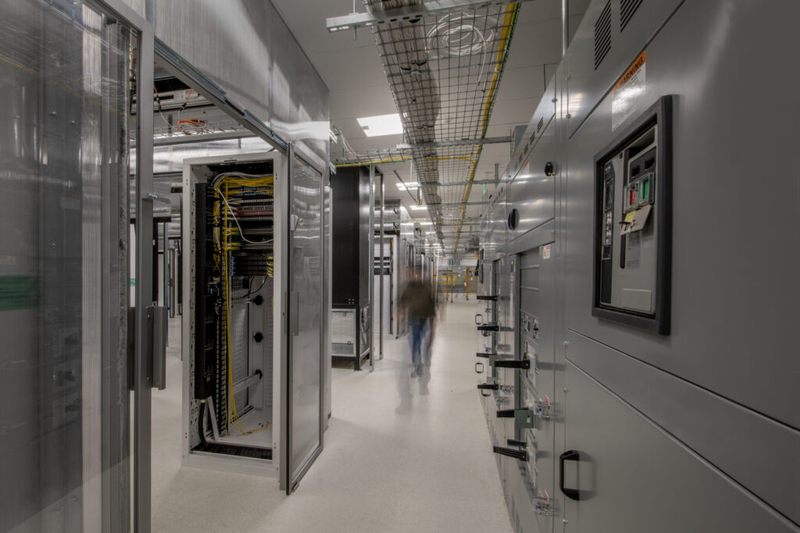
While it may seem like this information is simply lost in the ether, it is actually stored in data centers, which have been popping up across the United States. And we are now starting to see them in our own backyards. Data centers are being proposed in places such as Sioux Falls, Toronto (Deuel County), and even at the gate of the sacred Black Hills, in Rapid City’s new industrial complex.
AI developers state that they are targeting colder climate areas to reduce the amount of energy needed to operate these data centers. Addressing the energy needs, employment promises and overall environmental impact of data centers will allow South Dakotans to decide whether we really want this infrastructure to be developed in our state. We live here, and our voices matter.
Politicians and data center developers are downplaying the massive energy requirements that the proposed data centers will demand. Approximately 400 megawatts of power from our electric grids could be needed for one data center, consuming half of the energy that South Dakota has spent over 75 years sizing up to sustain the expanding population and economic growth we are seeing today.
Congressman speaks in support of data centers in SD, calling anti-development rhetoric ‘un-American’
These massive data centers are filled with computers to store AI and cryptocurrency data, and computers generate a lot of heat. To avoid overheating and ensure proper functioning, large amounts of water are needed to cool the systems down. Some data center developers claim that water usage for the proposed data centers here will be no more than that of the average U.S. household. However, our cold season does come to an end, and as temperatures continue to rise and display record summer highs year after year, these claims will become less valid. There is already a strain on our water resources here in South Dakota, so potential water shortages could result if the issue is aggravated.
Furthermore, claims that the demand on our energy grid will not increase our already rising energy bills are sugarcoated at best. Americans have seen about a 13% national increase in electricity prices since the beginning of 2025, and this trend is expected to continue.
Transparency is a must when it comes to grandiose promises, such as the statements that data centers will create substantial job growth for South Dakotans. While the construction of these large buildings will bring temporary employment, once construction ends, so will most of these jobs. Also, the construction of a data center requires highly skilled workers. We can’t be sure that out-of-state companies won’t be brought in for the construction.
On average, an operating data center needs between 30 and 100 full-time employees. There is currently no data to show how the hundreds of jobs promised compare to the jobs that are actually created, or what kind of jobs those even are.
Data centers also bring a slew of environmental problems in their wake. As stated previously, they will consume a large amount of water. We’re talking hundreds of thousands to millions of gallons of water per day for an evaporative-cooled system in the data center. On the low end, this water usage is equivalent to the needs of a city the size of Pierre. On the high end of consumption, it would be more comparable to the water needs of Sioux Falls. There is technology that operates on a closed-loop system where the water is cooled and recycled. However, this could increase the electricity demand by more than 20% and further burden our fragile energy grid, contributing to ratepayers’ increased energy costs.
The message is clear — communities need to have transparency around proposed data centers so they can weigh the economic and environmental impacts in order to protect hardworking South Dakotans and our beautiful lands. These impacts must be weighed against proposals to bestow tax rebates on the billion-dollar companies building these data centers (Google, Meta, Amazon).
More factual information regarding the jobs promised, the electrical and water usage, and environmental risks needs to be brought forward and discussed before any construction begins. Finding ways to mitigate the environmental and economic effects that are correlated with data centers should be a top priority for South Dakotans as we take a stand to protect our communities.

Pierre, SD